European Parliament switches default search engine from Google to Qwant
The European Parliament will switch to French search engine Qwant from Google, it said on Wednesday, underscoring Europe's push to reduce its reliance on US technology in favour of local alternatives.


 Follow us
The European Parliament will switch to French search engine Qwant from Google, it said on Wednesday, underscoring Europe's push to reduce its reliance on US technology in favour of local alternatives.
- European Parliament drops Google as default search engine, switching to French rival Qwant from June 4.
- Move supports Europe’s digital sovereignty push, aiming to reduce reliance on US technology providers.
- Qwant becomes default on Edge and Firefox, though users can still choose other search engines.
- Privacy is a key factor, with Qwant promoting tracker-free search and no third-party cookies.
Key Takeaways by nexos.ai, reviewed by Cybernews staff.
"From 4 June 2026, Qwant will become the default search engine on the European Parliament's Microsoft Edge and Mozilla Firefox browsers," a Parliament spokesperson said in an email.
The change will be applied automatically, though users will still be able to select alternative search engines.












"It is part of a larger framework of actions aimed at reducing EP reliance on non-EU digital tools and promoting European-based, privacy-focused services," the spokesperson said.
The Parliament has 720 lawmakers, along with thousands of assistants and administrative staff. Euractiv first reported the switch.
The replacement of Google Search with a European alternative is not the first such move in recent months by European countries or regions.
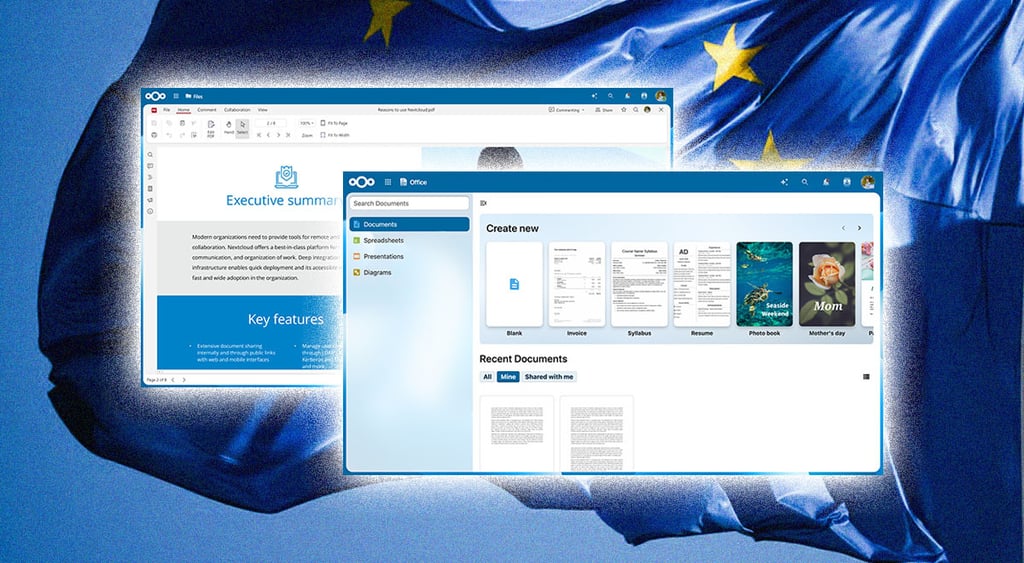
Euro-Office, marketed as a European alternative to Microsoft Office and Google Docs, will be released to the public on June 9th, promising greater independence from American technology.
The administration of Germany’s largest state, Bavaria, has also officially announced the cancellation of a planned framework agreement with the American tech giant Microsoft, which was intended to roll out its productivity suite across the state administration.
Is Qwant better than Google Search?
Qwant was created in 2011 and is hosted in Europe. It’s a free tool and does not use third-party cookies, trackers, or behavioral targeting.
Another way it differs from Google Search is that its main source of revenue comes from ads displayed on results pages. Unlike Google Search, where ads appear above the top search results, Qwant’s ads are shown on the side and are clearly marked.
Curious what others think about this story? Contribute your thoughts to the debate below.
Cybernews has previously tested Qwant to see if it stands up to Google Search. Our journalist wrote that using Qwant felt like “browsing Google Search back in the day,” partially because AI-generated responses aren't shown by default, and the engine is less cluttered with ads.
“For me, the major disadvantage of Qwant is the lack of a Google-like knowledge panel that shows a restaurant’s or other enterprises’ working hours, reviews, and contact information, without clicking on links,” wrote Cybernews’ Senior Journalist Eglė Krištopaitytė.
Her verdict at the time was that Qwant is a great privacy-focused search engine, but lacks some features to fully replace Google Search.
EU moves on Cloud, AI and Chips Acts to tighten tech control
In addition, the European Commission proposed new laws to boost domestic cloud, AI and semiconductor industries – another move to cut reliance on US big tech.
The Cloud and AI Development Act and Chips Act 2.0 form part of Europe's push for technological sovereignty and its efforts to close the gap with US and Chinese rivals. The Commission wants to double the EU's global market share of semiconductors to 20% by 2030.
"We cannot afford to depend on others for the technologies that keep our hospitals running, our energy grids stable and our services secure," Commission President Ursula von der Leyen said in a statement.

EU tech chief Henna Virkkunen warned of the risk of potential 'kill switches' that could disable or disrupt services.
"We want to be sure that in the critical fields we are always able to control the services and control the data in Europe," she told reporters.

The proposal sets out sovereignty requirements for cloud providers in sensitive sectors such as banking, energy and healthcare, driven in part by concerns over US laws such as the Cloud Act which requires US-based providers to grant authorities access to data even if it is stored abroad.
Unlock more exclusive Cybernews content on YouTube.