Google now requires Android developers to verify their identity or lose sideloading
As of Tuesday, Google has started to roll out Android developer verification to all developers in both the new Android Developer Console and Play Console.
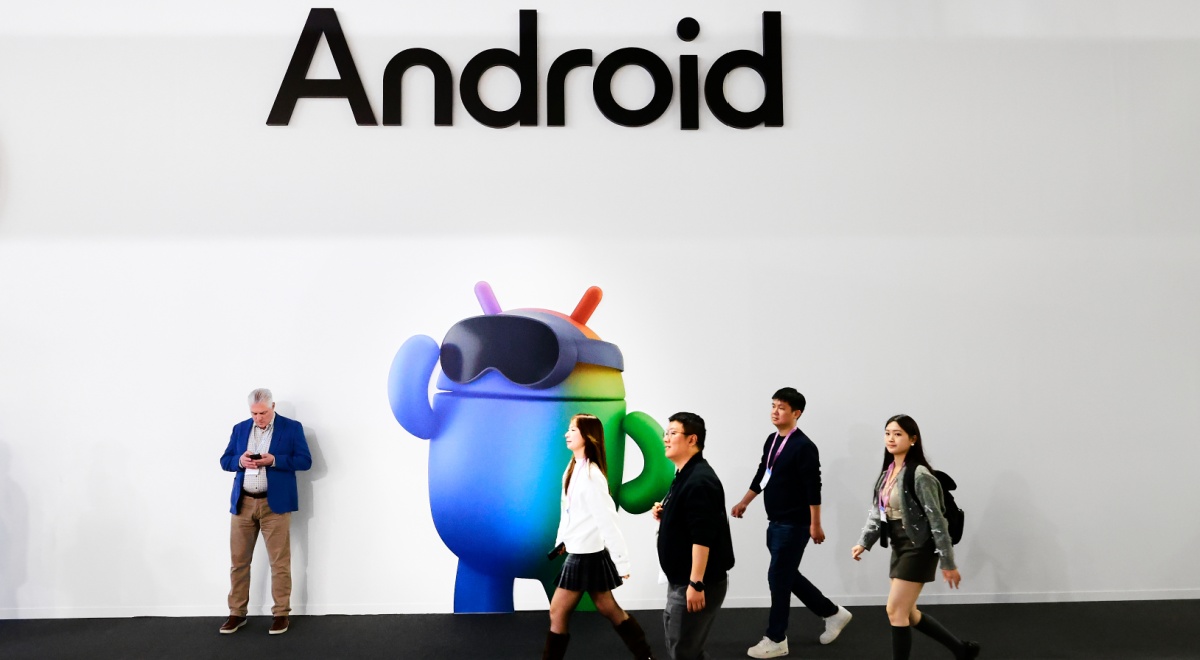
People walk past a display featuring the Android ''The Bot'' mascot. Joan Cros/NurPhoto/Getty.

 Follow us
As of Tuesday, Google has started to roll out Android developer verification to all developers in both the new Android Developer Console and Play Console.
In August 2025, Google announced its plan to restrict sideloading on Android devices. According to the tech company, the measure is intended to prevent malicious parties from distributing malware-infested apps.
“Our recent analysis found over 90 times more malware from sideloaded sources than on Google Play. So as an extra layer of security, we are rolling out Android developer verification to help prevent malicious actors from hiding behind anonymity to repeatedly spread harm,” Matthew Forsythe, Google’s Director of Product Management and Android App Safety, says in a recently published blog post.
By September 2026, all developers must be registered to enable sideloading. Developers who only distribute apps outside the Play Store have to create an account in the Android Developer Console. Developers who offer their apps via Google’s Play Store have to check their Play Console account.






While Google is rolling out its verification tools, the user experience for downloading apps, including sideloading, won’t change until later this year. The user-side protections will first go live in Brazil, Indonesia, Singapore, and Thailand this September and will expand globally in 2027.
Users who want to download apps from unverified developers will have to enable advanced flow.
The conversation on this topic is live. Join in the discussion.
To do this, users must enable Developer Mode by tapping the software build number in the “About phone” settings menu 7 times. Then they have to dive into Settings > System > Developer Options, and scroll down to “Allow Unverified Packages.”
Next, they have to enter their PIN or password, restart their device, and wait 24 hours. Lastly, users must return to the “Allow Unverified Packages” menu and enable sideloading.






Google’s Android developer verification process has sparked significant controversy. F-Droid’s board member Marc Prud’hommeaux argued that if Google pushes its obligatory developer registration proposal, this will mean the end of the F-Droid project and other free and open-source distribution sources.
“F-Droid’s myriad users will be left adrift, with no means to install, or even update their existing installed applications,” he said, adding that developer registration is by no means a guarantee for user safety.
A website called Keep Android Open has also publicly voiced its concerns about Google’s developer verification process and is asking consumers to contact their national regulators to complain about Google’s monopoly and centralization of power.
Unlock more exclusive Cybernews content on YouTube.