Google seeks EPA approval to release over 64 million mosquitoes in the US
Google has applied for an experimental use permit (EUP) with the US Environmental Protection Agency (EPA), allowing the tech company to release tens of millions of laboratory-bred mosquitoes in California and Florida.
Mosquito face with Google logos on eyes. Image by Cybernews.

 Follow us
Google has applied for an experimental use permit (EUP) with the US Environmental Protection Agency (EPA), allowing the tech company to release tens of millions of laboratory-bred mosquitoes in California and Florida.
- Google seeks approval to release 64M+ mosquitoes in California and Florida as part of a large-scale disease-control experiment.
- Lab-bred male mosquitoes carry Wolbachia bacteria, which prevents successful breeding and aims to reduce disease-spreading mosquito populations.
- EPA opens public consultation, calling the proposal potentially significant at regional and national levels, with comments due by June 5, 2026.
- Google cites success in Singapore, where similar releases reportedly cut mosquito populations by up to 90% and reduced dengue cases by more than 70%.
Key Takeaways by nexos.ai, reviewed by Cybernews staff.
Why does Google want to release an army of male mosquitoes into the world? In a nutshell, the company is trying to think of a way to prevent a future health crisis.
According to Google’s Debug program, mosquitoes are the deadliest animals on the planet. They carry and spread diseases like dengue, Zika, yellow fever, and chikungunya, diseases that make hundreds of millions of people sick every year. And these diseases are spreading faster than ever, Google claims.
“Most of these diseases don’t have effective vaccines or treatments. Attacking mosquitoes with pesticides is unsustainable because they’re becoming less effective over time and can be toxic. Clearing standing water is not enough because people can never find all the places that mosquitoes breed. We need a new approach,” the Mountain View-based company states on its Debug website.






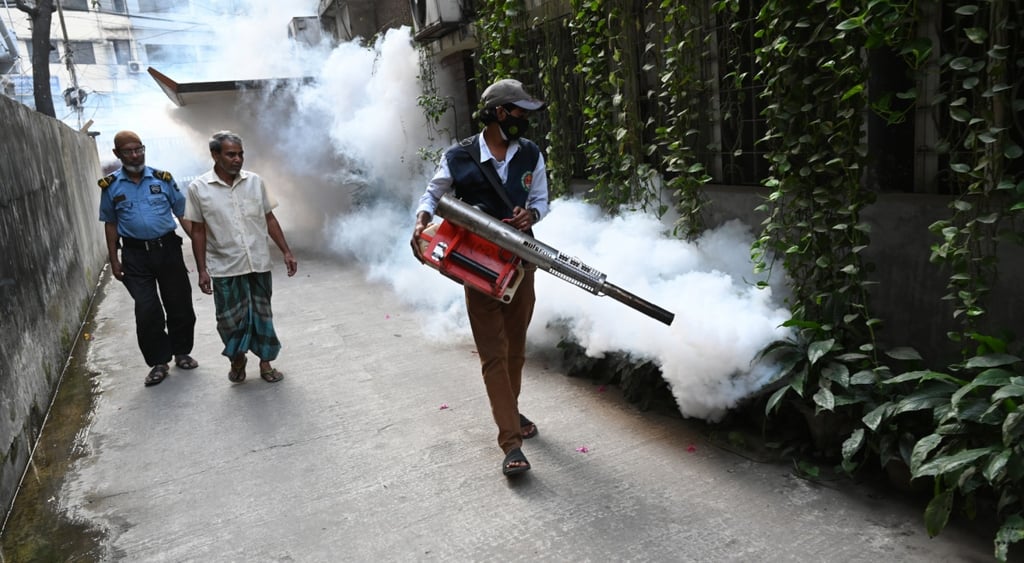
Or as Google puts it: it’s trying to stop “bad mosquitoes” by releasing “good mosquitoes.” The latter carry a naturally occurring bacterium called Wolbachia, which makes them unable to breed, thus displacing the “bad mosquitoes” with good ones in the long run.
In an online notice published by the EPA, Google is looking for authorization to release 32 million mosquitoes – the Culex quinquefasciatus species to be precise – in California and Florida over a two-year period, potentially totaling more than 64 million mosquitoes being released.
The goal is to collect data to see whether a mob of sterile male mosquitoes could lead to a future where pesticides are no longer needed to fight off disease-spreading mosquitoes.
According to the EPA, Google’s plan could be of regional and national significance. However, before issuing a permit, the agency wants to know how the public feels about Google’s plan to release tens of millions of mosquitoes.






Comments have to be submitted before June 5th, 2026.
Google has had some success with its Debug program in Singapore. According to the country’s national environment agency, Singapore has achieved 80% to 90% suppression of the Aedes aegypti mosquito population and more than 70% reduction in dengue incidents after 6 to 12 months of releases. Therefore, Google is expanding its experiment in Singapore.
“When we first launched Debug in Singapore, our goal was to advance mosquito production and releases through technology and bring Debug to more communities in Asia, where 70% of the global dengue burden occurs. Our success in Singapore gives us the confidence to expand,” Linus Upson, Head of Google’s Debug initiative, said in a statement.
Unlock more exclusive Cybernews content on YouTube.