Apple already made iPhone repairs a nightmare. Will iPhone 17 be even worse?
Over the history of the 18 years of iPhones, Apple has made it so difficult to repair them that repair shops have stopped providing some services, as it has become too risky and time-consuming. Experts believe the new iPhone 17 series will not be any better, if not worse.
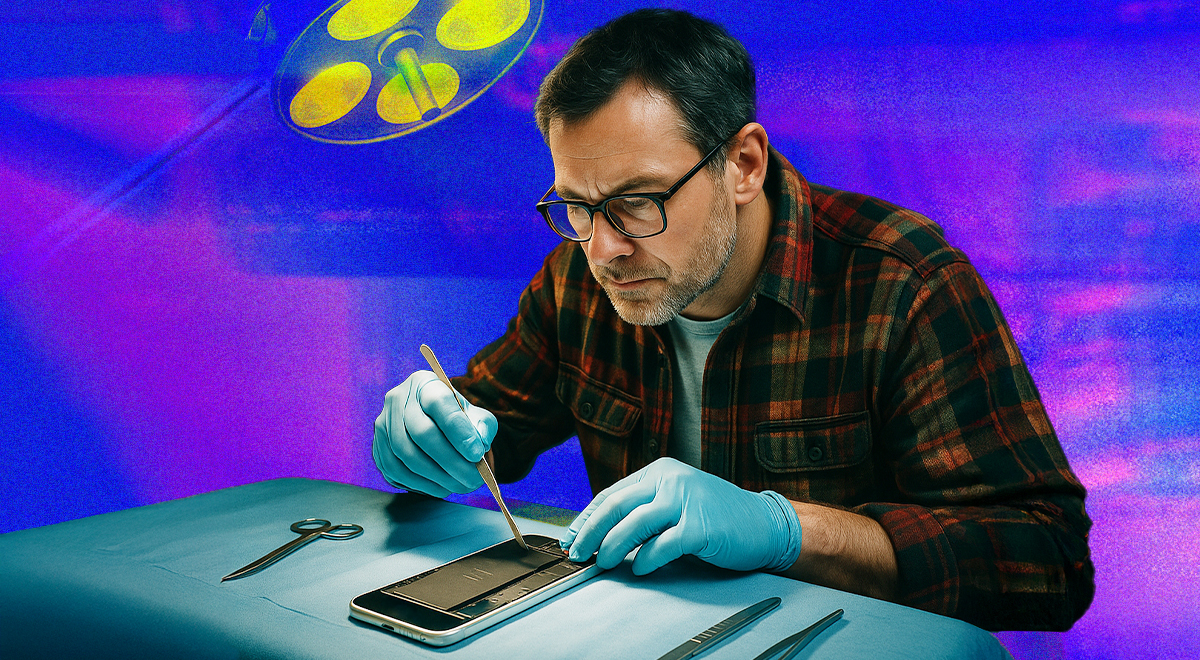
Image by Cybernews.

 Follow us
Over the history of the 18 years of iPhones, Apple has made it so difficult to repair them that repair shops have stopped providing some services, as it has become too risky and time-consuming. Experts believe the new iPhone 17 series will not be any better, if not worse.
- Repairing iPhones is getting harder and harder. Multi-layer motherboards, strong adhesives, and dozens of screws make fixing iPhones highly complex, risky, and expensive.
- Many repair shops avoid board-level fixes and instead prioritise repairing screens or batteries.
- Even genuine Apple component (such as cameras) can not easily be swapped between phones. This comes in the way of a straightforward fix.
Apple is about to introduce the new iPhone 17 series, and chances are that the biggest tech enthusiasts have already saved the date for the company’s Awe-Dropping event on September 9th. That’s when Apple will unveil tech, design, security, and AI secrets that people have been speculating about for months.
Will the iPhone 17 really be the thinnest ever made? How much will the new iPhone cost? So far, there are more questions than answers; however, some are clear as day.
Even without any update being confirmed in stone by Apple itself, 68,3% of iPhone owners in the US plan to upgrade to iPhone 17 at launch. The Pro and Pro Max models are likely to account for 38,1% planned upgraders, 16,7% say they will choose the standard model, and 13,5% the ultra-thin Air, a survey shows.







However, experts say that these phones will likely never reach repair shops when they break. As Apple tends to make repair jobs more difficult with each new release, the iPhone 17 series is not likely to be an exception.
The multi-layered sandwich motherboards, parts pairing only with a specific iPhone instead of the whole model series, and even a huge variation in screws are among those predicted to cause the most trouble when repairing iPhones.
Does fixing an iPhone make financial sense, and how soon will the iPhone 17 reach repair shops? Cybernews explains.
Some iPhone repair rates have fallen too low for shops to fix them, thanks to Apple making it too difficult
“The Big Phone Store” is a UK-based retailer specializing in refurbished smartphones and tech. Its head, Steven Athwal, has been in this business for over 30 years now, and since the release of the first iPhone, claims to have seen how repairing these Apple flagship phones has become increasingly more difficult.
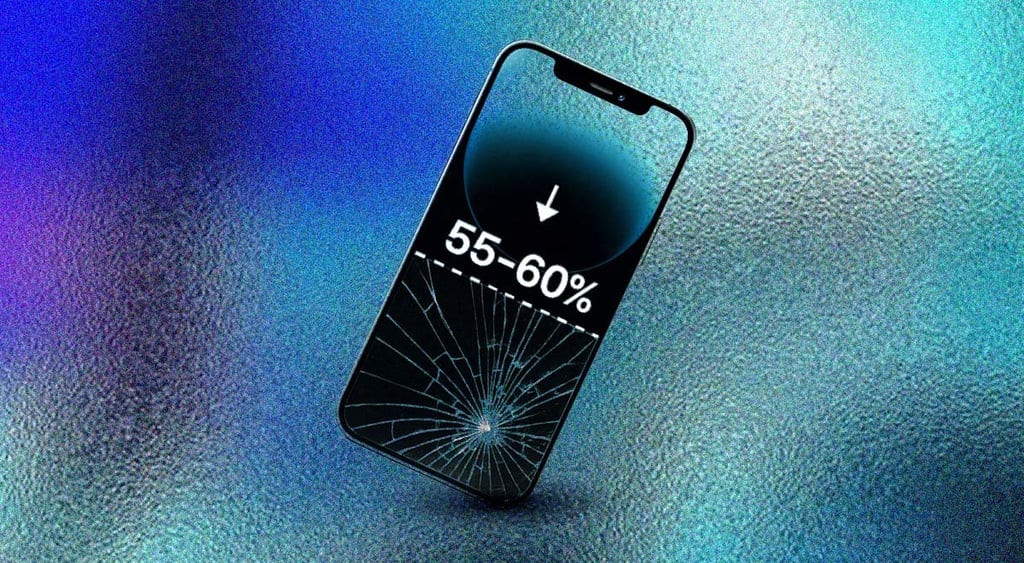
Athwal’s repair shop has even stopped offering certain services because the fix rate has become too low on newer iPhones. In the past, his team could replace components such as the baseband chip with an 85% success rate, but with the new “sandwich boards,” success now drops to just 55–60%.
“In the last few generations of iPhone, what they've started doing is they've made that motherboard multi-layered… that made it very, very difficult… and it reduces the success rate of repair because there's more things that can go wrong,” he recalls.
Athwal adds that such a repair can take over 11 hours, thus making it impractical when the repair shop works only eight hours per day and has committed to fixing thousands of other gadgets.
Because of this, Athwal’s shop has decided not to attempt some board-level repairs anymore and instead focus on more common issues such as repairing screens or batteries, which account for “85 to 90%” of their work.
Screen and battery replacements now dominate repair orders. According to Apple Pie Repair, cracked screens and failing batteries are the two most common issues iPhone owners face.
Married iPhone parts: Repairers hit a wall
The pairing of iPhone components has become one of the biggest headaches for repair shops. One of the simplest ways to replace, for instance, a phone’s (not necessarily an iPhone’s) camera would be to take the same camera from the same model and use it as a donor.
With iPhones, it’s not as easy — even when using genuine Apple parts, swapping them between devices is not as simple as it used to be.

“Before the iPhone 4, if a speaker or camera went bad, you could just take the same part from another phone and it would work,” says Steven Athwal. “Now, with newer devices, the components are married to the phone they were first installed in. Move that camera to another iPhone 15, and you’ll get error messages immediately,” Athwal explains.
This design makes even minor repairs a technical tightrope. Shops like Athwal’s now have to weigh whether attempting a fix is worth the risk of a failed repair and a frustrated customer.
“It’s frustrating,” he exhales.
“Sometimes a repair is technically possible, but practically impossible because of these restrictions. It forces some phones straight to recycling instead of giving them a second life.”




Screws
A similar repair deal breaker to spare parts is the screws that hold the iPhone together.
“When we started repairing iPhones around the 3G and 4, it was simple,” Athwal recalls. “A couple of screws, minimal adhesive, and you could access the motherboard without too much fuss. That simplicity is long gone.”
Now, technicians have to pick from a sea of screws that differ in length, work around adhesives that hold the phone together and are becoming stronger with each new iPhone series, and fragile multi-layered boards.
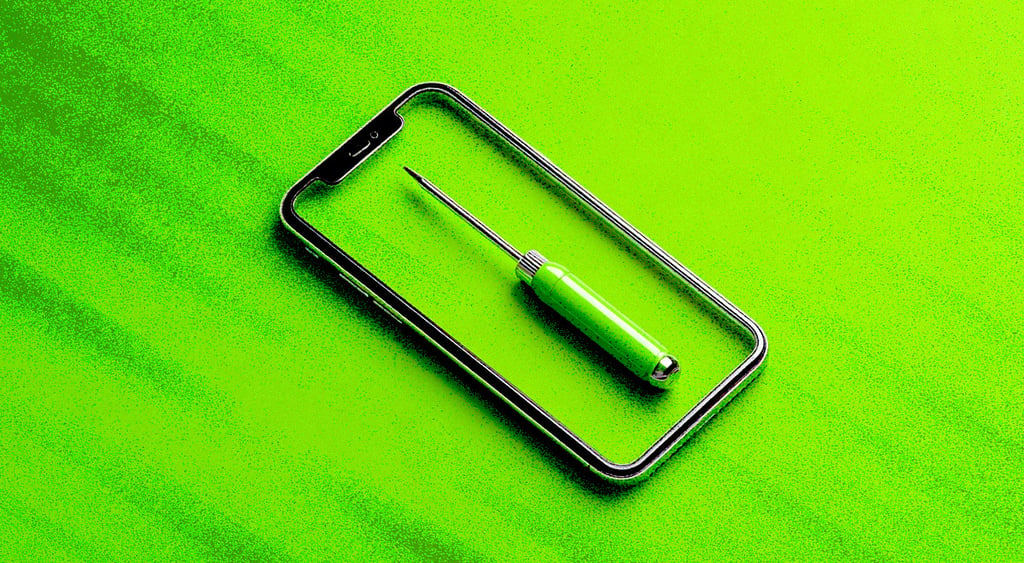
One wrong turn can ruin the whole device.
“Even removing the screen without cracking the motherboard has become an art form,” Athwal adds. “With the iPhone 17, we’re expecting this complexity to increase yet again. It’s like the screws themselves are part of Apple’s secret defense against repairs.”
Despite the challenges, repair shops persist, focusing on the fixes that are still feasible (screens, batteries, and simpler replacements) while the truly intricate repairs become rarer, more time-consuming, and increasingly unprofitable.
Fixing iPhones makes less financial sense
Apple’s design choices, from sandwich motherboards to glued-down batteries, have made repairs so complex and expensive that it seems that both repairmen and consumers are raising the same question: Is the iPhone worth fixing?
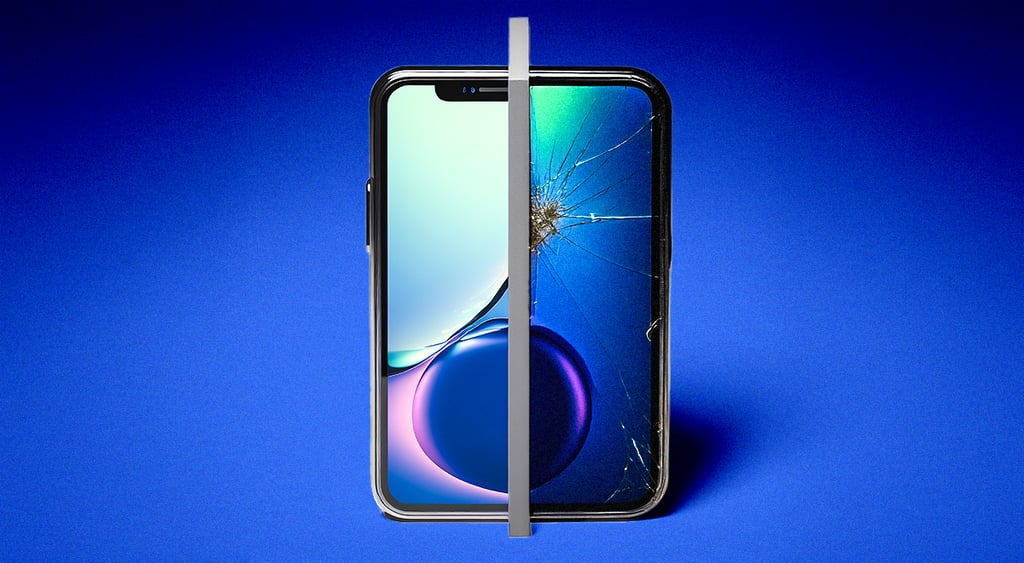
It could be, if, according to Athwal, national governments showed initiative through legislation. He presents the Right to Repair movement as a good example.
“The manufacturers should be designing their phones in a way where it's easy to be repaired. But they're not doing that. They're making it very difficult for the consumer. So it's like hold on. Do you want the consumer to repair? And again, then the other thing that as part of the Right to Repair movement is they need to continue to support software updates within the devices”, he explains the ethos of the movement.
Instead, customers are nudged toward recycling or outright replacing their devices.