Can Microsoft protect limited edition Xbox buyers from scalpers?
As a person who never camped out at the Apple store waiting for the latest iPhone or sat in front of a screen showing me as 3,252,355 in line to buy tickets to a Taylor Swift concert, I was never really concerned about scalpers. However, those who do are worried.
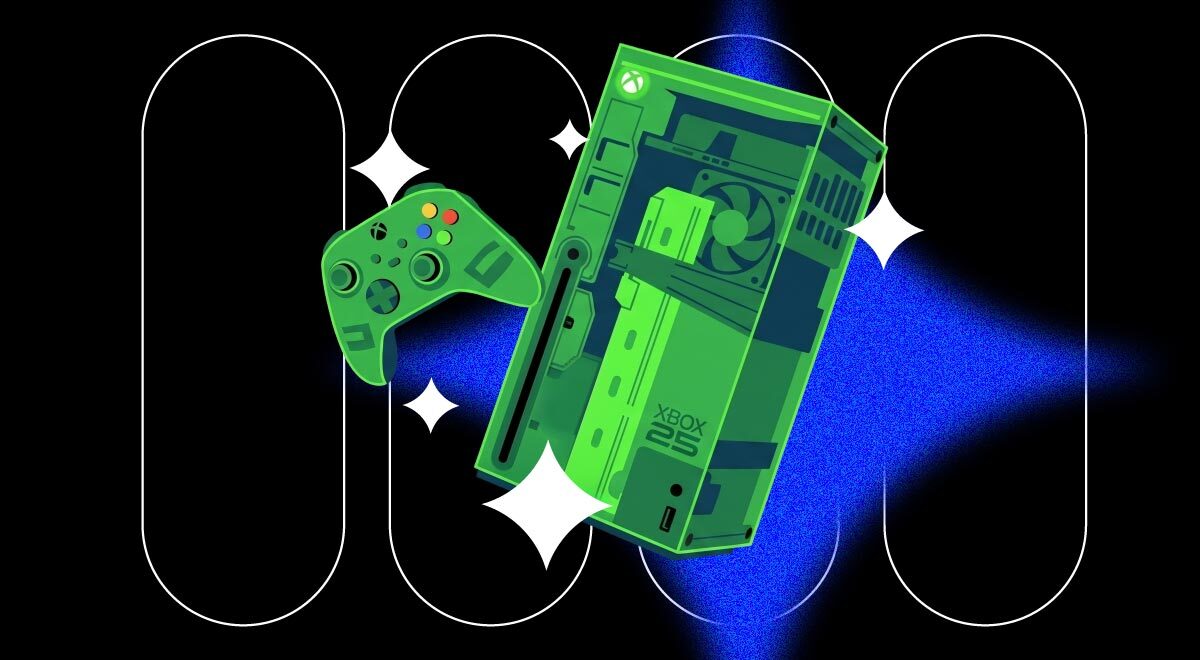
Image by Cybernews

 Follow us
As a person who never camped out at the Apple store waiting for the latest iPhone or sat in front of a screen showing me as 3,252,355 in line to buy tickets to a Taylor Swift concert, I was never really concerned about scalpers. However, those who do are worried.
- With the upcoming release of the limited-edition Xbox Series X25, some users want to know how the company will combat scalpers.
- Scalping is a practice in which people buy high-demand products or services in bulk and later resell them for a higher price.
- Scalpers online use bots to buy goods, such as concert tickets. It’s becoming harder to spot them because of AI techniques that mimic real people.
Microsoft recently announced that it will release the Xbox Series X25 limited-edition gaming console in November of this year.
The console will be released to mark its 25th anniversary, and while many can’t wait for the launch of the new device, some consumers are worried they won’t be able to purchase it because of scalpers.
Scalping is a practice in which people buy high-demand products or services, such as gaming consoles, sneakers, collectibles, or concert tickets, in bulk and later resell them for a higher price.






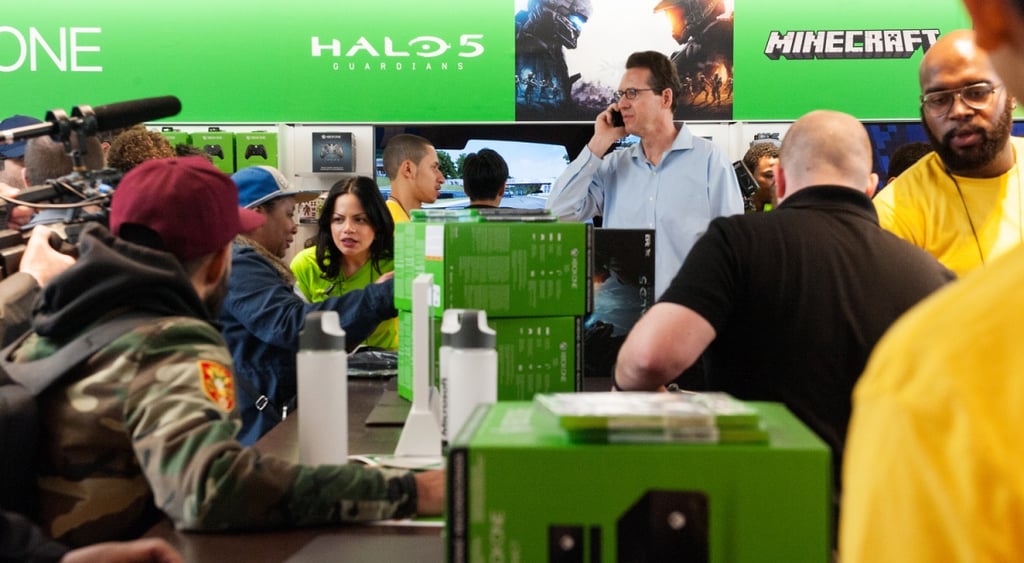
This way, scalpers create a shortage of these goods, forcing buyers to pay 2 to 3 times the price.
Considering that the future Xbox gaming console is a limited edition, X user @DackorWow asked Josh Munsee, Xbox's director of creative marketing, about the company’s plan to prevent scalpers from “[raiding] the shelves before everyone else gets in.”
Munsee replied that “it’s top of mind and being worked on.”
“Men used to go to war, now they steal kids' Pokémon cards:” How does scalping work?
The first time I had experience buying something that was a scalping target was when my boyfriend decided to get a PlayStation 5.
After calling and going to numerous stores, he finally got it. He also wanted to get a console for his friend, who couldn’t get one himself. However, we soon learned that the store was limiting the purchases to one per person.
According to Sony’s PlayStation Physical Goods Terms of Purchase, the company “may restrict purchases of some products where reasonable, such as limiting purchases to one per person or household where products are in short supply. If [it detects] an attempt by you to circumvent these restrictions, [it] may cancel the relevant order(s).”
However, this approach to limiting scalpers from buying in bulk doesn’t work for every product.
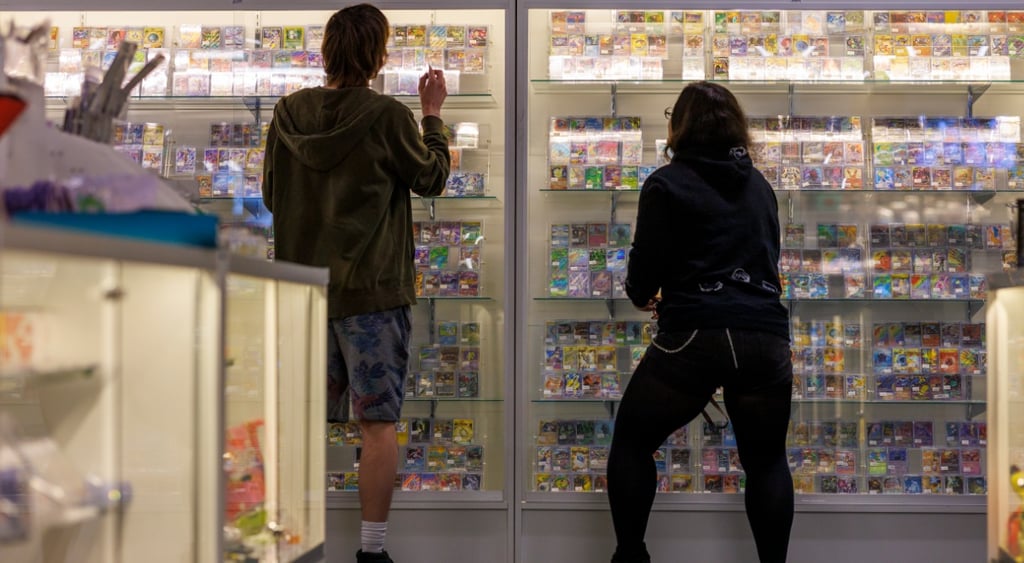
Recently, a video showing scalpers raiding a store for Pokémon cards began circulating online.
The footage showed a man coming in and taking all the packs with cards available while a woman with a little girl was browsing through them.
The clip sparked an online discussion in which users shared their frustrations with scalpers.
“Men used to go to war, now they steal kids' Pokémon cards,” wrote one X user.
Many agreed that to tackle this issue with physical items, stores should set limits on how much a single buyer can purchase.
However, not all stores are interested enough to put these limits in place, since it doesn’t really matter who buys them as long as the stock is being sold.
Battling scalper bots
Gaming consoles and Pokémon cards are only a few examples of what scalpers are interested in.
“Scalpers target high-demand, easy-to-turn profitable products and services where demand exceeds supply,” Jérôme Segura, VP of threat research at DataDome, the company focusing on stopping cyberfraud and bots, told Cybernews.
These include event tickets, limited-edition sneakers, gaming consoles, and collectibles, such as Labubu.
“Virtually any product with scarcity and a healthy resale market can become a target,” noted Segura.






For example, resellers even managed to snatch tickets to events like Eurovision. In 2023, thousands of tickets for the Eurovision held in Liverpool sold out in just 36 minutes. Later, the same tickets were resold for more than £11,000 (around $14,700).
Scalpers have been causing a headache for concertgoers for quite some time.
During Bad Bunny’s 2022 sold-out concert, thousands of fans were left outside the stadium because many had purchased counterfeit tickets.
It was also revealed that many tickets were bought through resellers who used automated systems, or bots, to snatch them before actual customers purchased them.
When it comes to battling scalpers who use bots, it’s not about blocking them, but “telling them apart from a human,” noted Mariano Facundo Scigliano, a cybersecurity expert and founder of VisionTech Solutions LLC.
While there are different tools available, such as CAPTCHA, device fingerprinting, behavioral analysis, and virtual waiting rooms, bots are becoming better at faking as real people – largely thanks to AI.
Scalper’s confessions, and do we embrace scalping?
In their post, a Reddit user who admitted to being a scalper encouraged others to ask questions about it.
While some were interested in details about how the person operates, what the margins are, how long they plan to do this, and whether it makes sense for them to have this “business,” many condemned them for doing so.
“How do you sleep at night knowing you’re taking stuff away from kids for a profit?” asked one Redditor referring to the person reselling Pokémon cards.
“Product will sell out regardless. I actually help people who can’t wait in lines or camp out. Imagine if there was nobody playing my role,” was one of the answers the original poster shared.
Given that many oppose scalpers, why is it still booming?
“As long as consumers are willing to pay a premium on secondary markets, bad actors have an incentive to secure inventory before legitimate customers can,” explained Segura.
“The broader consequence is that scalping has evolved from a resale issue into a digital trust issue,” noted the expert, referring to the fact that with the use of AI, coming up with bulk purchasing techniques became so much easier.
This not only becomes a problem for customers who “repeatedly lose out to bots,” but also to brands who “risk customer frustration, diminished loyalty, and reputational damage,” concluded Segura.
Unlock more exclusive Cybernews content on YouTube.