Hooked on AI? How to stop your chatbot addiction, according to a psychologist
We scold kids for outsourcing their minds to AI, but adults are just as hooked on chatbot dopamine. To break the cycle, psychology suggests swapping rigid tech bans for "micro-moment" behavioral shifts.
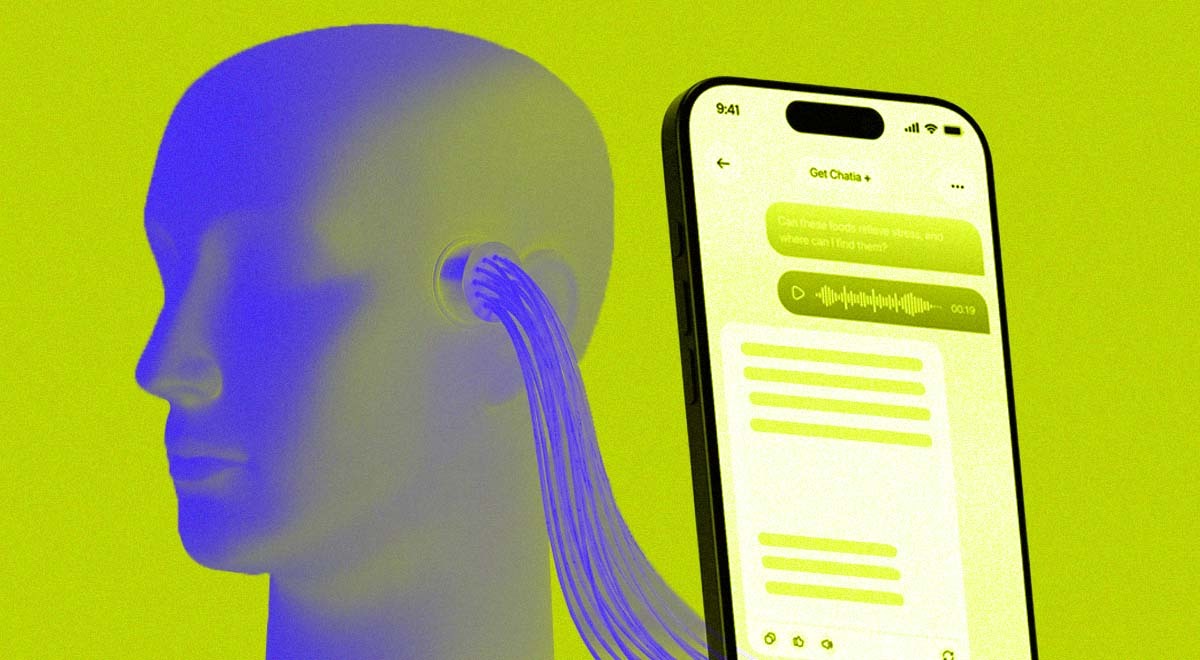
Ai dependent. Image by Cybernews.

 Follow us
We scold kids for outsourcing their minds to AI, but adults are just as hooked on chatbot dopamine. To break the cycle, psychology suggests swapping rigid tech bans for "micro-moment" behavioral shifts.
As an occasional English teacher, I've often blurted out at my class, condemning them for using AI in presentations or essay writing.
It’s a bit rich coming from me, especially as I’ve chased dopamine spikes when asking for investment tips or even life advice. Double. Standard. Shenanigans.
So, do I even have the right to call out my class for using AI during a brainstorm, for example?
Licensed psychologist Shreya Hessler argues that blunt "put your phone down" orders simply don't work.






During her talk at Login 2026 in Vilnius, she described an experiment at Loyola University in which she told her brand-new class they were to go completely analog for the duration of their course together, which certainly ruffled a few feathers with the students.

Despite initial withdrawal symptoms, students reached a breakthrough around 3 weeks in, as their problem-solving skills improved markedly.
Her method of micro‑moment experiments – small, repeatable actions that interrupt automatic device use – seems a welcome tonic.
Replacement behaviors
Replacement behaviors were the core curriculum, beginning with the basics: "looking up, making eye contact, and saying hi," Hessler explains.
Students who tried this stopped using phones while crossing campus and reported feeling "seen." Going deeper, Hessler explains three pillars: optimism, invitation, and support.

"If you don't come in with them, no behavioral change is possible," she says.
However, it wasn’t roses, as she also spoke of the terrifying concept of the rest of us “outsourcing” our lives to screens (chatbots included), especially at young ages.
Many young kids, for example, are not able to ride bikes, and digital natives like Gen Z and Alpha find difficulty in sitting with a problem or taking constructive feedback on the chin.
And as someone like me who often follows the pessimistic narrative, I heeded her warning: "If we get too caught up in the doom of it, then people are less likely to actually engage in behavioral change."
We don't need to launch our phones into the sea. Reduction, not cold turkey, is what succeeds.

Sitting with a problem
The idea of discomfort or uncertainty is not particularly appealing to the average person, but it might come more naturally to older generations.
Even though the tendency to watch videos at x2 speed may feel natural to digital natives, Hessler lays it out: “Our brains are designed to process but not at warp speed.”
And aside from entertainment, even when discussing personal problems, she advises caution against using AI chatbots.
“I often suggest that when you’ve felt like you’ve thought something through and you’re still stuck, walk it through with another person or a mentor instead of AI.”






However, Hessler stops shy of squaring the blame directly at AI, professing that there’s “an overload of information across the board,” and that we all become avoidant types when “we have too much coming at us. ”And if you witness someone constantly reaching for the Chatbot?
“Lean into questions to that person that show your curiosity and concern. That way, the person you care about may not be defensive when you’re pointing out a pattern,” advises Hessler.