What do we know about Walmart’s emotional recognition technology?
Does every run to the store mean that we’re sacrificing our data for better deals?
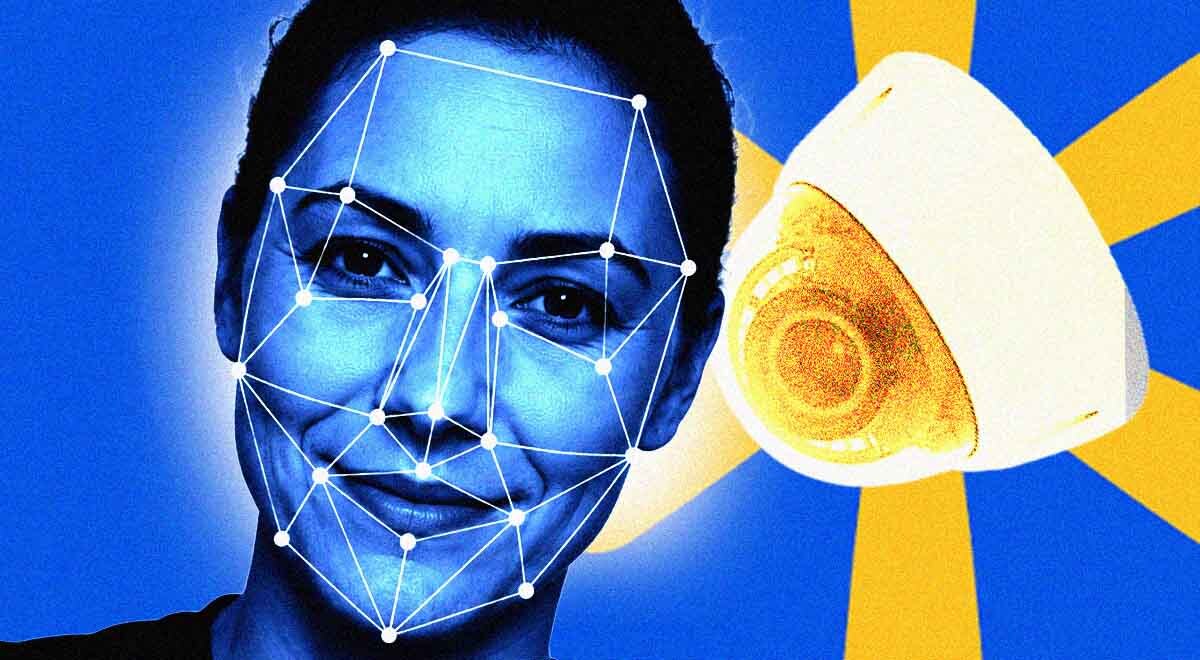
Image by Cybernews

 Follow us
Does every run to the store mean that we’re sacrificing our data for better deals?
“Walmart is not content with using facial recognition. They have a patent for emotional recognition,” Dr. Jon Padfield said on his YouTube channel, Business Reform.
“Because it’s not enough to know who you are, it’s not enough to know what you’re looking at, but they need to know what you think about it as you’re looking at it,” he added.
There are quite a few videos online discussing Walmart’s emotional recognition technology, which can allegedly decipher customers’ emotions and use that data to adjust prices accordingly.
With facial recognition technology already implemented in many stores to reduce theft, Walmart may see emotion recognition technology as a plausible and profitable extension of that.






The news came at the same time as another retail update: the rollout of digital shelf labels, which was met with consumer doubt, since it may lead to surveillance pricing.
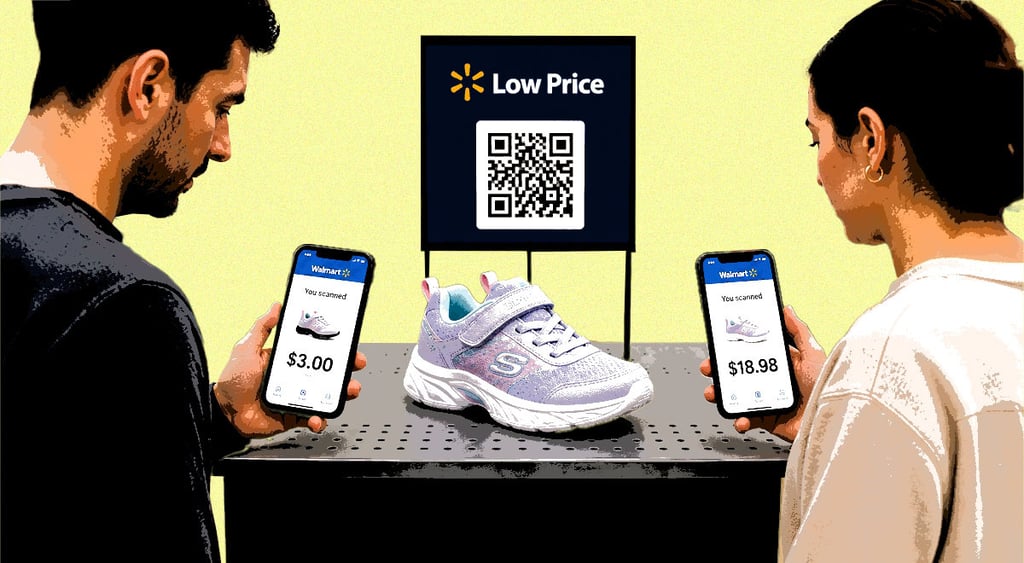
These doubts aren’t coming from nowhere. For example, a woman who decided to buy a $3 pair of shoes was unpleasantly surprised to find that by the time she brought them to the checkout counter, they already cost $19.
It’s been reported that at the end of 2026, Walmart will shift all its stores to digital price tags.
Considering the outrage technological advancements like facial recognition and digital price tags cause, are discussions about emotional recognition technology valid, or do they add another layer of panic?
Does Walmart’s emotional recognition technology even exist?
There’s one thing to know about patents: issuing one doesn’t mean the technology or design described in it will be implemented in real life.
Many companies also patent ideas as a way to battle competition.
So far, Walmart has issued a number of patents. Several of them relate to customer service and AI implementation.
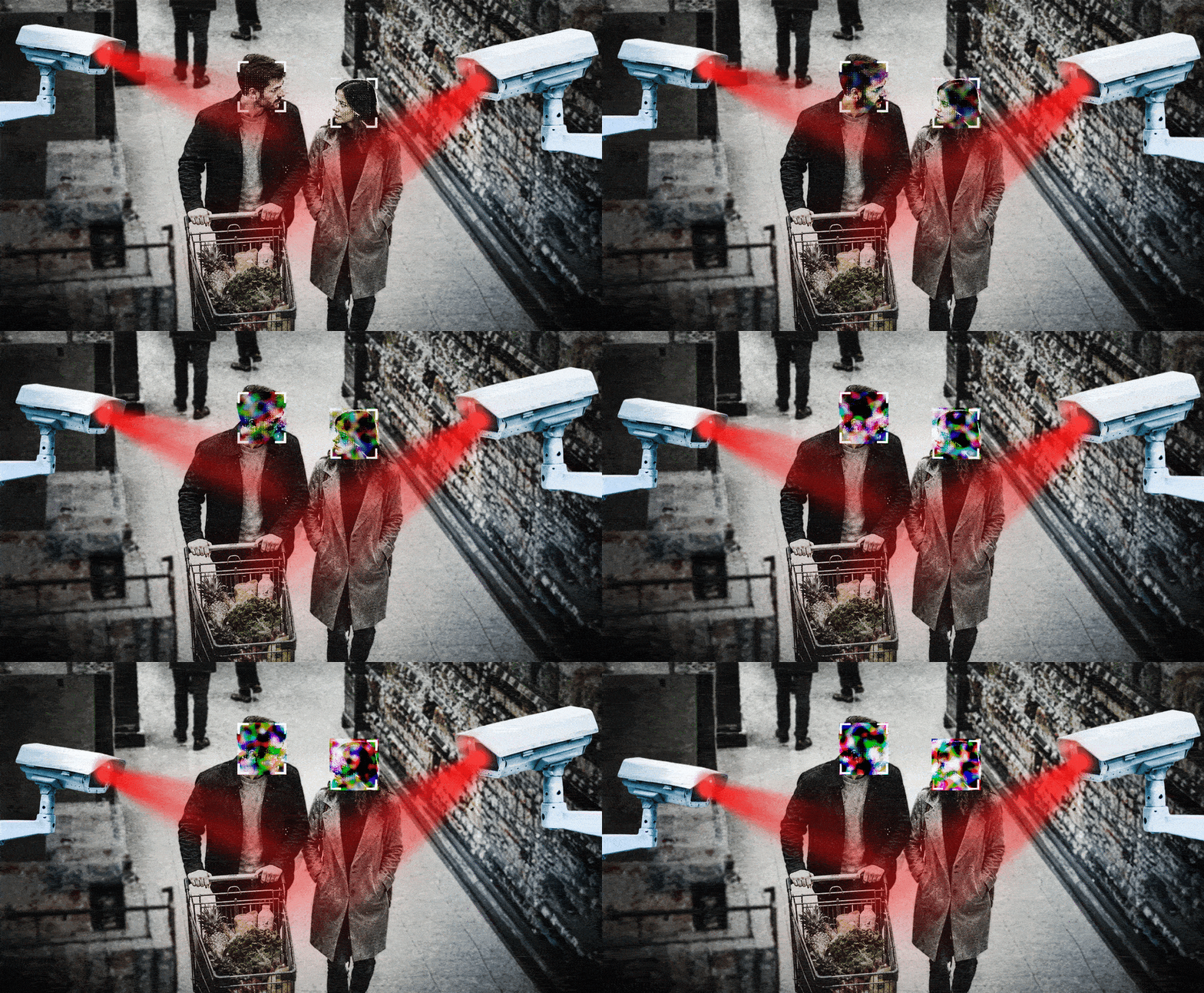
For example, a document dating back to 2016, “Detecting customer dissatisfaction using biometric data,” focuses on using cameras to monitor the POS queue to analyze and identify customers and measure their biometric data.
This data is then used to alert staff if a customer is dissatisfied. This way, the store makes sure it doesn’t lose its customers.
Its other patent, “System and method for a biometric feedback card handle,” from 2018, describes how customers’ biometric data could be obtained through a shopping cart handle to serve the same purpose – helping a customer out.
This year, the company has issued two more patents related to dynamic pricing.
The document entitled “System and method for dynamically and automatically updating item prices on e-commerce platform” explains how this system would adjust item prices in real time based on inventory, competitor pricing, and customer traffic.
Another document released in 2026 is called “Method and apparatus for determining item demand and pricing using machine learning processes.”
The patent shows how AI is used to predict product demand and set prices. According to Gizmodo, the document revealed that third-party data may be used to help set prices, a practice already used by companies like airlines and hotels in dynamic pricing.






Could emotional surveillance be real?
While the implementation of such patents is very low, putting this information together makes you wonder whether pricing based on our emotions isn’t that much of a stretch.
However, being afraid of paying more for the cereal your kids like just because they jumped out of excitement in the store isn’t the scariest part.
Curious what others think about this story? Contribute your thoughts to the debate below.
“The real world was our last safe place, and now our safe place is starting to be affected,” shared Dr. Nicholas Nadeau, co-founder and CTO of Onix, an AI platform designed to provide private health and wellness guidance, to Cybernews.
The expert noted that various types of data have been collected without our consent, and it’s unclear where this data is sent, who uses it, and for what purpose.
“We have a lot of fear that the government is watching us or not. They don't need to watch us. They could just buy data, because data brokers will sell it to anyone,” explained Dr. Nadeau.
“I think the time of panic was a long time ago”
Considering the reality where everything we do might be recorded and turned into valuable data, is the worry shared online that we’re being watched valid?
“I think the time of panic was a long time ago,” said the expert, adding that “it's time that we actually create legislation.”
The inspiration could be drawn from examples such as the social media ban on underage users, Quebec’s Law 25, which focuses on protecting users' personal information, and the European Union’s AI Act.

Check if your data was exposed
Find out if your email and related personal information have appeared in known data breaches.
Until a similar level of concern is reached, Dr. Nadeau said people should participate in discussions about data sovereignty or “vote with [their] wallet,” suggesting that users could simply avoid places like Walmart or Amazon, hinting that whatever works as long as users aren’t staying ignorant.
Cybernews has contacted Walmart for additional comment.
Unlock more exclusive Cybernews content on YouTube.