AI takes the call: UK launches major crackdown on phone spoofing scams
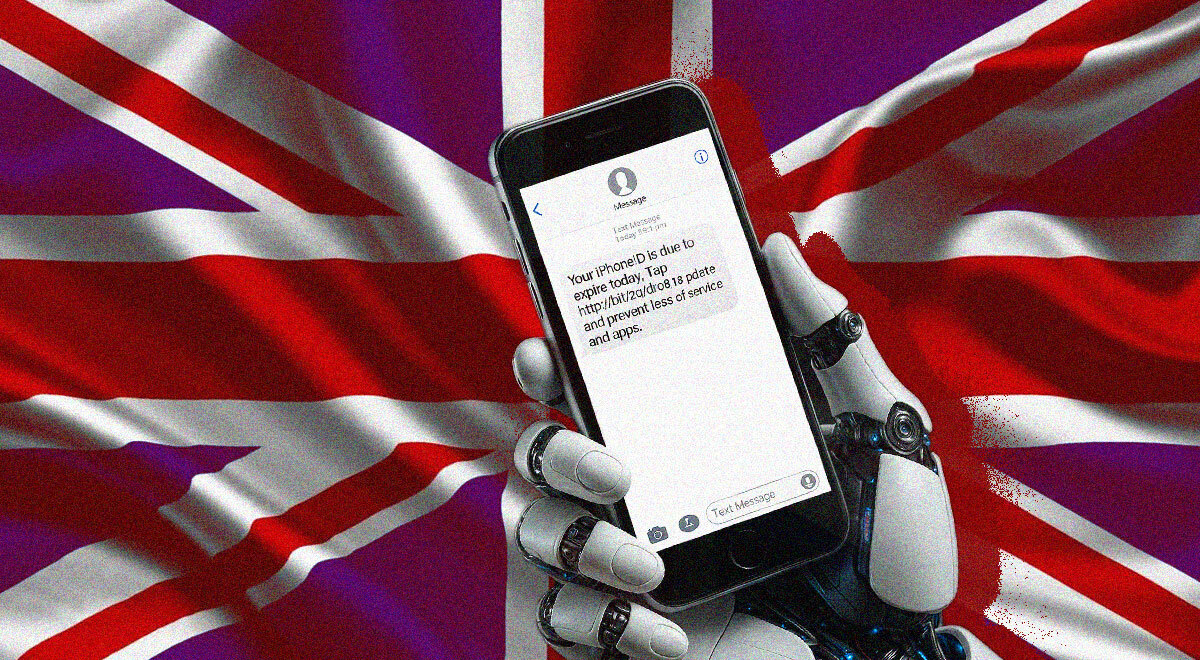
The UK government and British telecom companies have joined forces to tackle fraudsters who try to scam gullible victims into handing over their money or personal information via phone spoofing.

 Follow us
The UK government and British telecom companies have joined forces to tackle fraudsters who try to scam gullible victims into handing over their money or personal information via phone spoofing.
On Wednesday, the government and the industry signed a new Telecoms Charter at the BT Tower to protect the UK’s mobile network from fraud. With new safeguards in place, it will become more difficult for criminals to deceive people through scam calls.
Britain’s biggest mobile network operators, including BT EE, Virgin Media O2, Vodafone Three, Tesco Mobile, TalkTalk, Sky, and the Communications Council UK (CCUK), have agreed to upgrade their networks with cutting-edge technology to eliminate the ability for foreign call centers to spoof UK phone numbers.
That way, it will be instantly clear that someone is being called from somewhere outside the country, exposing scammers of their ill intentions.
In addition, telecom companies will roll out advanced call tracing technology across mobile networks, providing the police with the intelligence to track down scammers operating nationwide and dismantle their operations.






Lastly, artificial intelligence (AI) will be deployed to identify and block suspicious calls and texts, halting scammers before they can reach users’ mobiles.
“Spoofed calls allow scammers to deceive the public with fake identities and false promises. This government is committed to tackling fraud. In a major upgrade of our mobile network, call spoofing will be eliminated within a year, stripping away the tools scammers use to cheat people out of their hard-earned cash,” Minister for Fraud, Lord Hanson, said in a statement.






“The vital commitments made by mobile phone organizations today are a welcome step in the right direction to help tackle the harms posed by scam calls,” Deputy Commissioner at the City of London Police, Nik Adams, adds.
Recently, Europol called for a coordinated European response to tackle telephone spoofing. According to the agency, criminal networks operate from abroad to exploit jurisdictional gaps to evade detection and prosecution.
“By hiding their true identities and locations, criminals trick victims into revealing personal information, transferring funds, or granting access to devices and accounts, making it extremely difficult for law enforcement to trace and prosecute them,” Europol said.
Unlock more exclusive Cybernews content on YouTube.