US makes first two arrests after men caught spreading viral deepfake pornography
Two men are the first to be arrested for allegedly creating deepfake pornography of roughly 140 unconsenting women, which garnered millions of views and the attention of authorities.

Image by Cybernews.

 Follow us
Two men are the first to be arrested for allegedly creating deepfake pornography of roughly 140 unconsenting women, which garnered millions of views and the attention of authorities.
Cornelius Shannon, 51, and Arturo Hernandez, 20, were both caught creating and sharing deepfake pornography of real women.
The victims included celebrities like actresses, singers, and political figures, as well as members of the public.
Shannon and Hernandez allegedly posted thousands of images and videos that showed real people in a state of nudity or performing sexual acts, according to the Department of Justice.
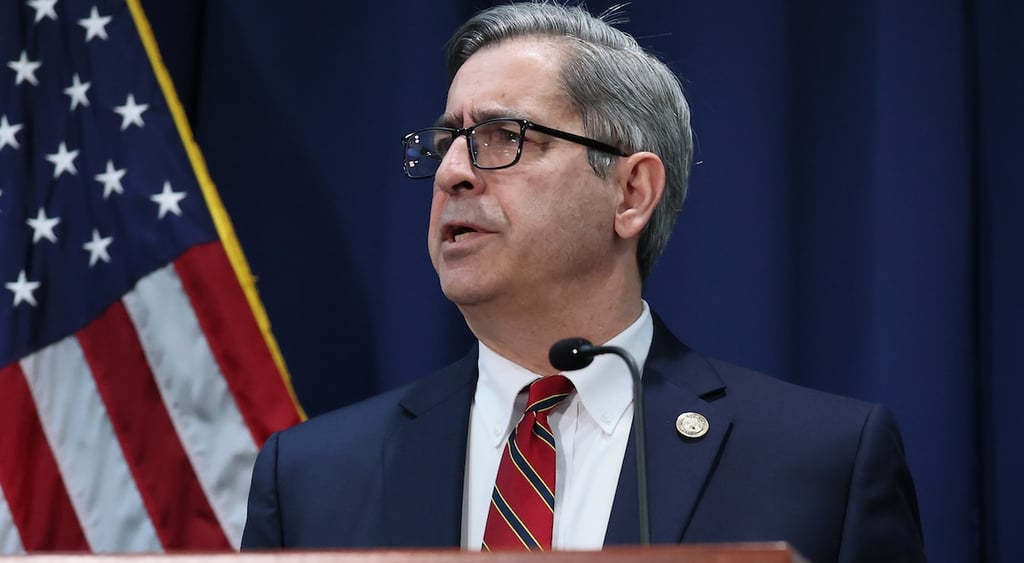
The pair allegedly used “cutting-edge technology to create images that degraded and violated victims across the United States,” said US Attorney Joseph Nocella Jr.




Both allegedly uploaded nearly 500 albums of deepfake content containing known and private people.
Their content received millions of views and showed women in various stages of nudity.
Shannon posted deepfake porn featuring around 90 different women to a site designed to share explicit content.
Hernandez posted content of 50 women, some of whom weren’t celebrities or public figures, undressing and engaging in sexual activity.
While the men do not seem to know each other, the arrests show a shift in attitude towards the creation and proliferation of non-consensual deepfake pornography – authorities are beginning to take synthetic intimate imagery abuse seriously. As Nocella points out, “posting deepfake pornography is not a victimless crime.”
What’s the Take It Down Act?
Both Shannon and Hernandez are the first to experience the full weight of the Take It Down Act, a law that was brought into legislation a year ago, which aims to protect victims of AI-generated revenge porn.
This law was pushed by First Lady Melania Trump, who advocated for the bill to be passed in 2025.
The law criminalizes the posting of all non-consensual intimate imagery, including imagery generated by AI.
Not only are users responsible, but social media companies and other sites are required to develop ways to remove deepfake porn from their sites within two days after being notified by a victim.
Otherwise, social media companies will face huge fines from organizations like the Federal Trade Commission.
The bill specifies that even if a victim agrees to someone using their likeness to create deepfake porn, this doesn’t automatically mean they consent to it being posted.
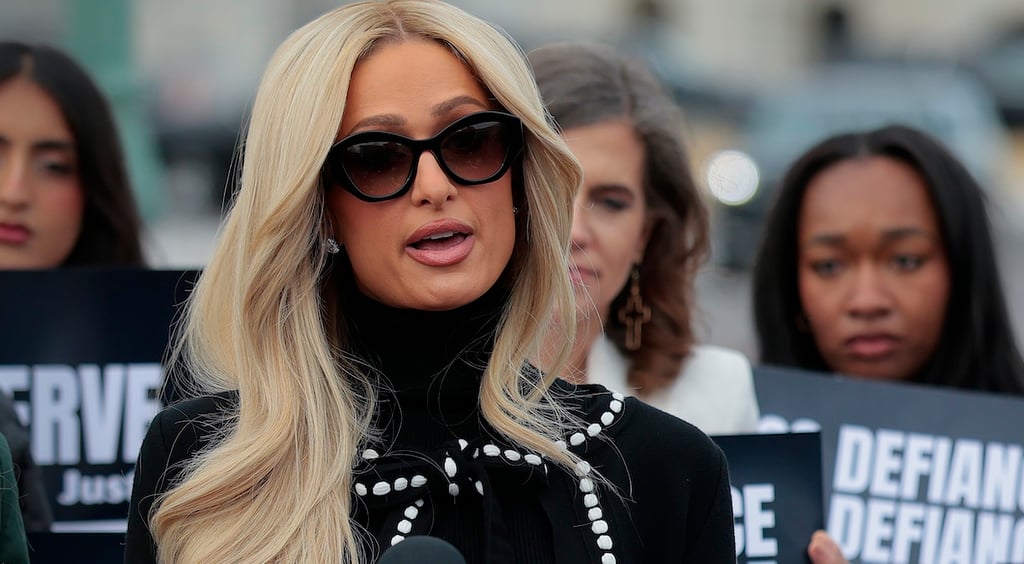
Socialite Paris Hilton spoke outside the Capitol building in Washington earlier this year to talk about her experience with revenge porn.
Hilton’s ex-boyfriend, Rick Salomon, made money and even won an award in 2005 for the sex tape “One Night in Paris,” which featured a 19-year-old Paris performing sexual acts.
What was once dubbed a sex tape “scandal” is now a ubiquitous issue facing many women today, and technological advances, such as the widespread use of artificial intelligence, are only adding fuel to the fire.
You don’t need to be a master of Photoshop anymore
While deepfake pornography of celebrities like Taylor Swift has been circulating for a few years, the epidemic only gained global attention after the Grok deepfake nude scandal.
Elon Musk’s rambunctious chatbot Grok was allowing users to create deepfake pornography of women and, allegedly, children.
Grok was still undressing women for days after the scandal went viral, which prompted women everywhere to stand up against the chatbot and its creator.

While Musk urged users not to create illegal content, as there would be consequences, people continued to make deepfake pornographic images using Grok.
Following investigations by the UK and the banning of Grok in Malaysia and Indonesia, Musk eventually took action and stopped allowing the chatbot to edit images of real people.
The case is particularly pertinent, as users can “just ask Grok to make a pornographic video for you. So it democratized the negative use cases,” CEO of digital verification company OpenOrigins, Dr. Manny Ahmed, told Cybernews in a previous interview.
What’s the problem with deepfakes? They’re not real…
During her speech, Hilton said that around 100,000 deepfake images of her have been created without her consent.
"Not one of them is real, not one of them is consensual. And each time a new one appears, that horrible feeling returns, that fear that someone somewhere is looking at it right now and thinking it's real," Hilton said.
While they aren’t real, the psychological reaction to this type of content being published may be similar to someone who has had their real nudes leaked.
As AI becomes more sophisticated, it's becoming difficult to discern what’s real and what’s a deepfake.
This means that victims could face similar consequences, such as reputational damage or psychological trauma, particularly if people believe the images to be real.
While we’re seeing authorities clamp down on websites like MrDeepFakes and exercise laws like the Take It Down Act, there’s still more that needs to be done.
Governments have “done some bare minimum regulations… (and while) the European Union is passing a law that makes it illegal to create non-consensual pornography using AI…we need to go a step further,” Dr. Ahmed told Cybernews.