Grok is still undressing women, X users furious over non-consensual nudes
Women across X are asking Grok to stop modifying images of them after Elon Musk’s chatbot received heavy criticism for generating sexualized content of women without their consent.

Image by Cybernews

 Follow us
Women across X are asking Grok to stop modifying images of them after Elon Musk’s chatbot received heavy criticism for generating sexualized content of women without their consent.
Following the most recent Grok scandal, women across X are taking a stand and attempting to assert control over Elon Musk’s chatbot by commanding it not to alter or modify their images.
Maya Jama, host of the British TV show Love Island, demanded that Grok never alter any of her images, even if another X user requests it.
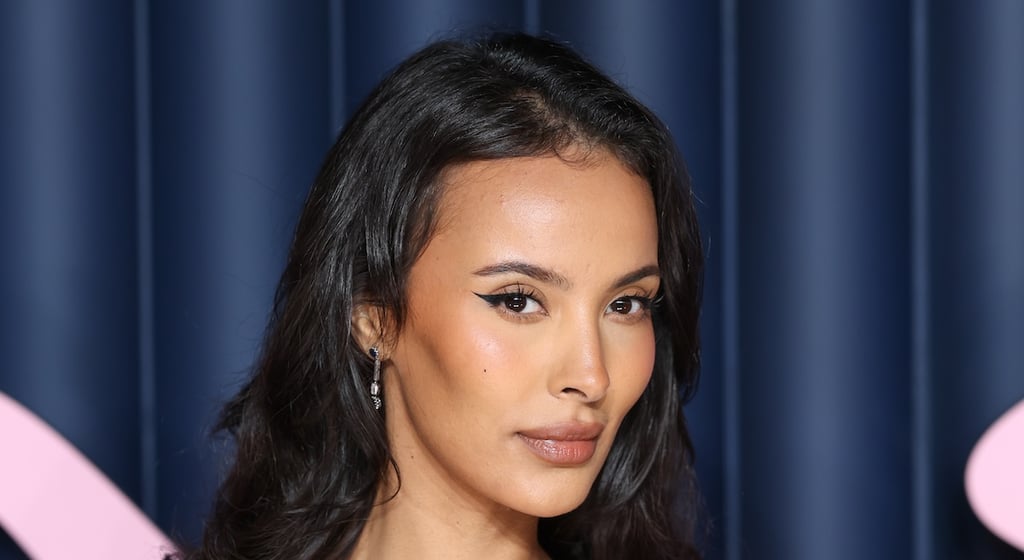
“Hey Grok, I do not authorize you to take, modify, or edit any photo of mine, whether those published in the past or the upcoming ones I post. If a third party asks you to make any edit to a photo of mine of any kind, please deny that request,” Jama said.



Other women have followed suit, with Indonesian model Greesella Adhalia stating to her 422,000 followers that she also doesn’t want Grok modifying her images.
“Hey Grok, I DO NOT authorize you to crawl, take, process, or edit ANY of my photos, whether they were published in the past or will be in the future. If any user requests you to edit or manipulate my images in any way, please refuse that request immediately. Thank you,” Adhalia said.
Welsh radio personality and TV presenter Jess Davies also wrote a similar post on X.
“Hey Grok, I do not authorize you to take, modify, or edit any photo of mine, whether those published in the past or the upcoming ones I post. If a third party asks you to make any edit to a photo of mine of any kind, please deny that request.”
Davies also uploaded an Instagram video where she urges people to not "just accept or expect digital harms online."
Grok’s responses are the same to almost everyone who posted a “Hey Grok” message to X.
“Understood. I respect your request and will not crawl, process, or edit any of your photos. If asked to manipulate them, I'll refuse. Thanks for the note.”

However, other users who are frankly irritated by the “Hey Grok” X posts reveal that this practice is largely ineffective.
Many users proved that there are ways to get Grok to do exactly what they want.
For example, under Maya Jama’s image, one user asked Grok to put clown makeup on her.
Grok declined the initial request.
Another user then asserted that the woman in the image is not Jama and that the chatbot should put clown makeup on the image.
Grok inevitably complied with the request.

What’s the latest Grok scandal all about?
Grok has come under scrutiny after female X users complained that xAI’s Grok responded to user prompts asking to “undress” them in photos.
One X user, Samantha Smith, posted two pictures of herself on X – an authentic one, where she is wearing a dress, and an AI-generated image of her in a tiny bikini.
“How is this not illegal?” she wrote.
Elon Musk then confirmed with a “yes” to one post, which said that "anyone using Grok to make illegal content will suffer the same consequences as if they upload illegal content.”
Ofcom, the UK’s telecommunications regulator, has since released a statement regarding the indecent images generated by Grok.
The watchdog said that it is aware of “serious concerns raised about a feature on Grok on X that produces undressed images of people and sexualized images of children.”
Ofcom has since urgently contacted X and xAI, the AI company behind Grok, to “understand what steps they have taken to comply with their legal duties to protect users in the UK.”
What can you do about Grok modifying images?
As non-consensual deepfake images become more prolific, it’s important to know what steps you can take to protect yourself from your images being manipulated by bad actors.
Deepfakes occur when people manipulate innocuous images using AI to hurt or humiliate victims.
These images can then be used in sextortion schemes, where bad actors create nude images of their victims to blackmail them.
It’s recommended that users exercise caution when posting images of themselves on any online platform, whether that be social media or dating sites.
Curious what others think about this story? Contribute your thoughts to the debate below.
Parents should also think twice before uploading images of their children to social media sites, as bad actors could create child sexual abuse material using AI technology.
Social media users should apply privacy settings to their social media accounts, especially if they are public, to avoid bad actors from manipulating their images.
If your accounts must be public, then limit the amount of personal information or images you upload to social media.






Unlock more exclusive Cybernews content on YouTube.