AI-powered monitoring helps Trump administration run its deportation machine
If you’re a foreign national residing in the United States and don’t particularly like what the Donald Trump administration is doing, don’t criticize it on social media. An AI-powered “big brother” is watching and will kick you out, a new report claims.

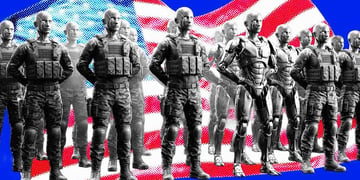
Image by Cybernews.

 Follow us
If you’re a foreign national residing in the United States and don’t particularly like what the Donald Trump administration is doing, don’t criticize it on social media. An AI-powered “big brother” is watching and will kick you out, a new report claims.
President Trump’s campaign mostly centered around the promise of mass deportations. And he’s delivering big time, with the US Immigration and Customs Enforcement (ICE) agents roaming the cities and arresting people left and right.
Trump has consistently said he wants to deport millions of migrants without legal status. Critics, though, say that the raids sow fear into vulnerable communities, describing the enforcement operations as heavy-handed and aggressive.
Some arrests are illegal, too, and since people in mostly liberal cities are – quite naturally – protesting, there are reports of violent clashes tinged with tear gas.
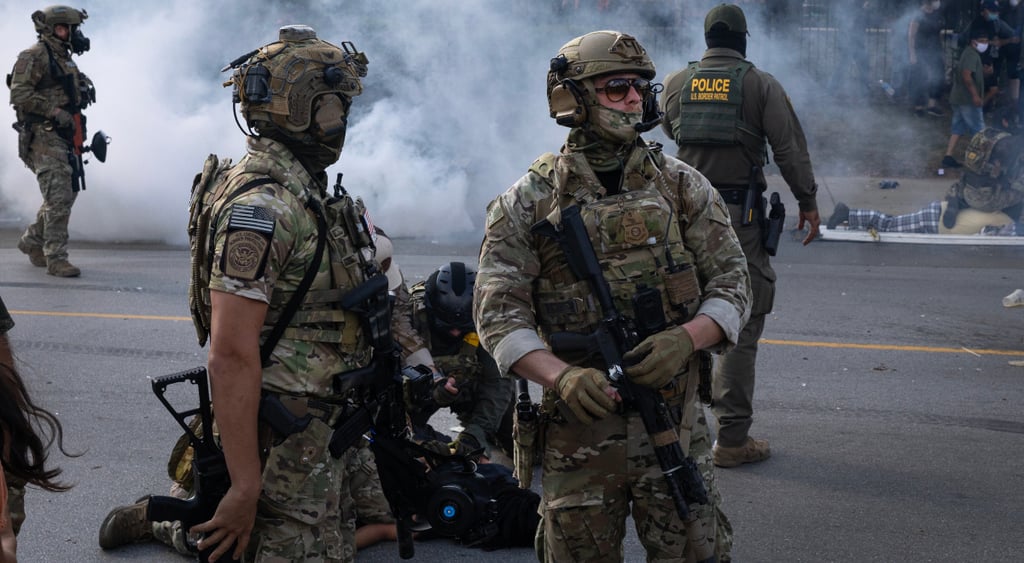



Behind the scenes, these ICE efforts rely on the use of data analytics and several technologies. That’s not new – a variety of technological tools like facial recognition were amassed during previous presidencies.
“But as the administration’s deportation efforts accelerate, it seems these technologies might streamline its goals and also become more powerful with AI,” a new report by the Brookings Institution, a nonpartisan think tank, says.
When you lack definitions, just scan everyone
AI use is probably rational enough in some cases, like translation services. But it’s also deployed for facial recognition technologies and tools like Babel software, which assists Customs and Border Protection in screening social media accounts to “identify potential threats.”
As a matter of fact, social media surveillance has been expanded massively under the Trump administration, says the report.






Again, agencies like the State Department have monitored political discussions online for quite a while now. Already under Joe Biden’s presidency, social media became a significant source of information for US law enforcement and intelligence agencies.
But, according to the Brookings Institution, the Trump administration “has been more explicit in who it’s targeting.”
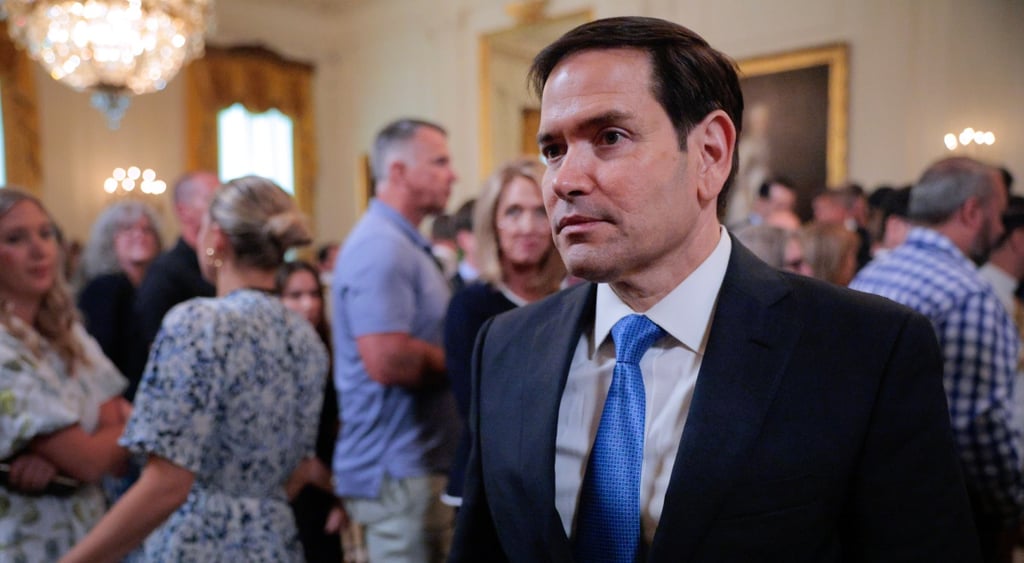
For instance, Secretary of State Marco Rubio has initiated a new, zero-tolerance “Catch and Revoke” strategy, which uses AI to monitor the public speech of foreign nationals and revoke visas of those who “abuse the country’s hospitality.”
Already in March, Rubio said in a press conference that at least 300 visas, primarily issued to students and visitors, had been revoked, and the process is accelerating.
Moreover, The Washington Post reported back in June that the State Department now also requires student visa applicants to set their social media accounts to public. The aim is apparently to identify individuals who “bear hostile attitudes toward our citizens, culture, government, institutions, or founding principles.”
According to the report, Citizenship and Immigration Services has also issued a notice proposing the collection of social media identifiers through immigration forms.
The State Department also intends to use these tools not only to identify potential legal violations but to screen for “antisemitic activity” or terrorist sympathies.
Crucially, the administration doesn’t officially define who is a terrorist or a terrorist sympathizer, although Trump has been targeting left-wing activists. He’s labeled antifa, short for anti-fascist or anti-fascism, a terrorist group, although antifa is actually an ideology – not an illegal one – and it’s not an organization.
Implications for free expression
Some of these technologies can misclassify individuals, especially vulnerable immigrants, and have profound implications for the right to self-expression, the Brookings Institution report points out.
The use of facial recognition software, for example, can exacerbate racial disparities in policing and increase the likelihood of misidentifying people of color.
Facial recognition technologies used by federal law enforcement, including ClearView AI systems that collect and sell publicly available images, have already faced legal challenges in the US, France, and the Netherlands.
Even noncitizens who are targeted in immigration proceedings are theoretically entitled to First Amendment protections in the US.
In general, AI can misclassify individuals’ criminal records, score people based on incomplete information, and introduce other forms of bias in law enforcement.
Most importantly, though, even noncitizens who are targeted in immigration proceedings are theoretically entitled to First Amendment protections in the US.
“Because AI may struggle to interpret nuance or context, using online speech as a basis for removal proceedings could have chilling effects on free expression and public discourse nationwide,” says the report.
“Social media screening criteria can be broadly interpreted, and intensified surveillance raises concerns about restricting free speech while setting an alarming precedent. Individuals may self-censor, fearing repercussions for peaceful forms of government criticism, such as writing op-eds or participating in campus protests.”
Unlock more exclusive Cybernews content on YouTube.