US Army using AI to screen officers for promotions and shoo away bias
The US Army is using artificial intelligence (AI) to help the huge organization wade through the files of soldiers seeking promotions.
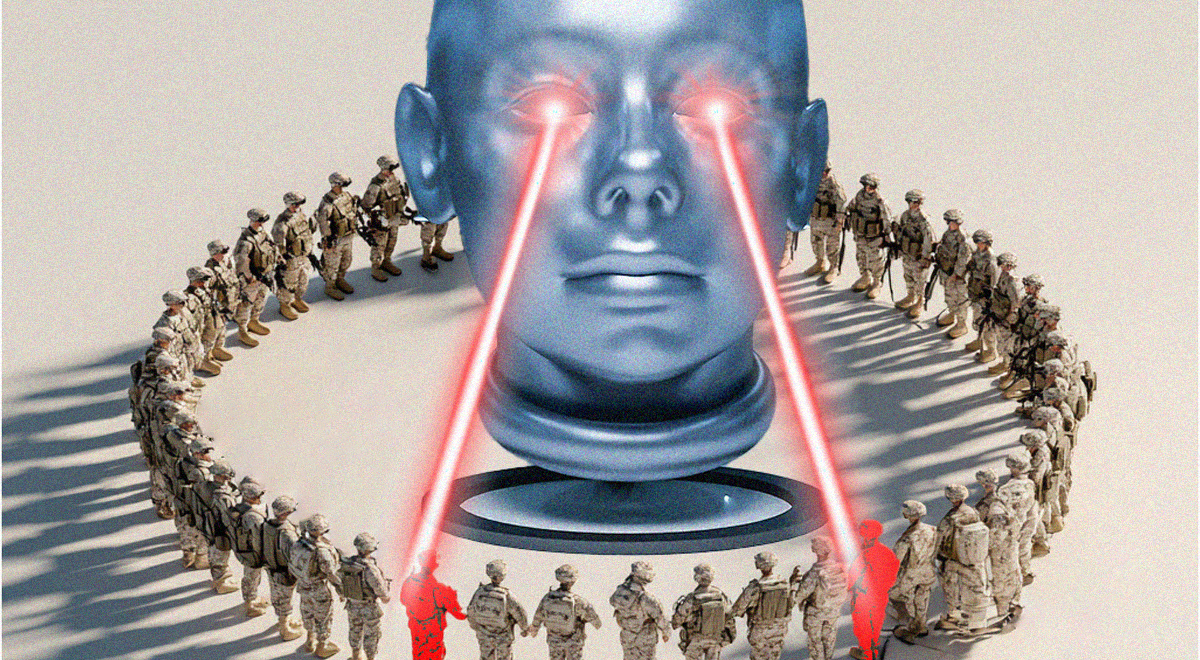
Image by Cybernews.

 Follow us
The US Army is using artificial intelligence (AI) to help the huge organization wade through the files of soldiers seeking promotions.
According to Task & Purpose, a military news outlet, the Army Human Resources Command (AHRC) thinks that the technology will help eliminate non-commissioned officers who are uncompetitive for promotions. AI is also apparently used in recruitment.
Maj. Gen. Hope Rampy, commanding general of the AHRC, said that enlisted evaluation boards are now simply too busy to produce quality work.
The boards have to review thousands of records, some of which include soldiers that are “not even competitive for promotion, but we still have to give them an order of merit list score,” said Rampy.
The hope is that the algorithms will be able to screen for soldiers who meet prerequisites for promotion, like schooling and job history. That way, time won’t be wasted on soldiers who are not going to be eligible for promotion.












This doesn’t mean AI will replace humans, though, said Col. Tom Malejko, chief talent analytics officer at the AHRC: we’ll still be part of each step to “override whatever the computer’s decision may have been” if needed.
In other worlds, only the initial screening is automated to filter out non-competitive candidates. Then, human board members can dedicate their time to a more thorough evaluation of truly qualified individuals.
“Can we screen out individuals that are not really competitive for the process up front and then help our board members to focus their valuable time and resources on those individuals that are then most competitive for that selection?” said Malejko.
There's the risk of automation bias, where human operators might over-rely on AI suggestions, diminishing their own critical judgment.
There are reportedly ways to mitigate bias within the technology used by the Army. AI will reportedly ensure candidate eliminations aren’t based on race, ethnicity, ranks, or military branches.
However, the “black box” problem – where the decision-making process of complex AI is opaque – still raises questions about transparency, accountability, and the ability to challenge system suggestions.
There’s also the risk of automation bias, where human operators might over-rely on AI suggestions, diminishing their own critical judgment.
Malejko said the Army is beginning to use AI with non-commissioned officer boards as a pilot and then take those lessons and apply it to officer boards. However, the Army first needs additional authorities from Congress before applying it to officer selections.
Unlock more exclusive Cybernews content on YouTube.