Spain blocks prediction markets Polymarket and Kalshi for operating without gambling licenses
Spain's Consumer Rights Ministry has temporarily banned so-called prediction markets Polymarket and Kalshi for operating in the country without a gambling license, the official state gazette showed on Tuesday.

Polymarket logo displayed on a dark screen. Omar Marques/SOPA Images/LightRocket/Getty.

 Follow us
Spain's Consumer Rights Ministry has temporarily banned so-called prediction markets Polymarket and Kalshi for operating in the country without a gambling license, the official state gazette showed on Tuesday.
In a statement, the ministry said its gambling watchdog had opened a probe into the US-based companies for allegedly breaching local rules by failing to obtain mandatory administrative authorization.
The ban will last an estimated 3 or 4 months until the probe's completion, it said.
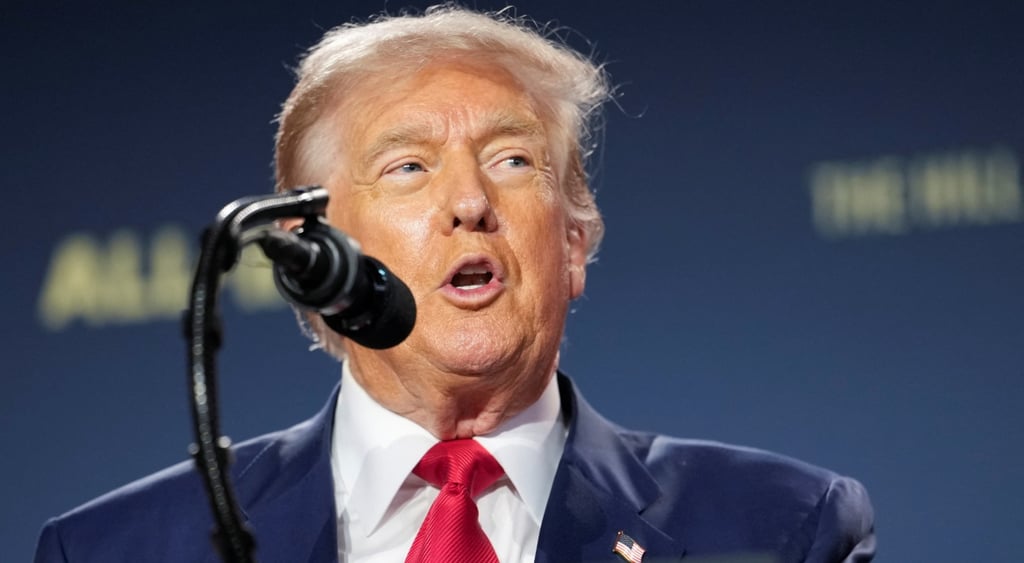
Prediction market users buy and sell stakes on the outcomes of future events, with prices reflecting the probability of each outcome occurring. For example, users can place bets on political outcomes, such as who will win the presidential election in the US. In 2024, Donald Trump’s odds of winning a second term stood at 58% on Kalshi and 53% on PredictIt.





The same principle applies to other world events as well, though they entail certain security risks, such as wash trading or disputes over which bet is deemed the winner if the outcomes are unclear. For example, determining whether legislation has been successful or not.
Spain, just like other European jurisdictions, considers prediction markets a form of gambling when bets are placed on uncertain outcomes.
The ministry said unauthorized operators lack the required technical and regulatory safeguards like identity verification systems, access control mechanisms for minors and for people who have self-excluded or are banned from gambling, as well as the standards needed to protect users.






Once a niche corner of the internet, prediction markets have mushroomed into a multi-billion-dollar industry after gaining a foothold in US politics in 2024.
Cybernews previously reported that Minnesota became the first US state to ban prediction markets and soon after faced a federal lawsuit.
Unlock more exclusive Cybernews content on YouTube.