Our (futile) quest to revive meaning in an AI-dominated world
AI is shoving an uncomfortable truth down our throats: we might not be as special as we think we are.

 Follow us
AI is shoving an uncomfortable truth down our throats: we might not be as special as we think we are.
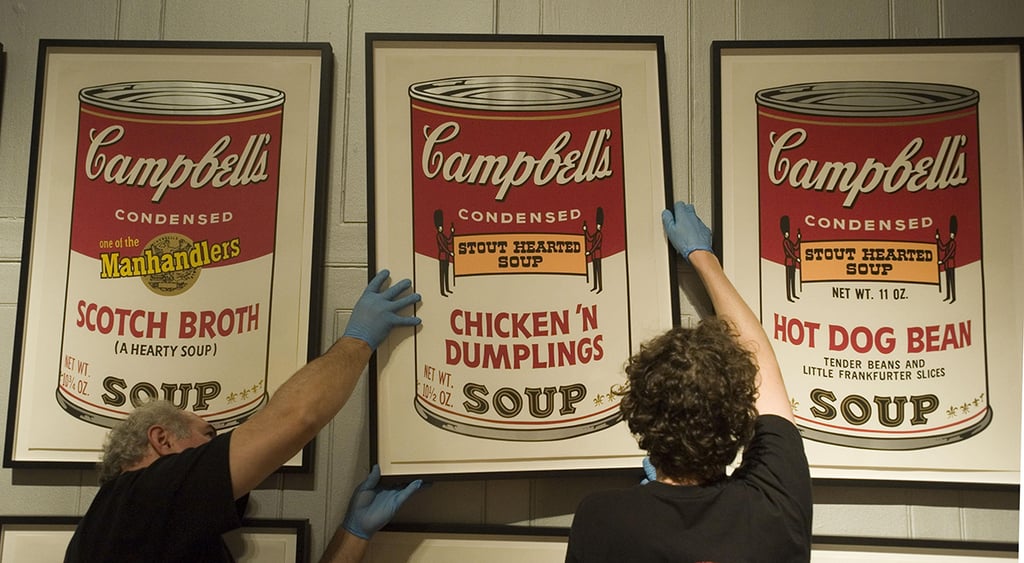
Andy Warhol boldly demonstrated that art can be mass-produced. He produced over 20,000 prints during his career, with many of them made by his assistants. Warhol, looked down upon, especially in his early career, by fine art purists, brought art closer to the masses, making money along the way and stripping it of meaning through endless repetition of objects.
“The more you look at the same exact thing, the more the meaning goes away, and the better and emptier you feel,” Warhol is quoted as saying.
Isn't that exactly what AI is doing? Challenging traditional notions of our originality?


We are all now working in a factory, scrambling to find anything AI can't yet replace, and resisting change out of fear that everything we produce is nothing more than a copy with no original value.
Jean Baudrillard discussed this in Simulacra and Simulation, arguing that symbols and media saturated with references to other media, rather than original content, create a "hyperreality" that we experience more deeply than the actual world.
“It is useless to dream of revolution through content, useless to dream of a revelation through form, because the medium and the real are now in a single nebula whose truth is indecipherable,” Baudrillard wrote.
Curious what others think about this story? Contribute your thoughts to the debate below.
He used another term that we could borrow to analyze today’s hyperreality – attempts to “revive the meaning.”
Besides the (seemingly) enthusiastic adoption of AI by some, there are many (worthwhile) attempts to curb AI’s inevitable reign. This past week, Cybernews covered several such initiatives, so I invite you to dive in and share your thoughts.
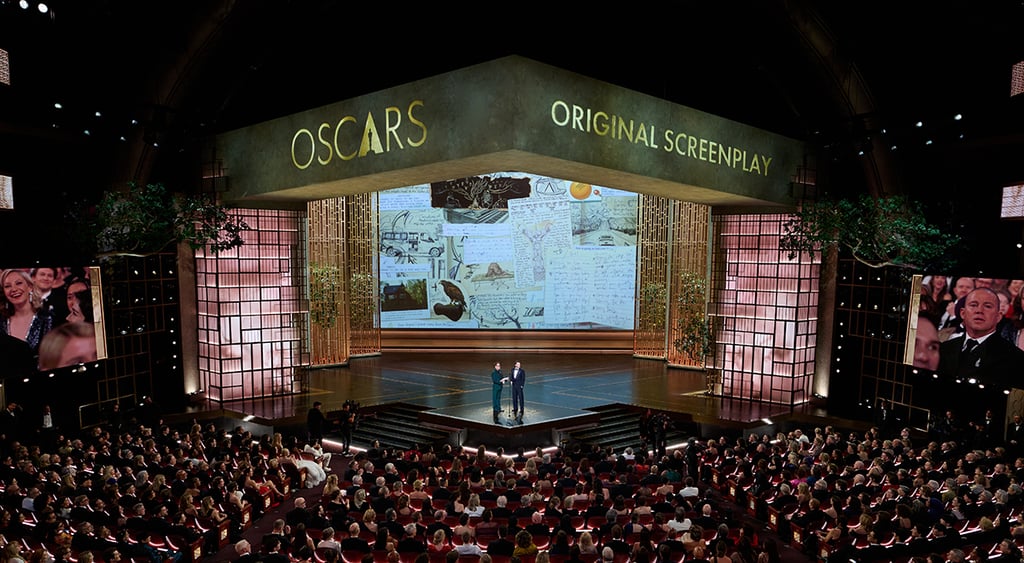
Oscars block AI-generated acting and writing from winning awards
The Academy of Motion Picture Arts and Sciences updated rules for the 99th Academy Awards, clarifying that acting and writing produced by AI will not qualify for Oscars.
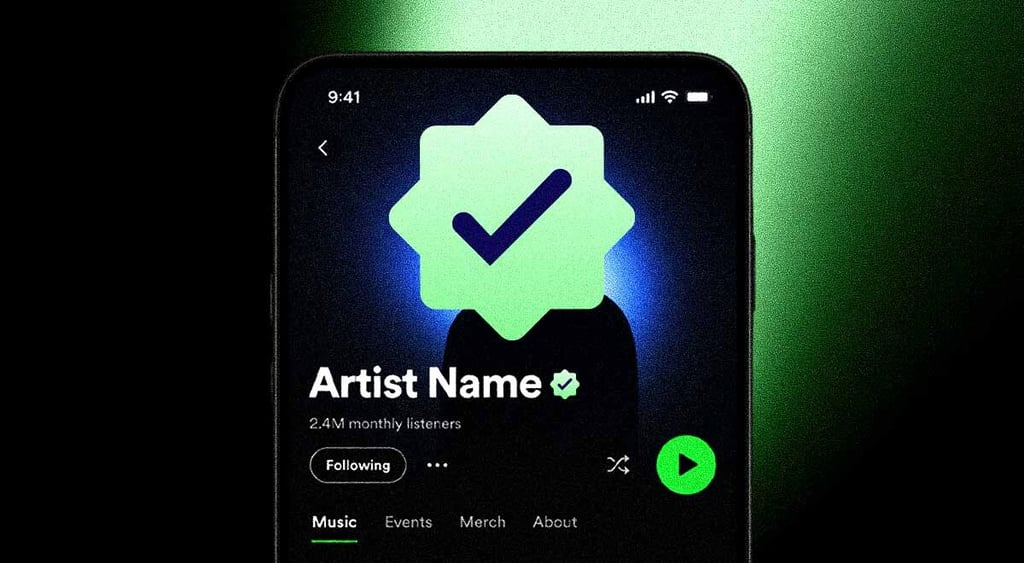
Spotify starts marking real artists with “Verified” badge amid rise of AI music
Spotify has introduced a new Verified badge to clearly show users when an artist is real, rather than AI-generated.
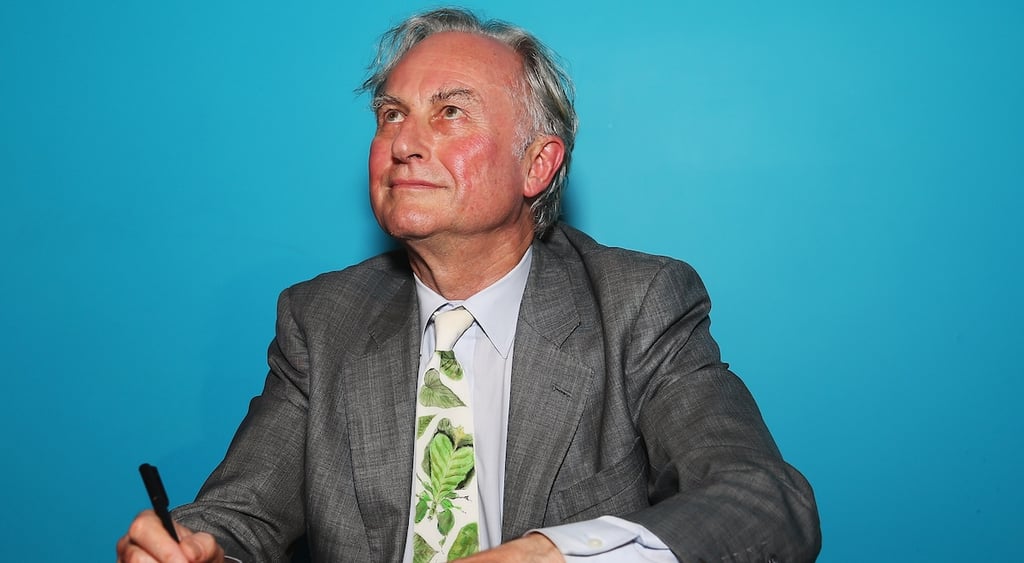
Atheist evolutionary scientist talked to Anthropic’s Claude for 72 hours and now believes it's conscious
An evolutionary biologist, sworn atheist, and author of The God Delusion claims that AI possesses consciousness after interacting with Anthropic’s Claude.