Weekly brief: dark LLMs, angry teens, and rage bait
The internet has become a strategic battlefield with no clear winner.


 Follow us
The internet has become a strategic battlefield with no clear winner. Criminals are harnessing AI to attack at scale, while governments scramble to shield the youngest users. For grown-ups, it can feel like everyone for themselves.
As usual, there was plenty of cybercrime news last week, with AI increasingly central to modern attacks.
It’s no surprise that threat actors use AI tools to polish the grammar of phishing emails and tackle more sophisticated tasks, such as writing code.
According to a new report, KawaiiGPT and WormGPT are making a comeback and helping to facilitate cybercrime. The silver lining: malware generated by these models is often highly detectable by security defenses – at least for now, according to cybersecurity experts.
What else happened in AI this past week:






Cybercrime, accelerated by AI, is countered by a rapidly tightening privacy rulebook. The “grossly excessive” law banning social media for kids and teens is set to take effect in less than two weeks in Australia.
Do teenagers want to be protected from dangers lurking on Snapchat, Instagram, Facebook, TikTok, and elsewhere? Maybe they do, but the cost of having all accounts deactivated is just too big for many of them.
Europe just might follow suit. The European Union wants to implement an EU-wide social media ban for kids under 16 years old.
The Europeans are insisting on urgent action to protect children from digital harms, as many kids apparently display problematic or even dysfunctional smartphone use.






If you care about the kids, keep reading:
Curiously enough, while many of us might feel like we are addicted to social media, new research claims that only very few of us actually meet the criteria for addiction.
But do I need a professional diagnosis to state with confidence that Instagram is making my anxieties worse?
Kids, when lectured about bad behavior, like to say, “he was teasing me.” We may then pretend to be grown-ups and advise them not to pay attention next time. But do we show a good example?
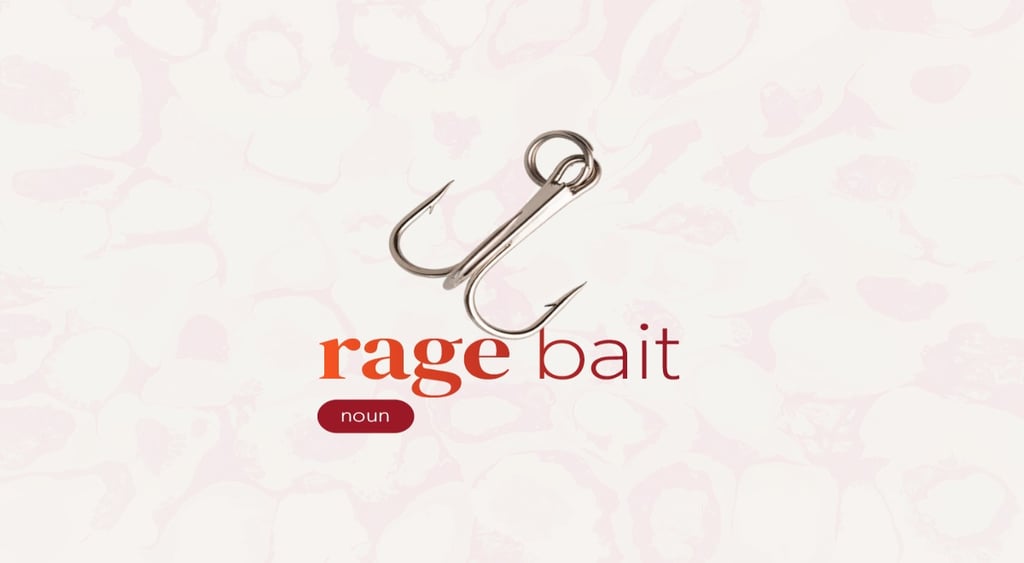
Rage bait is Oxford’s word of the year, and it perfectly sums up what is happening on social media. Here’s the official definition:
“ (n.)Online content deliberately designed to elicit anger or outrage by being frustrating, provocative, or offensive, typically posted in order to increase traffic to or engagement with a particular web page or social media account.”
How often do you swallow the bait?