Samsung Galaxy Watch8 Classic: Do you need a $550 device to check up on your health?
Intrigued by its new design, I wanted to see what else the latest Samsung watch had to offer.
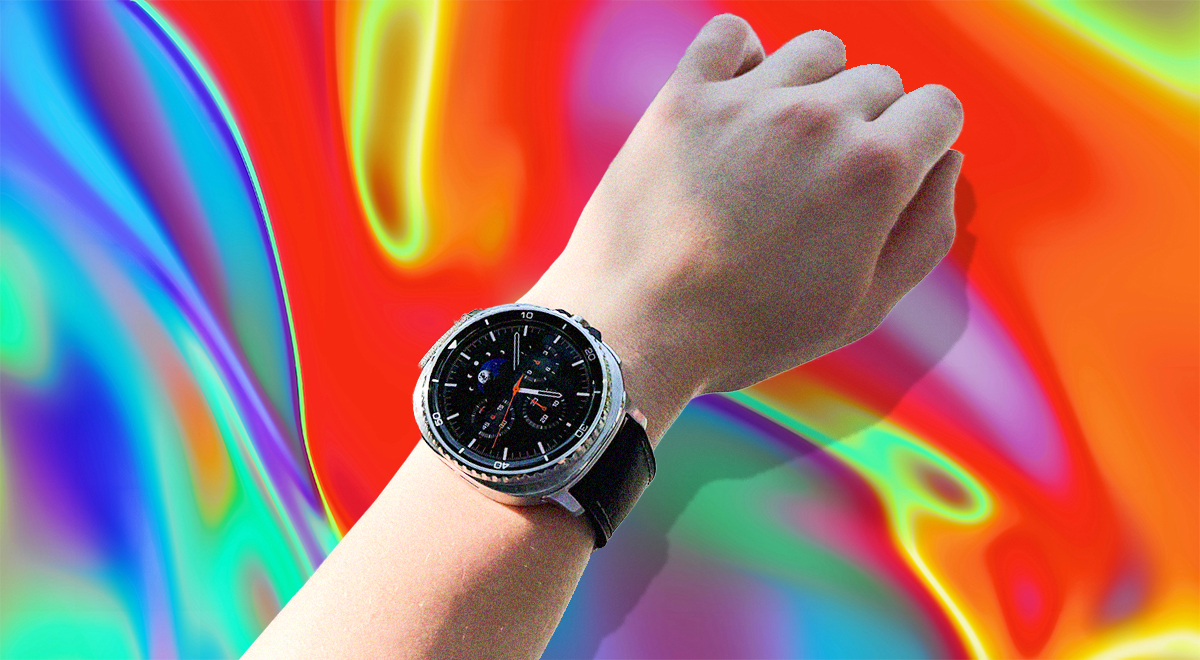
Image by Cybernews

 Follow us
Intrigued by its new design, I wanted to see what else the latest Samsung watch had to offer.
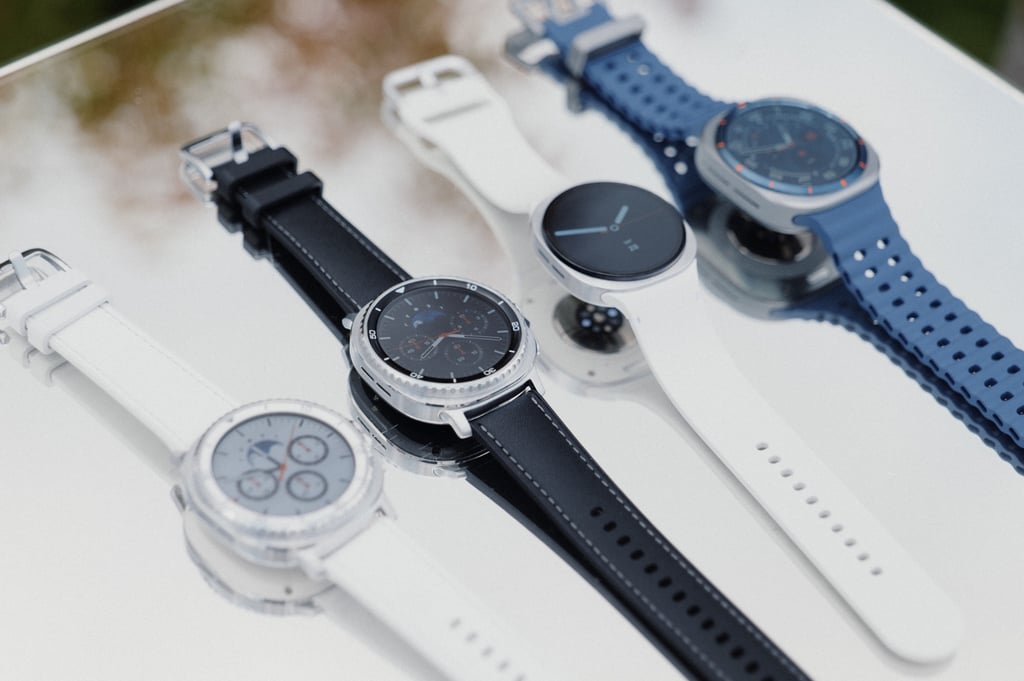
When Samsung announced its latest products, it included three new smartwatches: the Galaxy Watch Ultra and the Galaxy Watch8, with the new addition being the Galaxy Watch8 Classic.
Can the Galaxy Watch8 Classic's new design make up for its size?
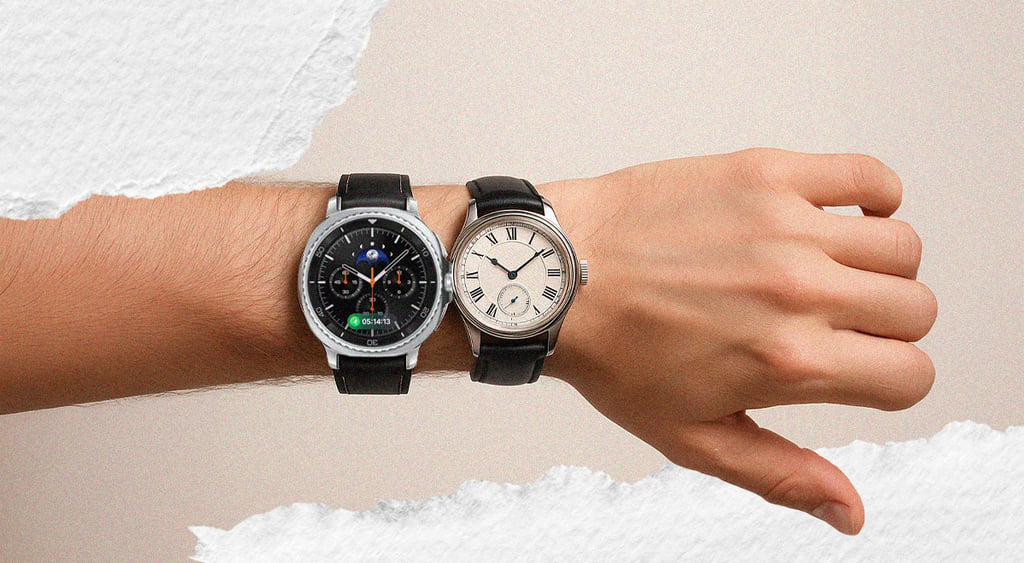
One key feature that makes the new Samsung smartwatch stand out from other watches is its design, which now resembles a classical mechanical watch. This used to be quite a common choice before smartwatches took over.
The design first caught my attention, even though the device’s size is 46 mm, which is quite big for my slender wrist. So, at first, I felt like I was wearing my father’s watch. Nevertheless, after a while, I got used to its size and started appreciating the fact that a smartwatch could not only be useful but also look good.





When it comes to selecting a smartwatch, I prioritize a few things. One of which is battery life, which I trust will not leave me high and dry while I’m on a hike or a run.
Samsung says its Galaxy Watch8 Classic can last around 30 hours with an always-on display and around 40 hours with it disabled, which allowed me to use the watch for around a day and a half.
I have to admit that I was hoping more from the watch’s battery life. For example, my four-year-old Apple Watch can only last a day without being charged, which isn’t great, and it tends to run down even faster if I’m using it while doing sports.
Remembering that I got to test the previous Samsung Galaxy Watch Ultra, I was curious to know how different its battery life is and whether the latest model includes a battery update.
It turned out that the new Ultra model can stay on for more than four days in power saving mode or for two and a half days with Always on Display (AOD) on.
I used the Samsung Galaxy Watch8 to see what’s wrong with my health, but made it classy
While one of the main reasons I use a smartwatch is to track my activity, this time, Samsung caught my attention with its health metrics.
Together with the Galaxy Watch 8 series, Samsung introduced the antioxidant index, body composition metrics, blood oxygen levels, and more.
Seeing how many devices, such as blood pressure monitors and pulse oximeters, people need to check on their vitals, I was interested in whether one smartwatch would be able to replace them all.
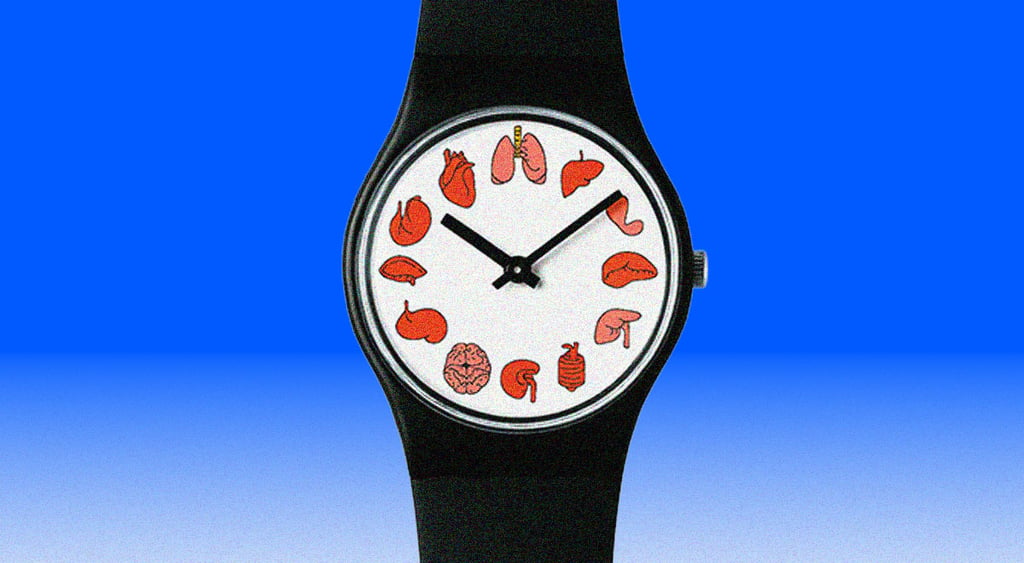
I started by measuring my Antioxidant Index, which, to put it bluntly, is supposed to tell you whether you’re consuming enough fruit and vegetables.
One of the things that got me curious was how you measured it, by taking your watch off and pressing your thumb for five seconds at the back of the watch to get the results.
I was quite surprised to see my results, which suggested that my intake was quite low, even though I knew that multiple factors could have impacted the results that day.
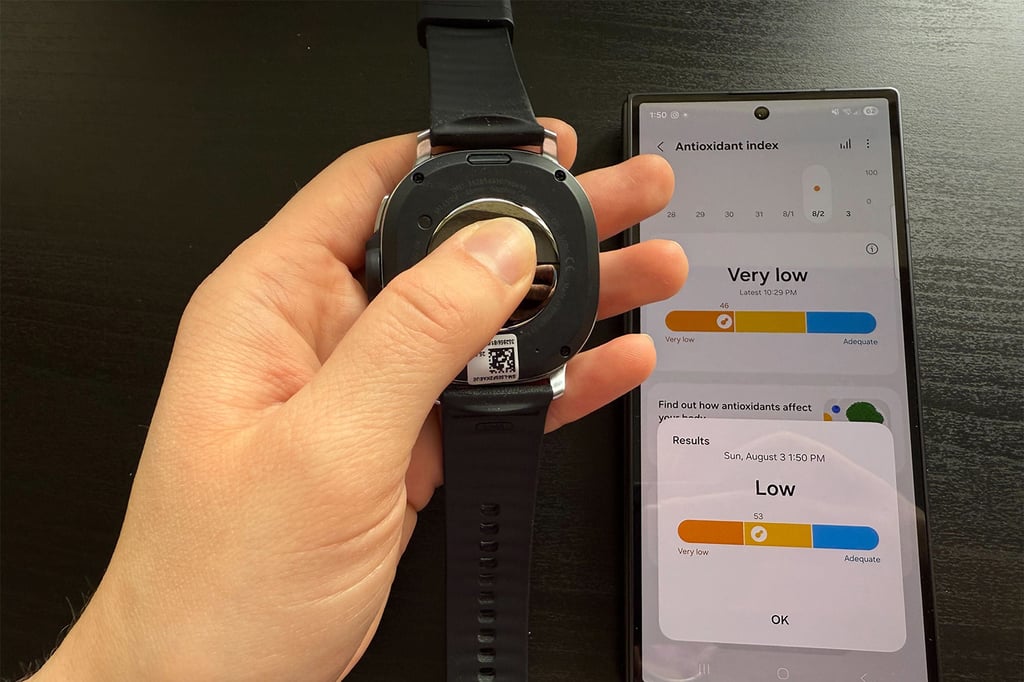
I had to remind myself that these measurements don’t reflect much on the actual situation and are only advisory, making me aware that maybe I should examine my dietary preferences.
Soon, I found myself scrolling through the watch, looking at what else I could test to learn more about my health.




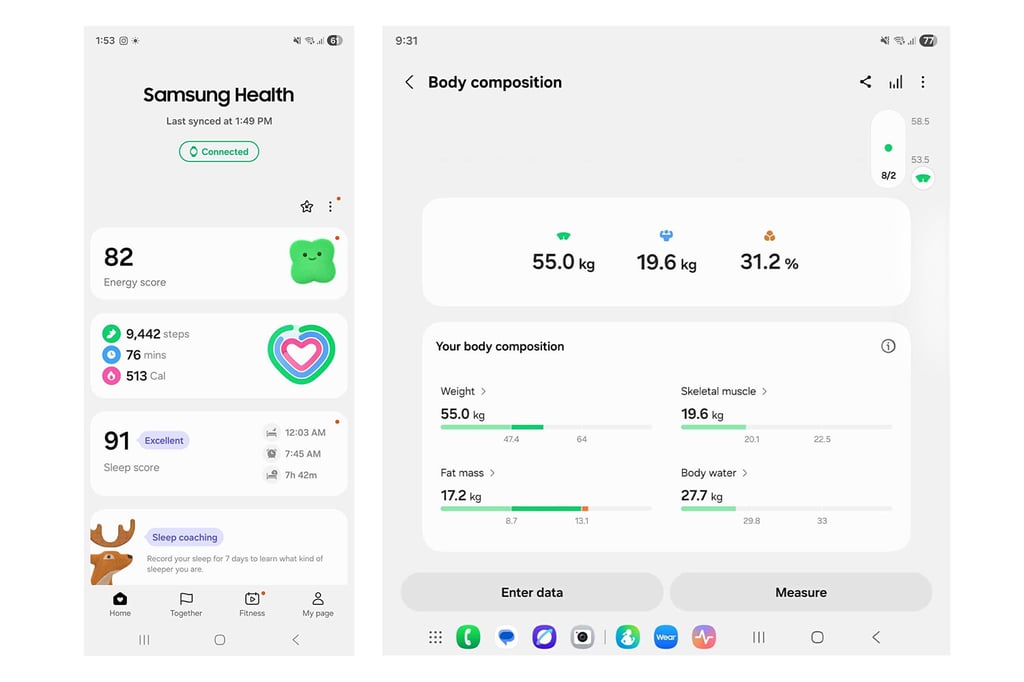
This is where I discovered that I can check my body composition, which includes information about my skeletal muscle and body fat percentage. All I had to do was stand up and lift my arms.
After a test, I once again found myself checking whether I was within “the norms,” wondering whether any of these measurements indicated that something was not quite right with my health.
I think it was during the COVID-19 pandemic that I learned about pulse oximeters, which measure blood oxygen levels and heart rate.
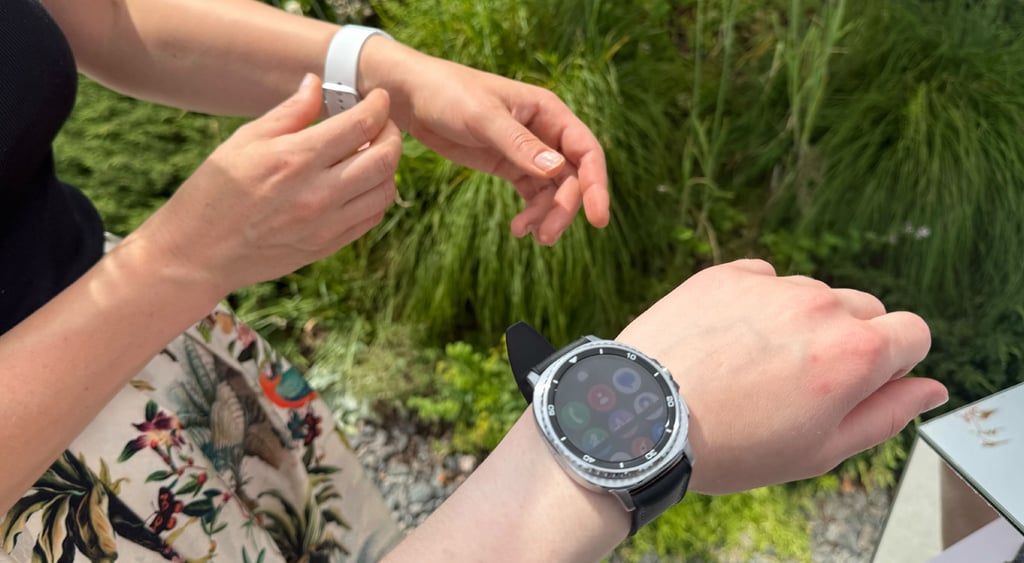
Samsung smartwatch also includes this feature, which required me to position my watch higher on the wrist, keep my elbow on a table and my wrist near my heart, while remaining still. However, even after a few attempts, the reading was unsuccessful.
It reminded me of the time I tried to use Samsung’s previous watch model for blood pressure monitoring, but couldn’t because it first required me to get my blood pressure measured through an actual blood pressure monitor.
It’s verdict o’clock
When it comes to the specifications of the Samsung Galaxy Watch8 Classic, what caught my attention was its classic design, which even made me want to forget the inconvenience of being a tad too big for me.
However, what I appreciate most in a watch is a solid battery life, which wasn’t impressive on this $550 model. But then again, for someone who is usually within reach of an electrical outlet, this shouldn’t be too much of a problem.
For a while now, I’ve been curious about how smartwatches will evolve in terms of health monitoring. The Galaxy Watch8 Classic provided me with an insightful preview, allowing me to check my antioxidant levels (I guess I will be adding pears to my diet), body composition, and other metrics, even if it's only for advisory purposes.