Bunkering down? Microsoft may redesign data centers for war zones
The war in Iran is at least temporarily over, but it could resume any day, as may Tehran’s retaliatory operations targeting big tech’s data centers in the Middle East. Microsoft thinks it’s time to rethink their design.
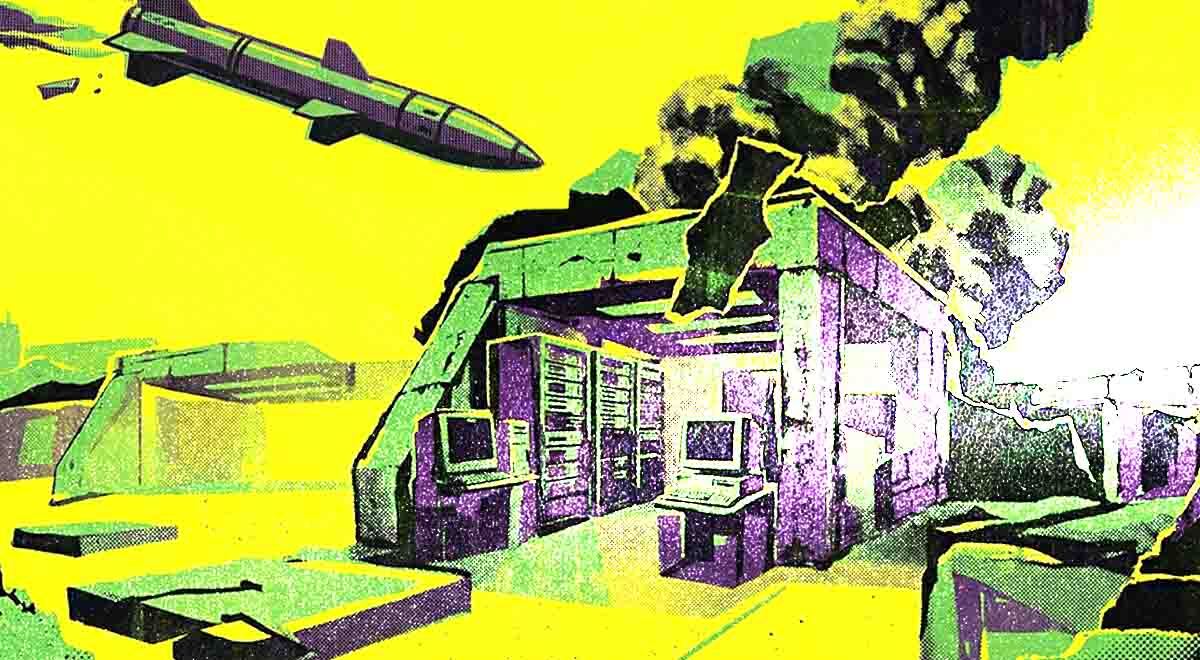
Image by Cybernews.

 Follow us
The war in Iran is at least temporarily over, but it could resume any day, as may Tehran’s retaliatory operations targeting big tech’s data centers in the Middle East. Microsoft thinks it’s time to rethink their design.
There’s no evidence that Microsoft facilities have been damaged since the US and Israel launched their attack on Iran in late February. But plenty of others were deliberately targeted in retaliatory hits.
One of AWS's facilities in Bahrain was damaged due to a drone strike in early March, and two other data centers were also struck by drones.
The Iranian Fars News Agency, which is close to the country’s armed forces, soon said that Tehran sent its drones to “deal a serious blow to the enemy’s technological and information infrastructure.”
It’s, of course, a stretch, but American big tech companies indeed appear to have been spooked.












In DC, insiders report that the broligarchs have been pushing the White House to at least pause or scale down the military campaign as big tech investments in the Middle East are under serious threat.
The criticism isn’t exactly public, but Microsoft has now openly spoken about the threat to data centers in conflict-prone regions.
The corporation’s president, Brad Smith, told Nikkei Asia that these attacks “will have some influence over time on the design and construction of datacenters, and it may not be the same everywhere.”
Some netizens have already been throwing around jokes about armored data centers, perhaps hidden in bunkers.
The two regional leaders, the United Arab Emirates and Saudi Arabia, see tech and AI as long-term national future industries, calling computing power the new oil.
However, Smith sounds very serious and indeed convincing. Large tech firms like Microsoft and Amazon have been bolstering their defenses against cyberattacks, but physical attacks via missiles or drones are a new and complicated challenge.
“Data centers are part of civilian infrastructure,” Smith said.
“There needs to be, in my view, strong international rules to promote the protection of civilian infrastructure.”
The two regional leaders, the United Arab Emirates and Saudi Arabia, see tech and AI as long-term national future industries, calling computing power the new oil.

Check if your data was exposed
Find out if your email and related personal information have appeared in known data breaches.
According to market research firm IMAEC Group, the Middle East’s AI market, valued at $6.6 billion in 2025, is projected to surge to $168 billion by 2034.
Microsoft announced in 2025 that it would roughly double its data center footprint over the next two years. The tech giant already operates facilities in the UAE, Qatar, and Israel, and plans to expand to Saudi Arabia later this year.
Iran can strike all of those server farms, now perhaps seen as having the same status as factories building bombs and warplanes, because big tech firms are all eager partners of the Pentagon – unless, of course, the war is over.
Unlock more exclusive Cybernews content on YouTube.