Thanks to ACLU, US lawyers will know if police used surveillance tech on their clients
Surveillance technology creates and perpetuates injustices across the legal system in the US, the ACLU says
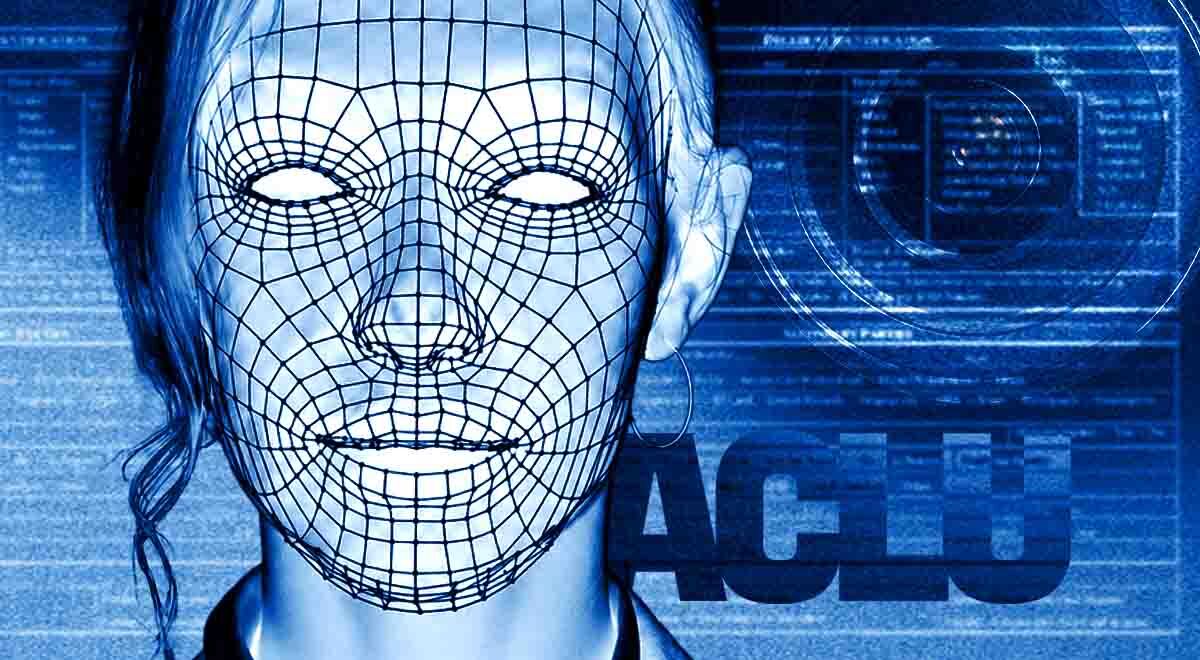
Image by Cybernews.

 Follow us
- ACLU Massachusetts has launched first-of-its-kind toolkit forcing prosecutors to disclose surveillance tech used against defendants
- Model motions cover facial recognition, license plate readers, stingray trackers, commercial location data brokers, and other similar tools
- Over a dozen wrongful arrests linked to erroneous facial recognition matches, disproportionately affecting Black and Latino communities
More often than not, criminal defense attorneys in the US have no clue whether police have built cases against their clients using surveillance technologies like facial recognition. But a new toolkit in Massachusetts is designed to uncover precisely this type of information.
According to the American Civil Liberties Union of Massachusetts, the toolkit is the first of its kind and is built around model motions that, when granted by a judge, will force prosecutors to reveal whether and what kind of tech was used against a defendant.
In other words, criminal defense attorneys – only in Massachusetts for now – will soon be able to adapt and use the motions to request specific information about law enforcement’s use of digital surveillance technologies.
The latter range from facial recognition to license plate readers to other location-tracking tools, such as controversial “stingray” phone trackers.





Has your password leaked?
This is, of course, all pretty theoretical, but lawyers should also be able to obtain access to location data sold by commercial data brokers and determine whether the cops used AI to draft their reports, the ACLU of Massachusetts said.
Law enforcement all across the country is using these powerful digital surveillance tools. But since police often don’t disclose their deployments, the ACLU has decided to make them.
“This practical litigation toolkit contains a library of model discovery and preservation motions, grounded in constitutional law, that criminal defense attorneys can adapt for cases involving various digital surveillance technologies,” explains the nonprofit organization.
“The model motions are designed to surface what happened before a defense attorney takes on a new client’s case to ensure that defendants have a meaningful opportunity to challenge evidence derived from technologies with documented error rates, questionable evidentiary reliability, racial disparities, or constitutional vulnerabilities.”
Since the famous US Supreme Court decision in Brady v. Maryland in 1963, American criminal law dictates that prosecutors are required to turn over all evidence that could help the defense.
Besides, the toolkit includes preservation motions, demanding that surveillance data be saved before potentially exculpatory information is deleted automatically – or on purpose.
Since the famous US Supreme Court decision in Brady v. Maryland in 1963, American criminal law dictates that prosecutors are required to turn over all evidence that could help the defense.
The motions aren’t freely available to all. Only verified criminal defense attorneys can request access to them.
Plus, the ACLU of Massachusetts itself warns: “These model motions are designed for the exclusive use of criminal defense counsel only as an informative tool. Model motions are not finalized documents for filing and do not constitute legal advice.”




Stay updated with our latest stories and follow us on social media
Be the first to discover new stories, ideas, and updates from our team.
Still, something clearly needs to change because already over a dozen documented cases of wrongful arrest in the US have been linked to erroneous facial recognition matches.
The National Institute of Standards and Technology also found that many facial recognition algorithms exhibit significantly higher false-positive rates for Black faces.
Similarly, data related to gunshot detection tools show the technology is both unreliable and concentrated in Black and Latino neighborhoods.
“Despite this record, defendants are routinely prosecuted without ever learning whether or how surveillance technology was used against them. These model motions are designed to help change that – one case at a time,” the nonprofit said.
