Pressure rising: European Parliament urges to ban social media for under-16s
Members of the European Parliament (MEPs) have called for the European Union to protect minors online and ban social media for under-16s. The ambition is mostly performative but still raises pressure on legislators.
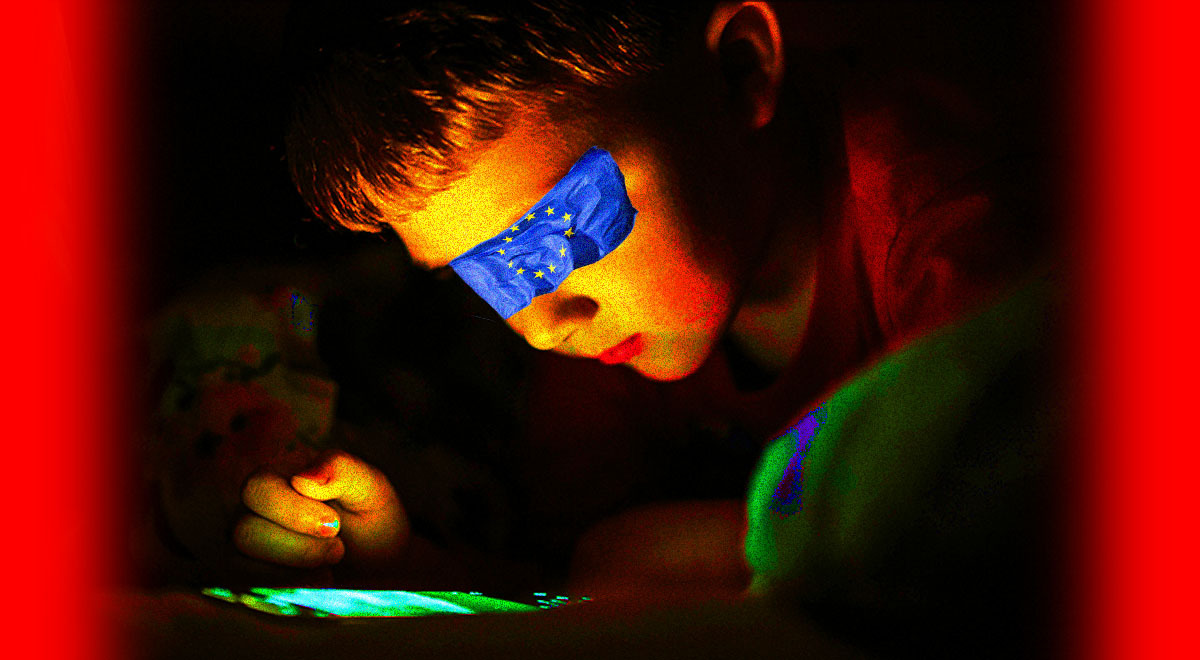
Image by Cybernews.

 Follow us
Members of the European Parliament (MEPs) have called for the European Union to protect minors online and ban social media for under-16s. The ambition is mostly performative but still raises pressure on legislators.
The MEPs passed a resolution by a large majority, expressing deep concern over the physical and mental health risks minors face online and calling for stronger protection against the manipulative strategies that can increase addiction and that are detrimental to children’s ability to concentrate and engage healthily with online content.
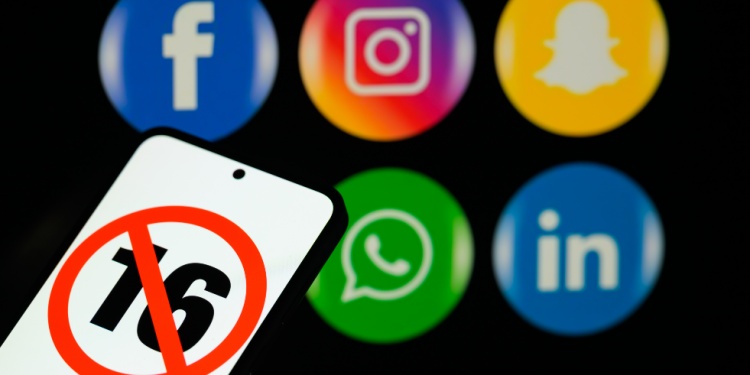
The key point of the report is a proposal for children under the age of 16 to be banned from using social media unless their parents decide otherwise.
“To help parents manage their children’s digital presence and ensure age-appropriate online engagement, Parliament proposes a harmonised EU digital minimum age of 16 for access to social media, video-sharing platforms, and AI companions, while allowing 13- to 16-year-olds access with parental consent,” the Parliament said in the press release.
The catch is that the resolution isn’t legally binding. Still, experts say that the vote will push the European Commission which is responsible for initiating EU law to adopt at least some guardrails.




“Together with strong, consistent enforcement of the Digital Services Act, these measures will dramatically raise the level of protection for children,” said Christel Schaldemose, the Danish Social Democrat MEP who drafted the resolution.
“We are finally drawing a line. We are saying clearly to platforms: your services are not designed for children. And the experiment ends here.”
In the resolution, Schadelmose calls for the default disabling of addictive features on internet platforms when used by minors, such as infinite scrolling, videos that automatically play, excessive push notifications, and rewards for repeated use of a site.
The report refers to research according to which 97% of young people go online every day and 78% of 13 to 17-year-olds check their devices at least hourly. At the same time, one in four minors display “problematic” or “dysfunctional” smartphone use.






Alarm over social media’s impact on children’s mental health has been growing globally, and in Australia a social media ban for under-16s is due to take effect next month.
Experts in France also said last year that children shouldn’t be allowed to use smartphones until the age of 13, and social media sites such as TikTok, Snapchat, and Instagram, until they were 18.
According to the 2025 Eurobarometer, over 90% of Europeans believe action to protect children online is a matter of urgency, not least in relation to social media’s negative impact on mental health (93%), cyberbullying (92%) and the need for effective ways to restrict access to age-inappropriate content (92%).
Unlock more exclusive Cybernews content on YouTube.