Europe warns it could be cut off from US AI at any moment
Europe’s reliance on US artificial intelligence is under added scrutiny this week, with policymakers warning that access to critical AI systems could be cut off or restricted on political grounds. The issue has dominated discussion at the G7 in France and VivaTech in Paris following new US controls on advanced AI models.
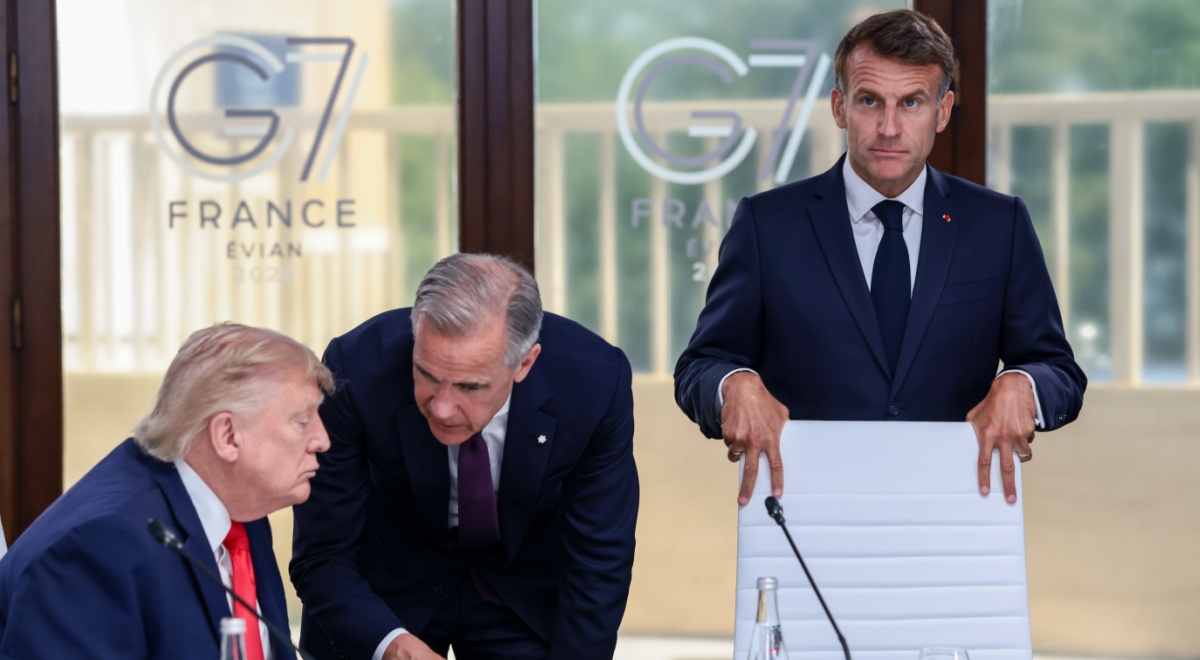
Donald Trump, Canadian PM Mark Carney, French President Macron. E. Hockstein-Pool/Getty.

 Follow us
Europe’s reliance on US artificial intelligence is under added scrutiny this week, with policymakers warning that access to critical AI systems could be cut off or restricted on political grounds. The issue has dominated discussion at the G7 in France and VivaTech in Paris following new US controls on advanced AI models.
- Europe warns US could cut off access to AI systems as tech tensions rise
- G7 and VivaTech talks expose Europe’s dependence on OpenAI, Google and US AI giants
- EU pushes tech sovereignty with plans for cloud, chips and AI “gigafactories”
- Europe races to build alternatives to US big tech as costs and dependence persist.
Key Takeaways by nexos.ai, reviewed by Cybernews staff.
The gatherings come days after the United States tightened restrictions on Anthropic's most advanced AI models for foreign nationals, underscoring Europe's vulnerability that political whims could derail its race to build domestic AI champions.
"Tech sovereignty will be top of mind this week at VivaTech," Ana Paula Assis, senior vice president at IBM, told Reuters.
"For European organizations to get this right, it is vital to understand sovereignty is about having control where it matters – not where the technology is from."




The debate reflects a broader dilemma facing Europe: how to maintain strategic autonomy while remaining dependent on American technology companies that dominate cloud computing, semiconductor design, and cutting-edge AI research.
The Group of Seven (G7) nations have gathered in Evian, France, where they are meeting top executives from the biggest AI companies, including Anthropic, OpenAI, Alphabet's Google, and Mistral, to discuss AI competitiveness, regulation, and reliance on China for critical minerals.
In Paris, over 180,000 visitors, including startups, investors, policymakers, and executives such as Amazon's Jeff Bezos, are expected to attend VivaTech, where discussions are likely to focus as much on geopolitics and policy as on the actual tech.
French startup Mistral, seen as Europe's leading AI contender, is doubling down on partnerships with European firms, particularly in industries where the region says it has an edge.
The company has previously been mentioned in a few tech swap lists, which are gaining popularity among those seeking to try out local alternatives to American big tech. Mistral has been touted as a possible replacement for Grok or ChatGPT.
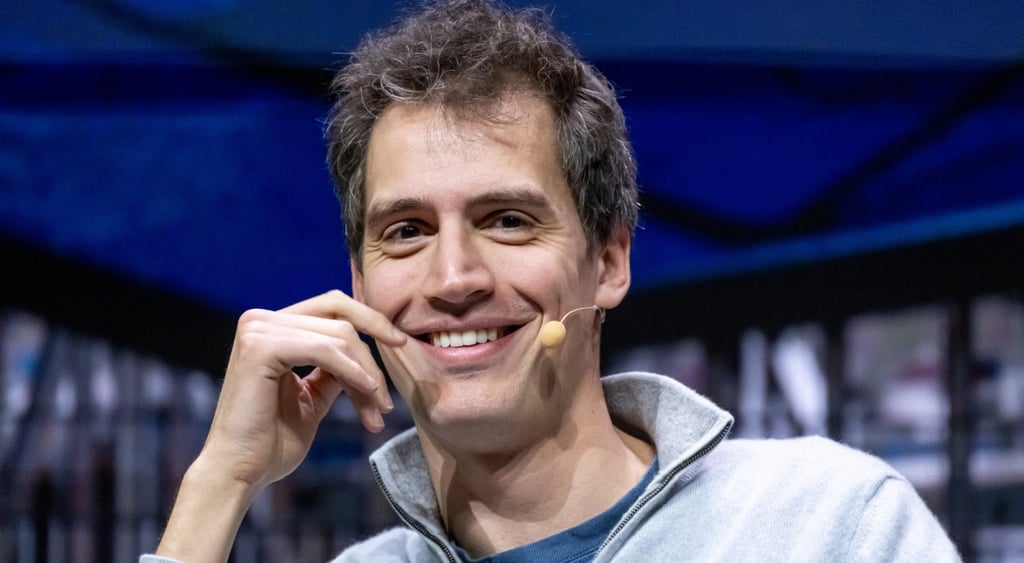
The company’s CEO has previously stated Europe has two years to avoid becoming America’s AI “vassal state.”
Despite billions of euros of investment, European AI firms continue to rely heavily on US-controlled cloud infrastructure, chips, and foundational AI models.
Europe moves to cut reliance on US cloud and chips
France has been a prominent supporter of European tech sovereignty, with the government increasingly looking to replace US providers in government services.
"We cannot rely on tools developed by foreign powers. France must have its own tools," said Prime Minister Sebastien Lecornu on Tuesday.
The European Commission is assessing the practical implications of the US export control directive and that measures should not be discriminatory against partners.
European policymakers have increasingly framed AI as a matter of economic and national security. The European Commission recently unveiled plans for AI "gigafactories" and large-scale computing infrastructure designed to provide the region with sovereign access to computing power.
One of the companies already planning to pitch an AI gigafactory idea to the German government is Schwarz Group, Europe’s largest retailer, which owns supermarket chains Lidl and Kaufland.
The European Commission has proposed laws to boost domestic cloud, AI, and semiconductor industries and cut reliance on US big tech, though critics say Europe remains years behind US rivals.






"It's patently clear, if it wasn't before, how important it is for Europe to have access to an AI service that it can control, that will never be switched off on a whim," said telecoms firm Orange in a statement.
For companies, boosting sovereignty comes at a cost, however, and they need to weigh that against a perceived risk, said Capgemini chief operating officer Karine Brunet, adding that European cloud alternatives require paying premiums of up to 40%.
"The alternative is not simply replacing one provider with another," said Francois Bitouzet, managing director of VivaTech.
"It is about building more resilient technology strategies, where companies can draw on European innovation for the most critical parts of their stack while still working with global partners where it makes sense."

So far, national European governments have taken initiatives to replace certain American applications with European alternatives. For example, the German state of Bavaria canceled a Microsoft contract to go open source.
The European Parliament will switch its search engine from Google to the French Qwant.
So far, one of the biggest EU tech sovereignty ambitions is the launch of Euro-Office – the old continent’s alternative to Microsoft Office and Google Docs.
Unlock more exclusive Cybernews content on YouTube.