Pennsylvania state senator denies profiting off data center deal as he pushes pro-big tech bill
The real estate agent turned senator promises he didn’t make any money off the data center deal.

AI written with money. Image by Cybernews.

 Follow us
- Pennsylvania Sen. Greg Rothman faces scrutiny over data center land deal and related tech legislation.
- Rothman denies involvement in the June 2025 sale, while a project executive says he was paid for earlier work.
- His Senate Bill 939 would help AI companies test products and speed data center development in Pennsylvania.
- The case highlights wider concerns that data centers raise power costs, strain communities, and increase surveillance fears.
Key Takeaways by nexos.ai, reviewed by Cybernews staff.
Greg Rothman, a Republican senator for the 34th district, allegedly earned an unknown sum after a real estate company he chairs sold a plot of land to a data center developer.
While Rothman claims he had nothing to do with the June 2025 sale, the company, RSR Realtors, which was founded by his father, did receive a fee for selling the land, according to local media.
An executive responsible for Pennsylvania data center development has corroborated Rothman’s claims that he had nothing to do with the sale.






Igal Feibush, the CEO of Pennsylvania Data Center Partners, which is dealing with the new AI digital hub, Pennsylvania Digital 1 (PAX-1), said that Rothman was paid for work before the deal closed, according to Spotlight PA.
Rothman, like other brokers and consultants, was paid for work he had done prior, claims Feibush, who is also a realtor and represented the seller.
The politician was listed as a broker for the property, which was originally put up for auction in 2017 under the name PennTerra. However, the listing fell through.
RSR has provided services and represented the previous owner of PennTerra over the course of 2 decades, but the real estate company has never been and isn’t involved with the PAX-1 project, Rothman told Spotlight PA.
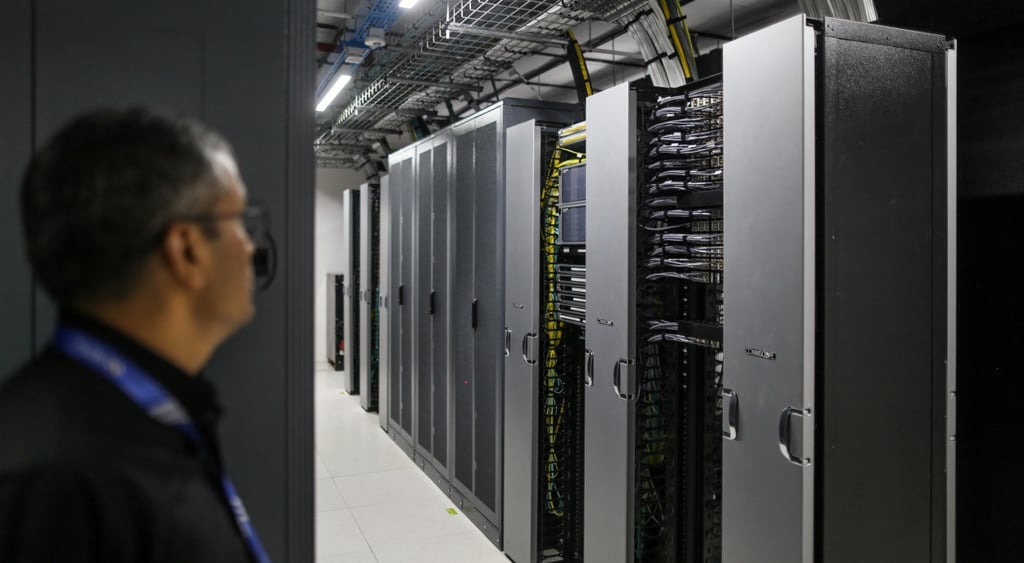
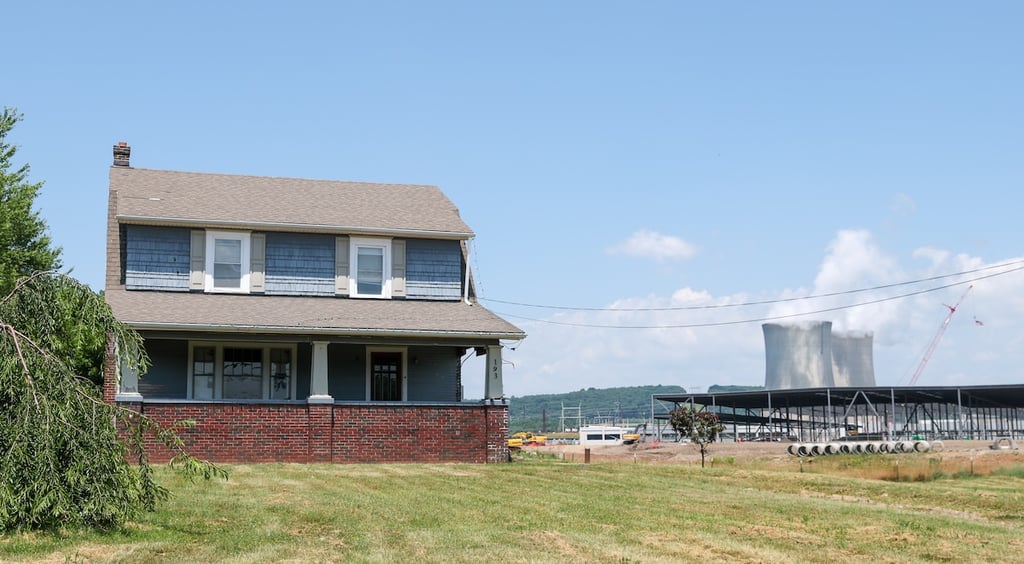
PAX-1 is a massive hyperscale data center development including three data center campuses over 4 million square feet across 700 acres in Middlesex Township, Cumberland County, Pennsylvania.
The data center is “designed to meet the growing demand for cloud computing and digital infrastructure,” according to the Pennsylvania government.
The lawmaker has been public about making Pennsylvania more attractive to tech companies and data center developers.
Rothman signed on as the primary sponsor of Senate Bill 939, which should make it easier for AI technology companies to work and test their products in Pennsylvania.

The law aims to create a specific government office, the Office of Transformation and Opportunity, to support potential tech companies seeking to expand their operations in Pennsylvania.
With this office, testing products and building data centers will speed up the process, making it less likely that tech companies will move to other states.
Not only does the bill aim to attract AI and technology companies to the state by allowing them to test their latest technology in a regulatory environment, but it also looks to speed up the development of data centers.
Rothman, being a career real estate agent as well as a state representative, seems to be involved in a conflict of interest.
It could be inferred that Rothman, who represents Pennsylvanians who may not want to live next to massive data centers, might use his real estate connections to secure plots of land for tech companies to develop data centers.
However, Rothman and others have denied accusations that the politician received payments for the PAX-1 project.
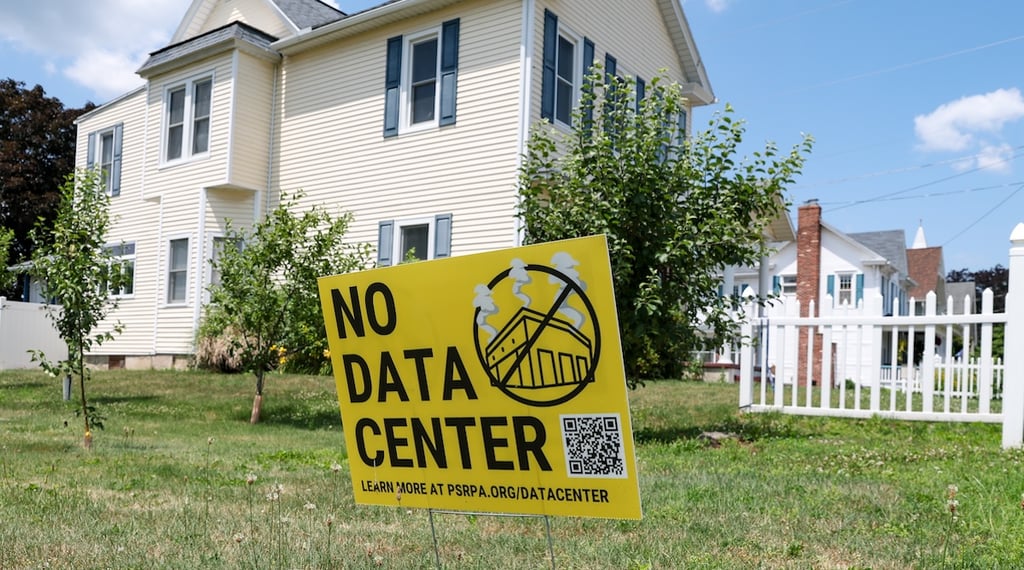
Neighbors don’t love data centers
While lawmakers see potential in data center development, and many are fighting to attract big tech names to build hyperscalers in their states, residents nearby have been left to deal with the consequences.
Residents across the US have been hit with rising electricity prices and contaminated water supplies due to living next to a data center they never asked for.
In Utah, residents protested a 9-gigawatt data center, and experts warned that this plan would negatively impact the community by gobbling up residents' power and emitting an enormous amount of waste heat.
Factories across the US are struggling to keep up with rising electricity costs driven by data centers.



Stay updated with our latest stories and follow us on social media
Be the first to discover new stories, ideas, and updates from our team.
But neighbors aren’t only worried about rising energy costs – they’re concerned that big tech is slowly becoming Big Brother.
Data centers, while not inherently bad, are being used by the wrong people to observe and analyze the behavior of nearby residents.
The debate is slowly shifting from environmental factors to the fear of being surveilled by big tech.