World in crisis: why is JD Vance talking about aliens and can you trust your code?
It’s been a whirlwind week for the world and here’s a recap of some of the stories you may have missed.
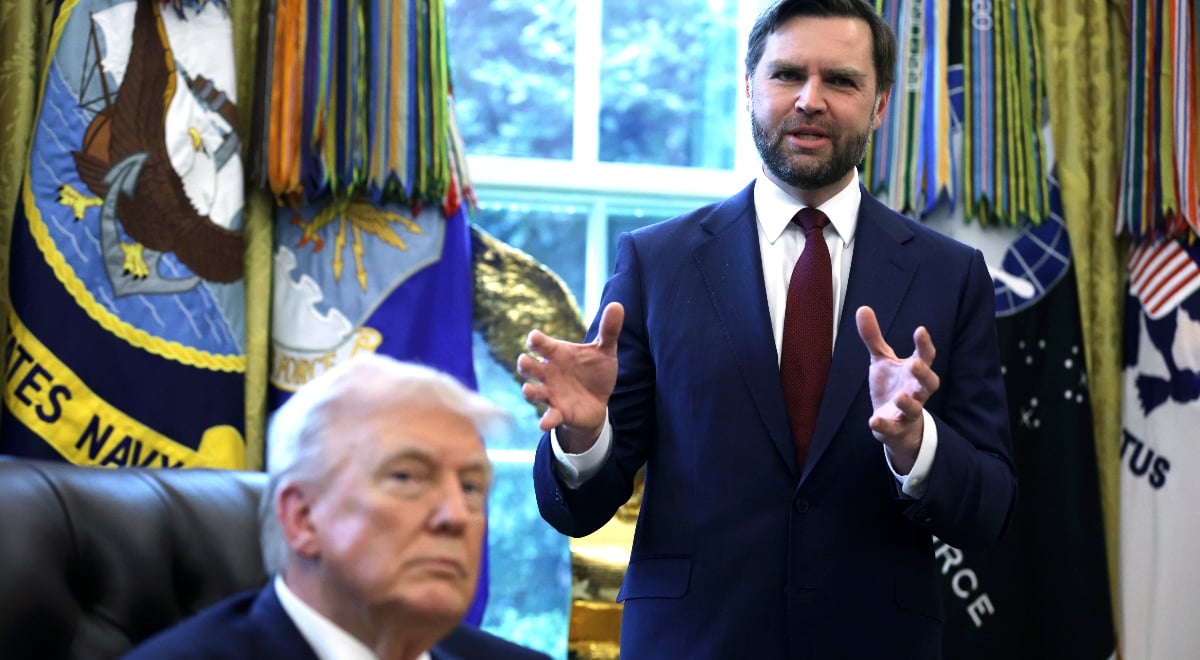
Vice President JD Vance. Photo by Alex Wong/Getty Images

 Follow us
It’s been a whirlwind week for the world and here’s a recap of some of the stories you may have missed.
As President Donald Trump wages his war of choice in the Middle East, he has his lieutenants, Defence Secretary Pete Hegseth and Secretary of State Marco Rubio at his sides, leaving Vice President JD Vance, of the baby head fame, with a somewhat diminished public role.
While the vice president relished lecturing Europe and scolding Ukraine for no reason last year, he seems to be deliberately keeping his distance on the Iran war, which isn’t popular with the MAGA base. And Vance will need its support if he wants to secure that Republican nomination for the 2028 US presidential elections.
Has your password leaked?
This frees up some time to attend conservative events where he can burnish his reputation and show up for his buddies with podcasts to discuss… aliens. In a bizarre interview for The Benny Show podcast a few days ago, Vance said he is “obsessed” with aliens but that he believes them to be (here comes another ellipsis)… demons.





Here at Cybernews, we loved the Oscar-winning K-Pop Demon Hunters as much as the next person, but Vance may be taking his fandom to the next level.
American algorithms? Non, merci
Speaking of Vance, Europe has been on a sovereignty journey after his big speech in Munich last year, looking for ways to wean off its dependence on the Big Brother across the Atlantic, both in terms of defence and technology.
Governmental organizations are increasingly switching from American service providers to local open-source alternatives, and there are now at least several new social media networks targeting Europeans tired of what one of their founders described as “dictatorship of foreign algorithms.”
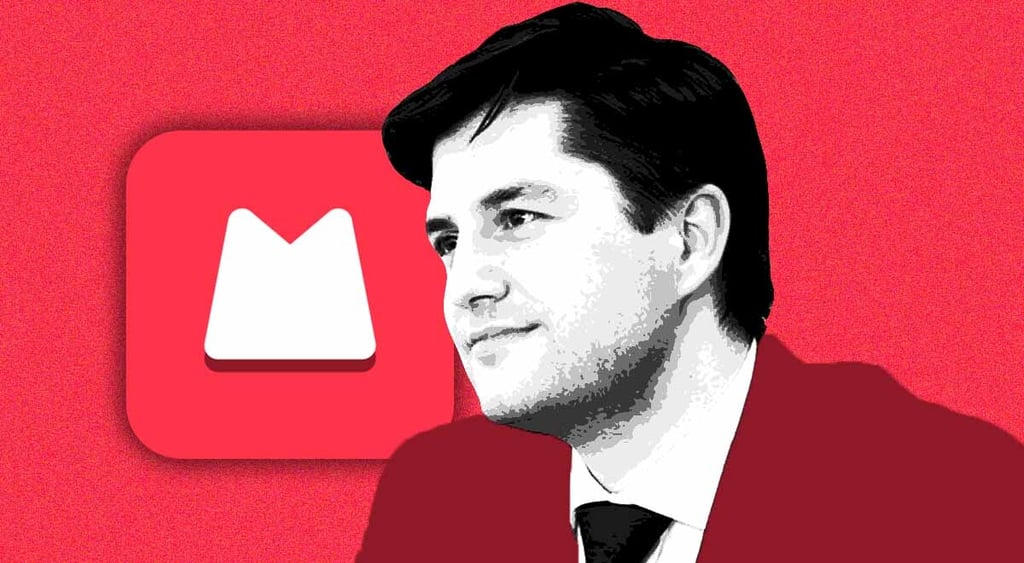
In an interview with Cybernews, Christos Floros, a founder Luxembourg-based Monnett Social, said the appeal of his platform, which currently has just over 50,000 users, is based on three pillars: no artificial intelligence, no surveillance, and no algorithms.
According to Floros, the US “clearly demonstrated that they will not allow foreign algorithms to determine what they citizens see” after acquiring TikTok, and Europe should do the same. On Monnett, the feed is chronological and prioritizes content from friends and followed accounts.
Simply, things that got us hooked on social media in the first place.
Open source crisis

And while “open-source” is now Europe’s favorite new buzzword, it carries its own risks. As we wait to see whether the Iran war turns into an energy crisis echoing that of the 1970s – or worse, another crisis is unfolding right in front of us.
If you were running, as you would, a routine Python pip update command on March 24th, you may have fallen victim to a malware attack that stole your credentials and crypto savings (ouch). A week later, an npm update could’ve dropped a trojan.






I would say you’re just unlucky, but experts warn of a “code trust crisis” amidst “raging” open source supply chain attacks. It means an attacker compromising a small developer and silently pushing a malicious update that gets pulled in by dozens of other packages that are then pulled in by hundreds more.
And then something that affects a small open-source service suddenly snowballs into a problem affecting millions of users. However, it’s not as bad as it sounds and there’re ways to protect yourself.
Sixty-year-old kids

Meanwhile, millions of Britons found themselves in a predicament after Apple rolled out its age verification update last week, locking out large numbers of users who failed to provide a valid credit card or a driver’s licence in a “child by default mode.”
The problem is that the UK doesn’t have a national ID system, a lot of people do not drive or own a credit card, and Apple won’t accept a passport as a way to verify age for reasons that remain unknown.
Have thoughts about this topic? Others do, too. Join them in the discussion.
This means that 60-year-olds were locked out from their devices because they couldn’t verify age, leading to a ridiculous situation completely of Apple’s own making. The company insists it simply follows UK laws, but critics note it “chose to go beyond what the law demands and then told users the law made them do it.”
With US tech companies largely critical of regulation in Europe, one might even suspect Apple went far and beyond to make a point and steer people’s anger towards their government. Or it simply messed up – happens to the best of us.
Unlock more exclusive Cybernews content on YouTube.