The best Pulsetto alternatives: top VNS devices worth trying
Being behind major reports like The Mother of All Breaches and RockYou2024, our in-house cybersecurity experts and journalists provide unbiased, real-world testing and in-depth analysis.
We maintain complete transparency by openly sharing our testing methodologies with our audience.
Learn more
According to Gallup’s 2023 Global Emotions Report, about 49% of Americans experience stress daily. In the past few years, those numbers have increased, leading many to resort to wearable wellness products. For those who are not keen on taking daily medication, these non-invasive devices make for a perfect alternative.
As the market leader, Pulsetto brings some of the best features all packed into a single device. The brand established itself as a manufacturer of neck-worn wearables for vagus nerve stimulation, with a neat app and a rather affordable price.
Still, for users looking for a non-electrical device or those who prefer ear-based stimulation, exploring other options makes a lot of sense.
That’s why I’ve created this guide on the best Pulsetto alternatives to help you find your pick. Together with my team of Cybernews researchers, I’ve explored options like Nuropod, Hooles VeRelief Prime, Sensate, and ZenoWELL to bring you all the details.
4 Pulsetto alternatives – shortlist
- Nuropod – best evidence-based taVNS device
- Hoolest VeRelief prime – top high-intensity VNS stimulation product with 5 modes
- Sensate – great option for infrasonic sound vagus nerve toning
- ZenoWELL – most affordable Pulsetto alternative


Our team of in-house researchers, writers and editors reviews and analyzes health tech products using a research-driven approach. We gather data from multiple sources, fact-check all information, and conduct our research based on peer-reviewed studies, expert opinions, consumer ratings, and regulatory approvals.
You can learn more about how we test health tech products here.
Pulsetto alternatives compared
We’ve got a lot of head-to-head comparisons to go over in this guide, but first, let me give you an initial idea of how these stack up against Pulsetto:
| Brand | Nuropod | Hoolest VeRelief Prime | Sensate | ZenoWELL |
| Technology used | Ear-based vagus nerve stimulation | Handheld VNS | Vibroacoustic stimulation | Ear-based VNS |
| App integration | ❌ No | ❌ No | ✅ Yes | ❌ No |
| Money-back guarantee | ✅ Yes (30 days) | ✅ Yes (30 days) | ✅ Yes (90 days) | ✅ Yes (30 days) |
| Warranty | ✅ Yes (2 years) | ✅ Yes (1 year) | ✅ Yes (1 year) | ✅ Yes (2 years) |
| Standard product price | From $810 | From $199 | From $299 | From $328 (ZenoWELL Vita) or $409 (ZenoWELL Luna) |
| Best for | Research-based alternative, post-workout relaxation, performance improvement | 5 modes designed by biomedical engineers, clinically-backed VNS | User-friendly design, vagus nerve toning | Deep relaxation, headache relief, sleep quality improvement |
4 best Pulsetto alternatives
Now that you’re familiar with my shortlist of the best Pulsetto alternatives, it’s about time we discussed each in more detail. I’ll present you with all the nitty-gritty regarding their features, pricing, and specs to help you figure out which comes close to, or beats, Pulsetto on your own:
1. Nuropod – best evidence-based taVNS device
| Device name | Nuropod |
| Key features | Auricular (ear-based) VNS, 45 intensity level adjustments |
| Free trial | No (30-day money-back guarantee available) |
| Pricing | $810 |
| Best for | Users looking for a gel-free and clinically-backed operation |
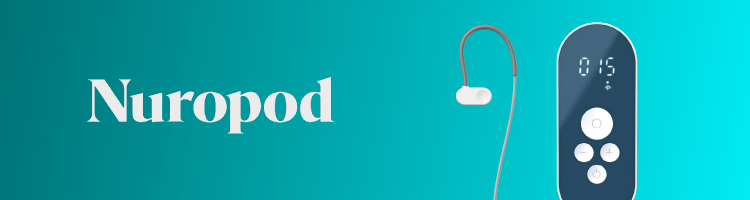
Nuropod is a handheld vagus nerve stimulation device that connects to an earpiece clipped to the tragus of your left ear. It’s where the auricular branch of the vagus nerve is, and Nuropod targets it via precise electrical impulses.
It’s said to trigger the “rest and digest” response, which in theory leads to better relaxation, lower heart rate, and less stress. It doesn’t require a conductivity gel, which is a good thing for those who don’t want to make a mess. Perhaps the biggest benefit is that Nuropod has been clinically tested by over 100 US institutions, including UCLA and Harvard.
2. Hoolest VeRelief Prime – best pick for high-intensity stress and panic relief

| Device name | Hoolest VeRelief Prime |
| Key features | Handheld multi-nerve stimulator, 5 stimulation modes, no app required |
| Free trial | No (30-day money-back guarantee available) |
| Pricing | From $199 (device only) |
| Best for | Users in need of fast pain relief |
Similar to Nuropod, Hoolest VeRelief features a handheld design; only with this one, the tips of the device are pressed directly against your neck. While it might become a bit tiring to hold it yourself after a while, short, 30-second sessions should be enough to calm your nervous system.
What I especially liked about this device is its multi-function operation. You can press it against the side of your neck, below the earlobe, to target the branches of the vagus nerve or the trigeminal nerve on your forehead for headache relief. It comes with 5 different modes and intensity settings: Calm, Focus, Sleep, Anxiety, and Performance. Their intensity ranges from 8Hz to 100Hz.
3. Sensate – top non-electrical Pulsetto alternative

| Device name | Sensate |
| Key features | Infrasonic vibration, companion app with free soundscapes, no gel or electricity required |
| Free trial | No (90-day money-back guarantee included) |
| Pricing | From $299 |
| Best for | Users looking for a non-electrical and vibration-based relaxation device |
Sensate is one of the most unique options I’ve found on the VNS market in 2026. It’s not a vagus nerve stimulator in a traditional sense. Instead of sending electrical impulses, it uses infrasonic vibrations, which travel quickly through the bone conduction and reach the pathways of the vagus nerve.
You simply place it in your chest cavity, and the vibrations resonate to activate the parasympathetic nervous system. The lack of electrical current makes it one of the safest options on my list, especially for users with pacemakers, cochlear implants, and cardiac conditions.
4. ZenoWELL – best sleep-focused Pulsetto replacement

| Device name | Two optional devices – ZenoWELL Vita and ZenoWELL Luna |
| Key features | No app or subscription required, three modes (VIta model) or four modes (Luna model), 4-hour battery |
| Free trial | No (30-day money-back guarantee available) |
| Pricing | ZenoWELL Vita: from $328; |
| Best for | Users focused on sleep improvement and app-free use |
ZenoWELL features two VNS devices, ZenoWELL Vita and ZenoWELL Luna. The Vita model is a lower-budget one. It includes a handheld device with alleged deep relaxation and sleep improvement functionalities.
The earpiece stimulates the auricular part of the vagus nerve and comes with 3 modes: Sleep, Relax, and Meditation. The Luna model is more of an upper-shelf solution with the addition of the fourth Relief mode, which is said to be effective against headaches and chronic pain. Short sessions of up to 20 minutes make it a viable competitor to Pulsetto, while the 4-hour battery life makes it a great carry-on option.
Our methodology
When testing these devices, I compared them to Pulsetto based on available clinical studies and manufacturer papers. I came up with this criteria, but keep in mind that the effectiveness might vary from one person to another:
- Scientific credibility and research backing (25%). I evaluated the availability of scientific studies related to the VNS capabilities of all devices. I reviewed independent tests, placebo-controlled studies, and reports from major US health institutions.
- Stimulation effectiveness & feature depth (20%). I assessed the range of stimulation modes and intensity options for each.
- Ease of use & setup (20%). Vagus nerve stimulation should be accessible to everyone, so I also focused on ease of setup and the learning curve.
- Design & wearability (15%). Form factor and comfort during sessions are vital when choosing a VNS device, especially if longer sessions are recommended.
- Pricing & value for money (10%). I also compared devices based on the total cost of ownership, including gel, tips, and app subscriptions.
- User sentiment consistency (10%). Finally, I checked customer reviews across numerous platforms and forums for real-world feedback.
What is Pulsetto and how does it work?
Pulsetto is a non-invasive vagus nerve stimulation device that users place on the back of their necks. Through electrodes, it stimulates both sides of the nerve at the same time. Users can choose between two options:
1. Pulsetto Standard
At $278, the classic Pulsetto device is a neck-worn wearable that uses a bilateral electrode to stimulate the left and right branches of the nerve. It requires a conductivity gel for contact and pairs with a free app that users claim is very efficient for pre-designed stimulation programs covering stress, anxiety, sleep, burnout, and more.
2. Pulsetto Fit
The Fit model works best for users with smaller frames. It features soft padding for a comfy and adjustable fit. With a 20% longer battery life compared to Standard, it’s more of a travel-friendly option, but it comes with a slightly steeper price tag of $296.
Key Pulsetto advantages:
- Bilateral stimulation targets both sides of the vagus nerve at the same time, which can’t be said for handheld devices.
- Hands-free operation allows the user to fully relax.
- The strong consumer app ecosystem includes guided programs, meditations, breathing exercises, and more.
- The prices for both devices are competitive, and they can be shipped worldwide.
Why look for a Pulsetto alternative?
In terms of claimed VNS efficiency, Pulsetto ranks near the top of its category. Still, when choosing an alternative, it’s all about the personal feel and requirements. Here’s a summary of the key reasons why users look for one in the first place:
- Placement preference. Pulsetto uses neck-based (cervical) stimulation; however, ear-based (auricular) devices like Nuropod or ZenoWELL may suit some users more.
- Research credibility. Users interested in peer-reviewed research might choose alternatives like Nuropod, as it was tested in over 50 independent studies by renowned US institutions.
- Gel-free experience. Since Pulsetto requires gel for every session, options like Nuropod (water-only) and Sensate (no gel or water requirements) might be more convenient.
- Non-electrical option. Sensate doesn’t even use electrical impulses for VNS but rather non-electrical vibroacoustic resonance, which is claimed to be a safer option for people with cardiac sensitivities.
- Handheld vs wearable. Hoolest VeRelief Prime is designed for short, high-intensity sessions, which some users might find more suitable than wearables like Pulsetto.
- Price sensitivity. Pulsetto alternatives typically range from $199 to $900. Some users may go for a lower-entry-point device.
- Hands-free requirement. Some users simply prefer holding the device, so it’s all about personal preference here.
Note: Based on the research my Cybernews team and I have done, the right alternative depends on which feature you feel Pulsetto is lacking. Identifying that gap is the best place to start, which is also why I’ve matched each option to specific user needs.
Neck vs ear vs chest: which VNS placement is right for you?
The Pulsetto alternatives I’ve reviewed in this guide have different placement requirements and stimulation approaches. Here’s some background to help you understand why it can be so important:
- Cervical (neck) stimulation – Pulsetto. My reference device for this guide, Pulsetto, targets the vagus nerve at a cervical level. With its bilateral neck wearable design, it stimulates the main nerve trunk running through the neck. This enables the simultaneous stimulation of the left and right nerve branches. Though it’s hands-free, it requires gel and is most effective for below-the-neck functions.
- Auricular (ear) stimulation – Nuropod, Hoolest, and ZenoWELL. These devices aim for the auricular branch of the vagus nerve, which is only accessible via the body’s surface. This sort of stimulation is more clinically backed and peer-reviewed, which gives users some reassurance. It's claimed to be the best option for brain-focused outcomes like anxiety reduction, mood regulation, and sleep enhancement. Fun fact: most studies (over 65%) target the left ear.
- Vibroacoustic (chest) stimulation – Sensate. Alternatives like Sensate don’t use any electrical current. Instead, they work through vibrations in the chest cavity, which then spread through the vagus nerve pathways via resonance. They don’t require precise placement and are generally considered the safest form of stimulation.
While none of these devices are universally superior, their placement dictates the stimulation performance and outcome. Each user should pick what suits their preference best.
Safety and who should avoid vagus nerve stimulators
While VNS devices might help relieve stress and improve sleep, the results vary by individual. These are not medical devices suitable for stress treatments in medical conditions, so make sure to contact an expert if you’re suffering from a serious condition.
If you decide to go down this path, you should start with short sessions and gradually increase the intensity. Some general contraindications for all electrical devices include implanted electronic devices, pregnancy, neurological or skin conditions, and a history of vasovagal syncope.
As for each individually, Pulsetto and ZenoWELL should be avoided if you have any skin irritation in the neck or ear areas, while Hoolest VeRelief Prime’s high-intensity setting isn’t recommended for beginners. Nuropod is the most rigorously tested device on this list, with the FDA’s non-significant risk designation, while Sensate has the broadest safety profile due to its vibration-based operation.
Bottom line: which Pulsetto alternative is the best?
All the information I’ve given you in this guide means nothing if you don’t consider your individual health requirements and preferences. I’d say that Pulsetto remains the best choice if you want two-way neck stimulation with a polished app experience.
On the flip side, choose Nuropod if you prioritize clinical research or scientific credibility. Hoolest VeRelief Prime is the best alternative to those who need fast-acting relief for panic or high-stress moments, while Sensate makes it to the top of the list in terms of non-electrical vagus nerve toning with guided meditation and free soundscapes.
Finally, choose ZenoWELL if you prioritize sleep improvement and auricular VNS without the hefty price that Nuropod comes with. Make sure to consider individual comparisons like Pulsetto vs Sensate to make your final verdict. As one final reminder, I’d also recommend keeping up with the latest products in the field through comparisons like Nurosym vs Pulsetto and similar devices.
Other reviews you might be interested in:
Pulsetto vs Truvaga: which vagus nerve stimulation device is better?
Pulsetto vs Sensate: which vagus nerve stimulation device works better?
Pulsetto vs Apollo: which wellness wearable is a better fit?
FAQ
What is the best alternative to Pulsetto?
The best alternative to Pulsetto depends on your needs: Nuropod is a top choice for those prioritizing clinical research backing, while Hoolest VeRelief Prime is the best high-intensity option. Sensate is ideal for those seeking non-electrical use, while ZenoWELL makes the best sleep-improvement alternative.
Is auricular (ear) vagus nerve stimulation better than neck-based stimulation?
Neither approach is universally viewed as superior. Auricular stimulation has a larger body of peer-reviewed clinical research, while neck-based stimulation targets the main vagus nerve trunk to enhance gut-brain axis function.
Can vagus nerve stimulators help with sleep?
Multiple studies suggest that nerve stimulators improve sleep, including Pulsetto’s own 2025 study. However, these devices are not medically approved, so such claims should be taken with a grain of salt.
Are vagus nerve stimulators safe to use every day?
Most VNS devices are claimed to be safe for everyday use. However, it’s always best to consult a medical expert regarding your particular health condition and start with low intensity.
What is the most scientifically validated vagus nerve stimulator?
Nuropod is the most scientifically validated vagus nerve stimulator with over 50 independent and peer-reviewed studies. These include works published by Harvard, UCLA, and the University of Chicago.