Best Android smartwatch in 2026: top picks and what to look for

Choosing the best Android smartwatch is less about finding a single perfect device and more about matching the watch to how you actually use your phone. Android users usually care about notifications that work reliably, smooth app support, accurate health tracking and battery life that fits daily routines. Those priorities shift depending on whether you use a Samsung phone, a Pixel, or another Android device.
I worked together with the Cybernews research team to review manufacturer specifications, software support policies, Wear OS versions and aggregated user feedback from major retailers and forums. This guide reflects how these watches perform in real ownership, what users consistently praise or criticize and which models make sense for different Android users.
Best Android smartwatch – shortlist
Many Android users compare smartwatches by looking at different brands, sizes and price tiers side by side, while also paying close attention to how models perform in everyday use based on long-term user feedback.
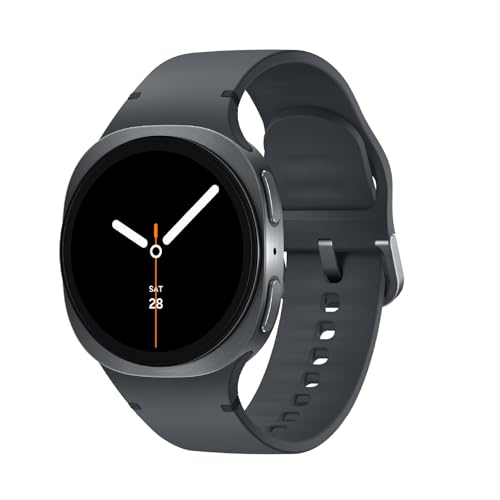
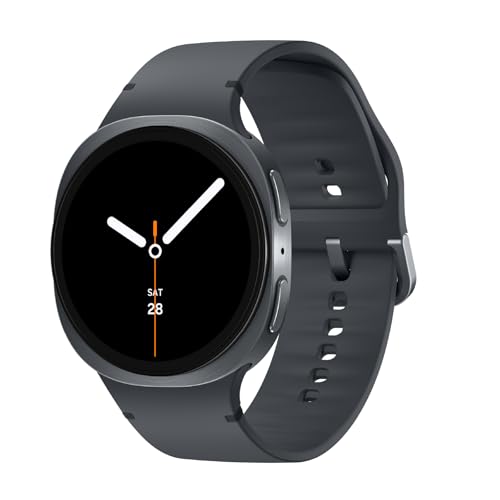
- Samsung Galaxy Watch 8 (2025) 40mm – best overall Android smartwatch for compact wrists
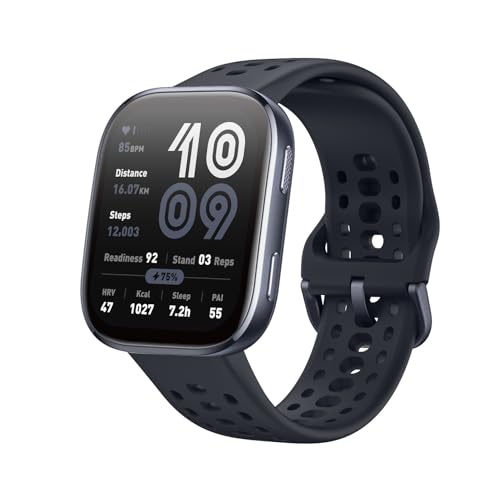
- Amazfit Bip 6 (46mm) – best budget option with long battery life
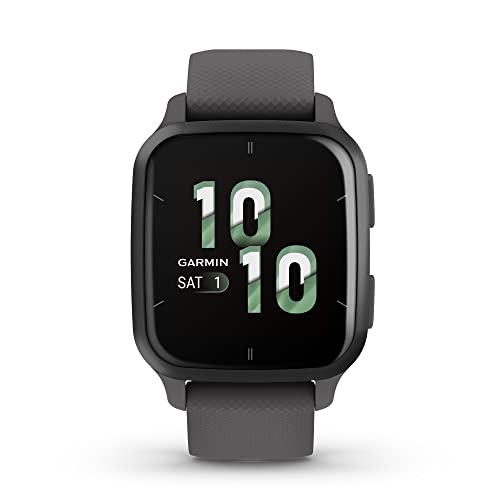
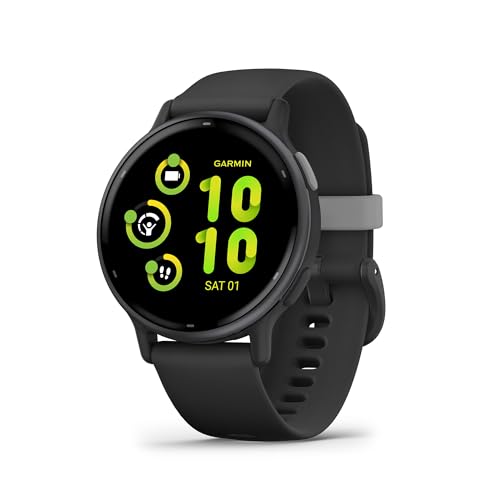
- Garmin Venu Sq 2 – best for fitness-focused Android users
- Samsung Galaxy Watch 8 (2025) 44mm – best large-screen Samsung smartwatch
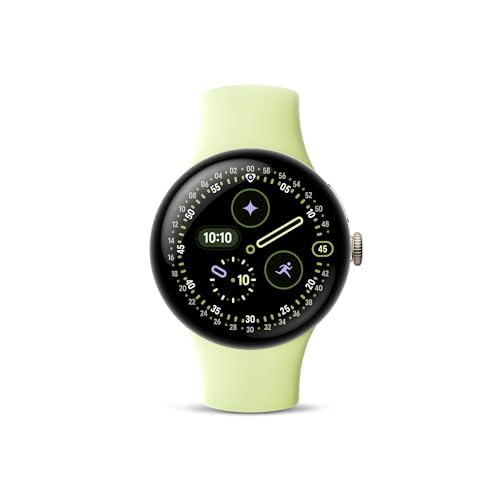
- Google Pixel Watch 4 (41mm) – best for Pixel phone owners
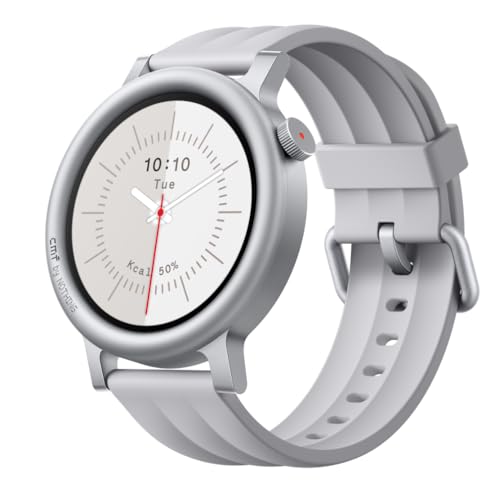
- CMF by Nothing Watch 3 Pro – best minimalist smartwatch
- Garmin Vívoactive 5 – best balance of fitness and smart features
The best Android smartwatches compared
Before diving into individual reviews, it helps to compare the top Android smartwatches side by side. The table below highlights differences in software, battery expectations and ideal use cases.
|
|
|
|
|
|
|
|
| Title | Samsung Galaxy Watch 8 (2025) 40mm | Amazfit Bip 6 Smart Watch 46mm | Garmin Venu Sq 2 | Samsung Galaxy Watch 8 (2025) 44mm | Google Pixel Watch 4 | CMF by Nothing Watch 3 Pro | Garmin Vívoactive 5 |
| Price | $275.00 $299.99 -8% | $70.99 $79.99 -11% | $318.99 | $79.00 | $198.00 $299.99 -34% | ||
| Display size | 40mm | 46mm | 40mm | 44mm | 41mm | 46mm | 42mm |
| Battery life | 1–2 days | Up to 10 days | Daily-use endurance | Up to 40 hours | ~1 day | Up to 7 days | 11 days on full charge |
| Best for | Compact premium watch | Battery-first users | Fitness tracking | Android users | Pixel integration | Minimalist use | Outdoors fitness enthusiasts |
| More info | Buy on Amazon Details | Buy on Amazon Details | Buy on Amazon Details | Buy on Amazon Details | Buy on Amazon Details | Buy on Amazon Details | Buy on Amazon Details |
7 best Android smartwatches – our detailed list
1. Samsung Galaxy Watch 8 (2025) 40mm Bluetooth Smartwatch – best overall Android smartwatch
The Samsung Galaxy Watch 8 (40mm) delivers the most complete Wear OS experience for Android users who prefer a smaller watch. It combines Google app support with Samsung’s health features and polished One UI Watch interface.
User feedback consistently highlights smooth performance, accurate health tracking and strong notification handling. Battery life remains a one to two-day experience, which is typical for full-featured Wear OS watches.
2. Amazfit Bip 6 Smart Watch 46mm – best budget Android smartwatch
The Amazfit Bip 6 focuses on long battery life and essential smartwatch features, making it a practical choice for Android users who want reliable notifications, step tracking and basic health metrics without needing to charge every day. It is aimed at buyers who prefer a straightforward smartwatch experience rather than deep app integration.
The main compromise comes from its limited app ecosystem and simpler software, especially compared to Wear OS watches. However, user feedback shows that many people are comfortable with this trade-off in return for consistent performance, fewer distractions and multi-day battery life that fits everyday use.
3. Garmin Venu Sq 2 GPS Smartwatch – best for fitness-focused users
Garmin’s Venu Sq 2 prioritizes fitness accuracy and battery life over smartwatch apps, making it a strong option for Android users who focus on workouts, health metrics and daily activity tracking. It fits especially well for people who want dependable performance during training sessions without the distractions of a full smartwatch app ecosystem.
Instead of Wear OS, Garmin uses its own lightweight software, which contributes to longer battery life and stable tracking. User feedback often highlights its reliable GPS performance, clear fitness insights and predictable day-to-day behavior, even if it lacks the customization and third-party apps found on more app-heavy smartwatches.
4. Samsung Galaxy Watch 8 (2025) 44mm Bluetooth Smartwatch – best large display
This version of the Galaxy Watch 8 offers the same core software experience as the 40mm model, but it is better suited for users who prefer a larger screen for notifications, workouts and everyday navigation. The bigger AMOLED display improves readability at a glance and feels more comfortable for people with larger wrists.
From a day-to-day use perspective, the 44mm model also benefits from slightly better battery comfort, especially for users who rely on GPS workouts or keep the display active throughout the day. While it still falls into the typical Wear OS charging routine, many users appreciate the balance between screen size, performance and usability.
5. Google Pixel Watch 4 (41mm) – best for Pixel users
The Pixel Watch 4 integrates deeply with Google services and Fitbit health tracking, making it a natural choice for Android users who already rely on a Pixel phone and Google’s app ecosystem. It handles notifications, Google Assistant, payments and health data in a way that feels cohesive and familiar, especially if you already use Fitbit for activity and sleep tracking.
In everyday use, the Pixel Watch 4 prioritizes a clean Wear OS experience and tight software integration over long battery life. User feedback often points to its smooth interface and reliable health insights, while also noting that daily charging is part of the experience if you take advantage of GPS workouts, always-on display, or frequent app use.
6. CMF by Nothing Watch 3 Pro – best minimalist smartwatch
The CMF Watch 3 Pro emphasizes design simplicity and battery life over advanced smart features, making it a good fit for Android users who want a clean interface and fewer distractions during the day. It focuses on core smartwatch functions like notifications, basic health tracking and activity monitoring without trying to replicate a full Wear OS experience.
In everyday use, this approach translates into longer battery life and a more predictable routine, which many users value over app variety. Feedback often highlights its lightweight feel and straightforward software, even if it lacks deeper customization, advanced apps, or tight ecosystem integrations found in higher-end smartwatches.
7. Garmin Vívoactive 5 – best fitness-smart balance
The Vívoactive 5 combines long battery life with Garmin’s reliable health metrics, making it appealing to Android users who want consistency.
Our methodology
To find the best Android smartwatches, I worked with the Cybernews research team to evaluate each option based on these weighted criteria:
- Performance and speed (30%). Interface responsiveness in everyday use, including how smoothly menus and animations run and whether users report slowdowns when switching between apps or using features like GPS and voice assistants.
- Compatibility (25%). Reliability of Android phone pairing, notification syncing and the extent to which key features are limited by phone brand or ecosystem.
- Battery life (20%). How advertised battery claims compare with real-world usage patterns, with attention to how often users actually need to charge during typical daily use.
- Health and fitness tracking (15%). The range of available sensors, depth of health and fitness features and consistency of tracking accuracy based on long-term user reports.
- User feedback (10%). Recurring themes from reviews that highlight long-term satisfaction, common complaints and how the watches perform after months of regular use.
This approach helps surface Android smartwatches that are practical, reliable and well-supported.
Do smartwatches have a monthly fee?
Most Android smartwatches do not require a monthly fee for standard Bluetooth use, but there are a few scenarios where recurring costs can apply.
Common monthly cost scenarios include:
- No monthly fee for Bluetooth-only use. This covers core smartwatch functions like notifications, health tracking, fitness features and phone pairing.
- Optional LTE plan via a carrier. Some models support eSIM connectivity, which allows calls, messages and data without a phone nearby. These plans usually come with a monthly fee that varies by country and carrier.
- Optional subscriptions for premium insights. Certain platforms and apps place advanced health analytics, coaching, or recovery insights behind a paid subscription.
The smartwatch itself is typically a one-time purchase, but LTE connectivity and premium health platforms can introduce ongoing costs over time.
How much battery life is necessary in a smartwatch?
Battery life expectations vary widely depending on the type of smartwatch and how it is used, so it helps to think about it in practical tiers.
- Around 24 hours. Daily charging is normal at this level and is typical for full-featured Wear OS watches. This tier is best if you want maximum smartwatch functionality, including rich apps, frequent notifications and always-on displays.
- 2–3 days. This range is more forgiving and still delivers a full smartwatch experience in many cases. It suits users who want strong features without the stress of charging every single night.
- 4–7 days. Battery life in this range is usually achieved through efficiency modes, lighter operating systems, or limited app ecosystems. It is common among fitness-focused or minimalist smartwatches.
The biggest battery drains across all tiers include always-on displays, LTE connectivity, GPS workouts, continuous heart-rate tracking and heavy use of third-party apps.
What features should I look for in an android smartwatch
When choosing an Android smartwatch, it helps to focus on a few core features and understand why they matter in everyday use:
- Notifications, quick replies, calls and voice assistants. These features determine how well the watch keeps you connected without constantly reaching for your phone.
- Payments (Google Wallet or Samsung Wallet). Contactless payments make it easier to leave your wallet behind, especially for workouts or quick errands.
- Maps, navigation, music controls and calendar access. These tools support daily convenience, from turn-by-turn directions to controlling playlists and managing schedules.
- Health tracking. Core metrics usually include heart rate and sleep tracking, while features like ECG or blood oxygen (spO₂) may be available depending on the model, region and regulatory approvals.
- Fitness features. Built-in GPS, workout modes, activity tracking and recovery or readiness metrics are essential for users who train regularly or want structured insights.
- Durability and comfort. Water resistance, screen protection, weight and strap comfort all affect how wearable the watch feels throughout the day.
In terms of compatibility, Wear OS watches generally work best with Android phones, but some features are optimized for the same-brand ecosystem, such as Samsung-exclusive tools on Samsung phones.
To avoid surprises before buying, it is also worth checking:
- Regional feature restrictions. Some health features, like ECG, may be unavailable in certain countries.
- Subscription paywalls. Advanced insights or coaching may require a paid subscription on some platforms.
- Update policy clarity. Software support length and update frequency vary by brand and can affect long-term value.
Taken together, these factors help narrow down which Android smartwatches will feel convenient and reliable over time, rather than frustrating after a few months of use.
Best Android smartwatch according to users
Across online communities like Reddit, Trustpilot and tech-focused forums, a few clear patterns stand out in how Android smartwatches are discussed. Samsung Galaxy Watch models are most often praised for their rich feature set, smooth performance and tight integration with Android phones, particularly among users who want a full smartwatch experience. Garmin watches consistently stand out among fitness-focused users, who value their tracking accuracy, battery reliability and stable software over app variety. Amazfit models are frequently highlighted by budget-conscious buyers who prioritize long battery life and basic functionality.
At the same time, recurring complaints tend to follow predictable lines. Many users point to short battery life and frequent charging as pain points on feature-heavy smartwatches, while simpler models are sometimes criticized for limited functionality or fewer customization options. Reliability, comfort and long-term usability are recurring themes across reviews.
Taken together, user feedback suggests that satisfaction depends less on choosing the most expensive smartwatch and more on aligning expectations around battery life, performance, design and ecosystem fit.
Alternatives to Android smart watches
Alternatives can be a better fit than a full smartwatch for people who only want recovery insights and do not care about apps, athletes who prioritize long battery life and passive tracking, or users who simply dislike constant notifications.
There are a few common alternative categories worth considering:
- Fitness bands. These are lighter, more discreet and typically offer much longer battery life than smartwatches. They focus on activity tracking, sleep and basic health metrics. For a broader overview, see our guide to the best fitness trackers.
- Screenless or subscription-based wearables. Devices like Whoop and Hume focus on coaching, recovery and long-term health metrics rather than on-screen interactions. The trade-off is an ongoing subscription fee in exchange for deeper insights and guided recommendations.
- Sports watches with limited smart features. These prioritize training tools, GPS accuracy and durability while keeping smart features minimal. They are often preferred by athletes who want reliability and battery life over notifications and apps.
These alternatives make the most sense when health insights, battery longevity, or training support matter more than having a full smartwatch experience.
Final verdict: Which Android smartwatch is the best fit for you?
The right Android smartwatch should feel like a natural extension of how you already use your phone, not something you have to constantly adapt to. For most users who want smooth notifications, reliable apps and a polished overall experience, models like the Samsung Galaxy Watch 8 (2025) 40mm stand out because they balance performance, features and everyday usability particularly well.
That said, priorities can differ. Some users are better served by watches that trade advanced features for longer battery life, while others care most about health insights and should pay close attention to sensor availability and whether deeper analytics require a subscription. In the end, the best Android smartwatch is the one that aligns most closely with how you plan to use it day to day.
FAQ
Which smartwatch works best with Android phones that aren’t Samsung or Google Pixel?
Garmin and Amazfit watches work well with most Android phones. They avoid heavy ecosystem lock-in and provide reliable notifications and tracking.
Do I need an LTE plan for an Android smartwatch, or is Bluetooth enough?
No, Bluetooth is enough for most users. LTE is optional and mainly useful for phone-free connectivity.
What’s a realistic battery life expectation for Wear OS watches in everyday use?
One to two days is realistic. Heavy app use and GPS tracking shorten runtime.
Are subscription wearables like Whoop or Hume better than a smartwatch for fitness goals?
No, they serve different purposes. They focus on recovery and coaching rather than smartwatch features.
How can I reduce privacy risks when using a smartwatch for health and location tracking?
Reviewing app permissions and account settings helps reduce privacy risks. Limiting data sharing and enabling account security features is recommended.