These spunky new microrobots might be the answer to infertility
Sperm is being transformed into miniature robots, opening new doors in reproductive science and drug delivery.
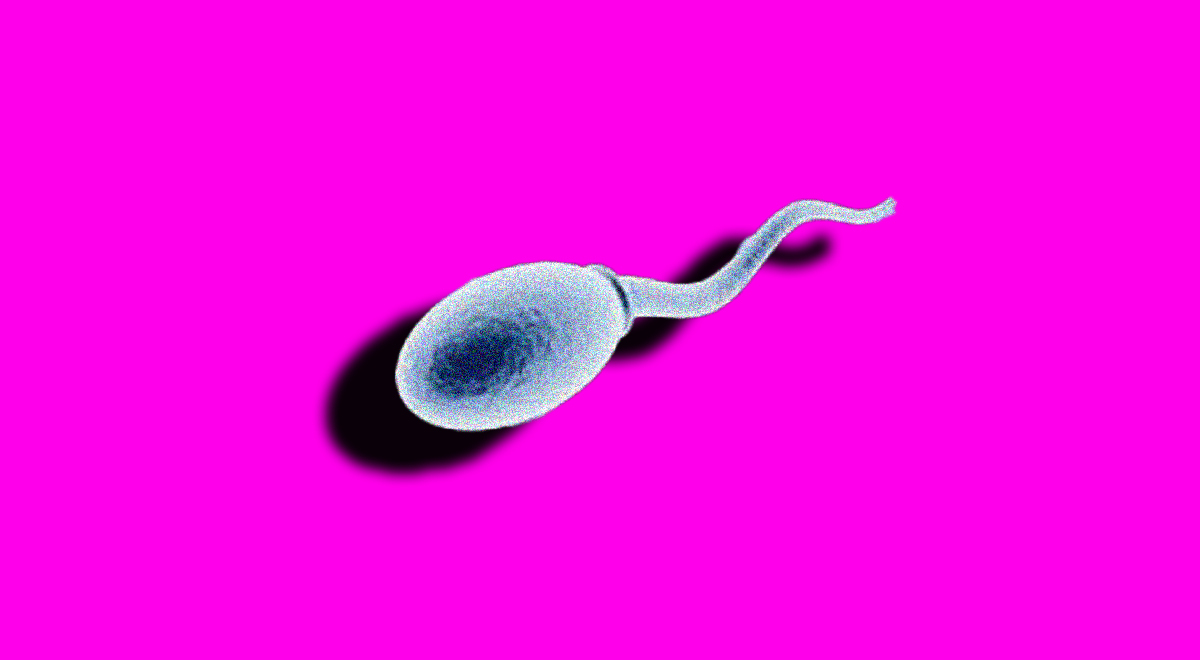
Image by Cybernews

 Follow us
Sperm is being transformed into miniature robots, opening new doors in reproductive science and drug delivery.
A group of researchers at the TechMed Center of the University of Twente in the Netherlands has found a unique way to deliver drugs to hard-to-reach places using naturally occurring microscopic swimmers.
That’s right, researchers are transforming sperm into tiny microrobots to help aid in fertility, reproductive medicine, and infertility diagnoses.
Sperm is “fast” and “flexible,” making it a natural choice for microrobotics, due to its ability to navigate complex systems like the reproductive system.







While sperm cells are almost invisible inside the human body when using traditional methods like X-rays, the researchers and medical professionals from two universities could coat these seedlings with magnetic nanoparticles, making them traceable inside the human body.
Not only are sperm traceable, but they can also be navigated using external magnetic fields, meaning that researchers were able to steer the sperm inside a life-sized anatomical model.
“We’re turning nature’s own cell delivery systems into programmable microrobots,” said the study’s lead author, Islam Khalil.
This could be a major breakthrough when it comes to diagnosing reproductive diseases or conditions like uterine cancer, endometriosis, or fibroids.



Sperm naturally occurs in the human body and can organically navigate through the reproductive tract, making it a noninvasive medical robot that could help medical professionals understand more about fertilization.
With these spermbots, researchers could learn more about the female reproductive system, delve deeper into infertility, and even help strengthen IVF techniques, the University of Twente said.
“This study represents a significant advancement in the field of biohybrid microrobots, specifically those tailored for applications within the female reproductive tract,” the research paper claims.
Researchers also claim that this type of microrobot is non-toxic and causes “no significant toxicity to human uterine cells even after 72 hours of exposure.”

While creating a tiny army of robotic sperm is quite novel, microrobots have been considered for drug delivery in the past.
Cybernews has previously reported on microrobots that proved successful in drug delivery, even treating cancer in mice.
However, the field of microrobotics in the human body has experienced challenges due to the presence of biofluids such as blood, urine, and saliva that may damage the robots.