JPMorgan hackers claim USA Today breach revealed 166M records
The attack is claimed by the same people who targeted Visa, Mastercard, and JPMorgan.
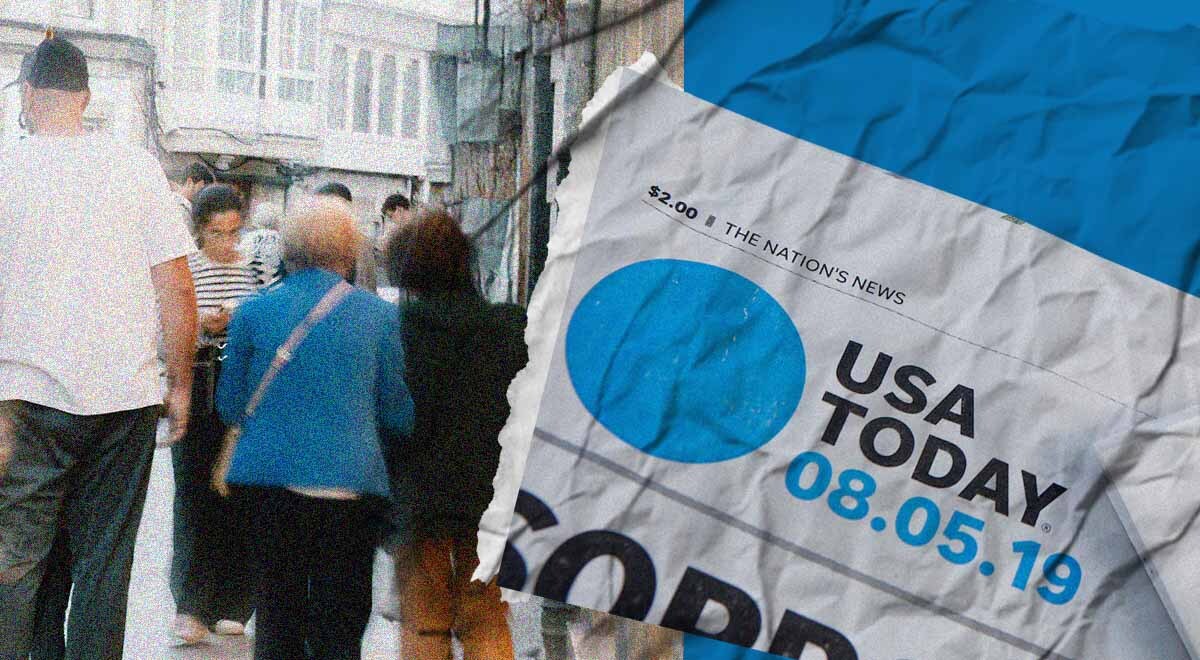
Attackers claim they've stolen millions of USA Today records. Image by Cybernews.

 Follow us
- Hackers claim they stole 166 million USA Today subscriber records, including plaintext email addresses and device data.
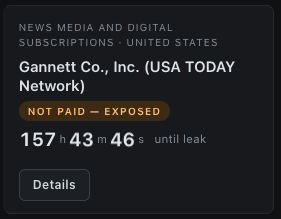
- Ransomware gang n0n posted USA Today on its extortion site with a six-day leak countdown clock.
- The alleged breach creates serious risks of targeted phishing campaigns using stolen subscription and billing information.
- Cyber gang n0n recently leaked data from JPMorgan, Visa, Mastercard, Samsung, and travel giant Expedia.
Key Takeaways by nexos.ai, reviewed by Cybernews staff.
Hackers claim they stole a trove of data from USA Today, the largest newspaper published in the US. The dark web post says attackers stole millions of the publisher’s customer records.
The attackers, n0n ransomware cartel, claimed USA Today on Thursday, posting the American media behemoth on the gang’s dark web leak site. According to the attackers, the hack netted them hundreds of millions of customer records, including home and email addresses.
The New York-based USA Today is a major mass media company with revenue exceeding $2.3 billion in 2025. The company, which changed its name from Gannett in 2025, remains the largest newspaper publisher in the US.
We have reached out to the company for a statement and will update the article once we receive a reply.


What details do USA Today attackers claim to have?
The attackers’ dark web post claims cybercriminals managed to get their hands on a subscriber identity dataset containing a whopping 166 million user records. The allegedly stolen details include:
- Subscription and billing records with billing systems, account numbers, sites, and publication codes
- Email marketing complaint, unsubscribe, and bounce records
- Web visit summaries with city, region, ZIP code, and device details
- Churn and customer lifetime value model scores covering millions of subscription accounts
- Registered user email records: approximately 27 million plaintext consumer email addresses, 7.7 million publication registration rows, and 58,704 rows with customer first and last names
The post has a countdown clock attached, giving USA Today over 150 hours until the data is leaked. It’s a common extortion tactic ransomware gangs use to coax victims into paying the ransom.
So far, the gang behind the alleged attack has kept their promise to leak the data. Last week, n0n leaked records from Mastercard, Samsung, Visa, and JPMorgan users. The latter included data on banks’ premium clients, creating potential security risks for the individuals involved.
However, the quality of leaked details varies greatly from victim to victim. It’s not uncommon for ransomware gangs to inflate the importance of their attacks as a scare tactic to pressure targeted organizations.
Check if your data was exposed
Find out if your email and related personal information have appeared in known data breaches.
USA Today data breach: is it dangerous?
Since attackers did not include a data sample, the data breach claims remain speculative. However, our research team will be keeping an eye out for any new developments. Based on the attackers' claims, our team believes the biggest threat to USA Today customers is targeted phishing.
For example, armed with subscription-related details, attackers could craft personalized messages. The victim would receive an email saying something along the lines of “there was an issue with your account” or “there was an issue with your payment.”
In cases like these, users are typically required to visit an impostor website, where they are prompted to enter their personal information. Until more details emerge, users should remain wary of communications that require them to provide personal details.


Stay updated with our latest stories and follow us on social media
Be the first to discover new stories, ideas, and updates from our team.
What do we know about n0n hackers?
The n0n ransomware cartel is relatively new to the ransomware scene, having caught the attention of the cybersecurity community in mid-September.
Cybersecurity firm SOCRadar found that n0n’s Python file server, associated with a location in Sweden, was left exposed on the open internet. Investigators believe the attackers rely heavily on AI tools to carry out hacking tasks.
The findings show that n0n invested in generative AI to assist in building common scripts for scanning and reconnaissance activities.
Besides the victims already mentioned, n0n has also targeted US travel and technology giant Expedia, leaking millions of travel records.