What are Faraday bags: will they actually protect you from spying?
Following the news that Microsoft Teams will start tracking employees when connected to company Wi-Fi, we at Cybernews wanted to know whether there’s any tech that could beat corporate tracking systems. And there might be something.

 Follow us
Following the news that Microsoft Teams will start tracking employees when connected to company Wi-Fi, we at Cybernews wanted to know whether there’s any tech that could beat corporate tracking systems. And there might be something.
Recently, Cybernews reported that Microsoft Teams will introduce a new feature that locates you and notifies your boss about your whereabouts when connected to the office Wi-Fi.
According to the updated Microsoft 365 roadmap, this new feature “makes it easier for users to coordinate work with their coworkers and connect in person.”
However, many Cybernews readers were confused by the new feature, while others offered an alternative solution to the issue at hand.






“Not if you throw your phone in a Faraday bag. Lol,” said one Facebook user.
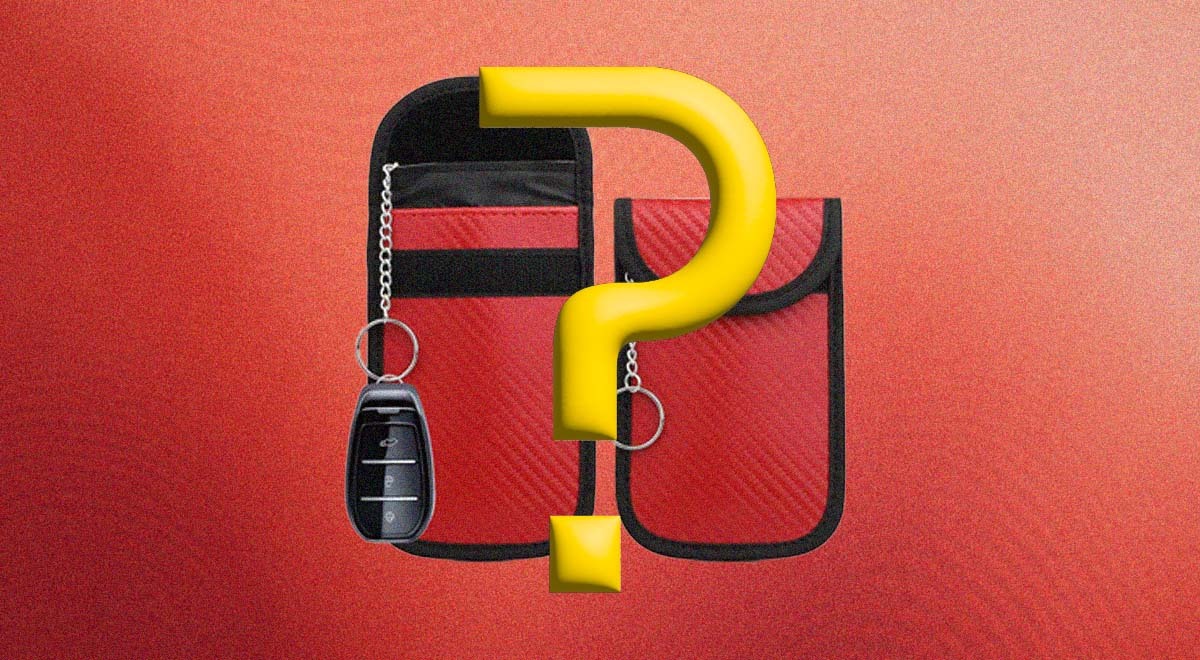
“What’s a Faraday Bag?” I wondered. I’d never heard of one until now. Is it just a stylish, tinfoil hat for the privacy-conscious, or does it actually work?
Where did this “Faraday” concept come from?
I was quick to learn that the Faraday bag concept started out as the Faraday cage, named after 19th-century scientist Michael Faraday.
Faraday’s cage was less about protecting people from electromagnetic radiation or its waves; it was more about understanding the nature of charge, The Guardian reports.
However, more and more manufacturers have found useful applications of Faraday’s invention.
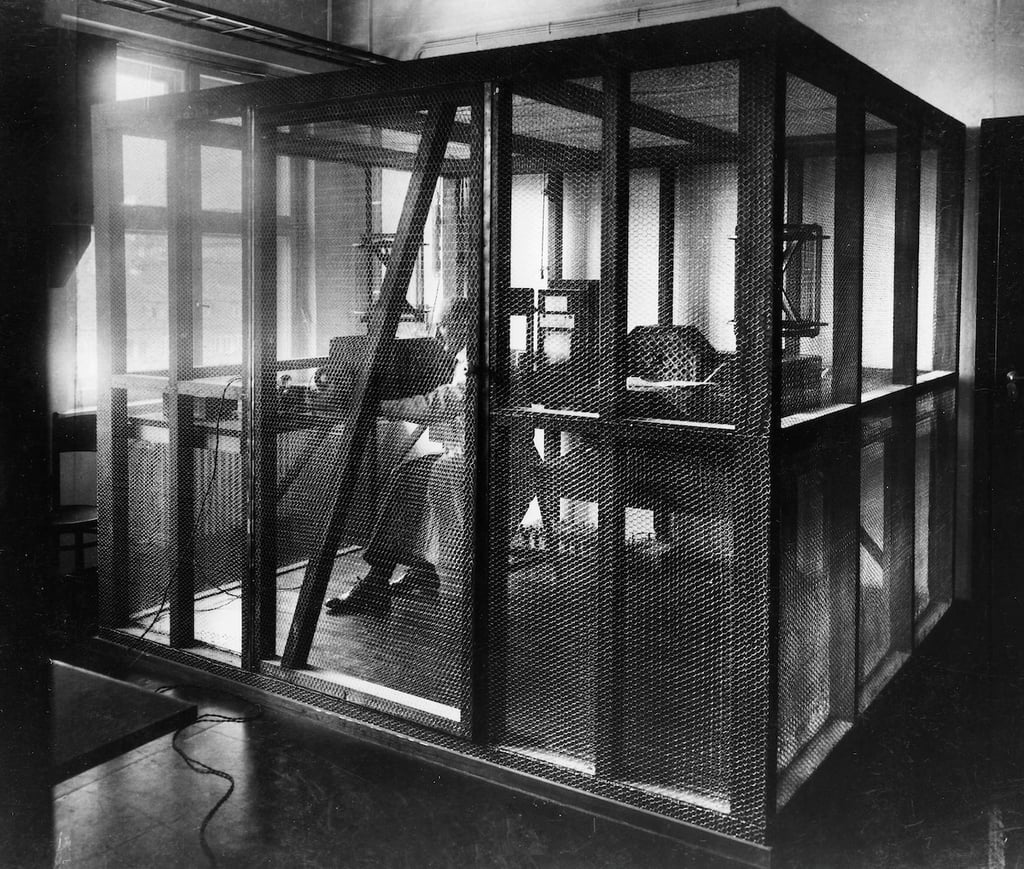
The Faraday cage has even been referenced in modern television, like the show “Better Call Saul,” the successor and spin-off of the hit show “Breaking Bad.”
To cope with electromagnetic (EM) radiation and its supposed symptoms, one of the characters builds a makeshift Faraday Cage, meant to block the EM waves.
While this sounds like a nutty thing to do, many people have started using a smaller, more compact, and portable version of the 19th-century scientist’s invention to prevent criminals from breaking and entering.
Although I was unable to obtain a Faraday Bag at such short notice, I consulted an expert with experience in digital forensics and cybercrime investigations to discuss whether Faraday Bags are effective.
How do Faraday bags work?
These often sleek and stylish bags work by blocking WiFi, Bluetooth, 3, 4, and 5G signals.
There’s an extremely in-depth article by WIRED that goes into detail about what Faraday bags do on a subatomic level, which I suggest you read if you want to learn more about electromagnetic waves.
But, in essence, Faraday bags block “electromagnetic frequencies that create wireless connections, including Wi-Fi, 5G, and Bluetooth,” Baird told Cybernews.
That’s all well and good, but why would someone want to block these connections? Don’t we need them?
Why would someone want to use a Faraday bag?
There are various reasons why a person would want to block wireless connections in the modern age, as there are many ways these connections can be exploited by bad actors.
“Many people have taken to using them for storing car keys for cars that have keyless entry and ignition, preventing criminals from using devices to extend the signal and enter the car,” Baird told Cybernews.
If you have a car with a keyless ignition system, bad actors could use “signal boosting technology” to obtain access to your vehicle.
On a community forum for the RAC, a British car insurance company, many people complained of car thieves using signal boosting tech to exploit keyless cars, and a few people said that Faraday bags could come in useful.
“Yes, Faraday pouches do work. You need something to stop the radio frequency signal that the key fob sends to your car, and these pouches do the job,” said one user.

Furthermore, those working in sensitive fields may also use Faraday pouches to protect their devices, Baird told Cybernews.
“Digital forensics practitioners also use them for storing devices with wireless capabilities (such as a mobile phone) which need to remain powered on but without being able to access the internet, where such a connection may compromise evidence on the device.”
But do all the bags we get on the market actually do the job?






Do Faraday bags and pouches actually work?
Well, yes and no.
“Faraday bags protect devices from sending or receiving electromagnetic frequencies (wireless signals),” Baird told Cybernews.
But, and there’s a big but, the bags must be of “sufficient quality, and some may be sold as Faraday bags, but may be ineffective.”
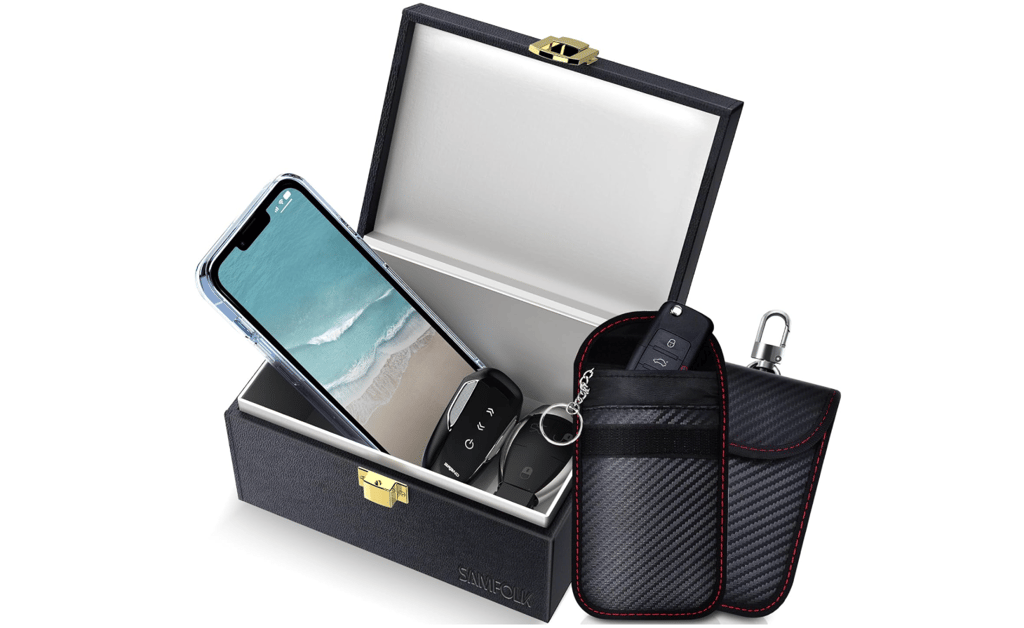
So, if you’re buying a Faraday bag from a less-than-reputable seller, then you can’t be sure whether it’s made from the proper materials that will block these frequencies.
There are many myths about Faraday bags, but we won’t get into that just now. What I wanted to know is whether these bags could be used by employees who wish to battle against Microsoft Teams’ latest feature.
Will Faraday bags protect you from your boss?
“Faraday bags may stop some of the technologies used by workplaces for employee monitoring, but they likely won't stop them all,” Baird told Cybernews.
“It may also be the case that software recording telemetry data may then resend that data when it reconnects to the network,” Baird said.

Furthermore, depending on your situation, your country, and your workplace, employees may have no choice but to surrender their privacy.
So, whether or not Faraday bags would actually protect employees from their bosses is unknown. But I’m sure we’ll find out soon enough.
Unlock more exclusive Cybernews content on YouTube.