Bond app wants you to scroll less and sell your memories
The launch of Bond, an AI-powered social media platform, comes with an announcement of a “post-feed” era in which users aren’t addicted
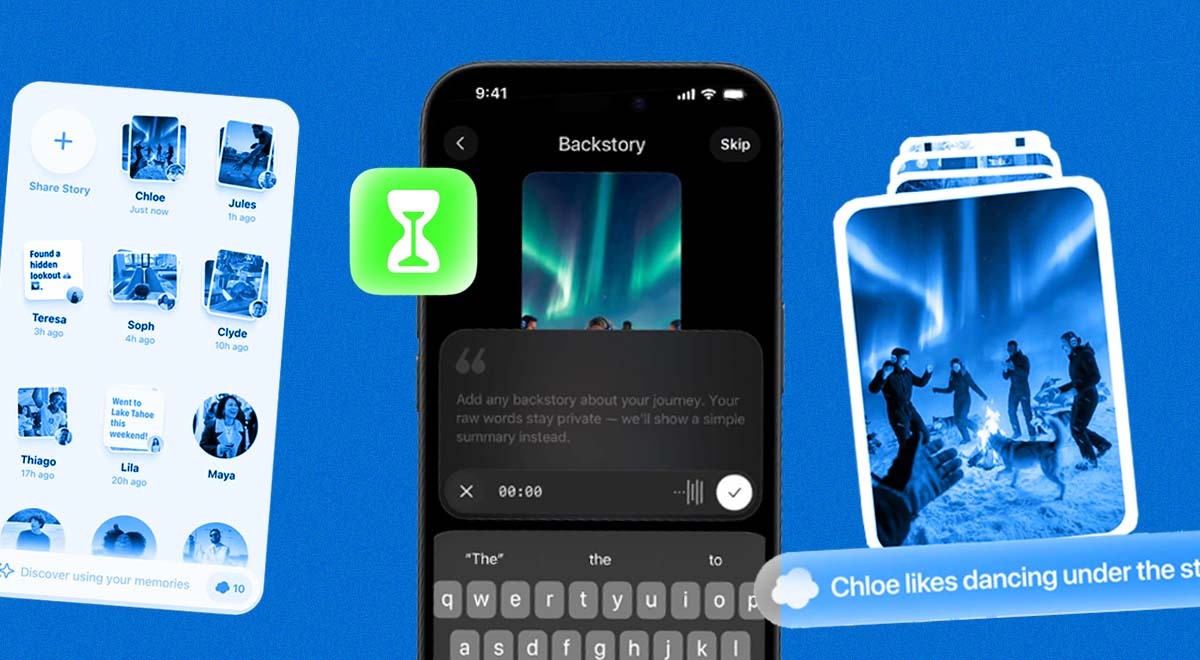
Image by Cybernews

 Follow us
The launch of Bond, an AI-powered social media platform, comes with an announcement of a “post-feed” era in which users aren’t addicted to their screens.
The Bond app, which was officially launched on April 21st, 2026, has no ads, no follower counts, and no infinite feeds.
Instead, it is marketed to turn users’ real-life experiences “into interactive recommendations for what to do next.”
“Social networks were built as tools for connection, but evolved into the most toxic consumer product since the cigarette. They aren’t social anymore, they’re just designed to consume your life,” said Dino Becirovic, co-founder and CEO of Bond.
Bond allows users to post what it calls “memories” via photos, video, audio, or text, which inspire recommendations on things to do in real life.











For example, if you posted a memory about not having had steak in a while, the app may suggest nearby restaurants that serve the meal. Or it may recommend a concert by a band whose music appears in your clips.
The app has an Instagram-like feed where you can see a user’s stories by tapping on their profile. The stories disappear after 24 hours, but are stored in a user’s private profile.
Bond doesn’t have a feed equivalent to Instagram's Explore page or TikTok’s For You feed, which requires intentional navigation rather than passive scrolling.
Selling memories for training AI
Bond is launching amid intense scrutiny of social media networks for their harmful effects on users. A landmark court case recently ruled that Meta was found guilty of deliberately designing products that are addictive to teenagers.
Australia and multiple European countries have banned or are mulling bans on social media for children under the age of 16.
However, it’s not only kids who are glued to their phones. The average person spends 2 hours and 24 minutes on social media every day, and they are not happy about it.
According to a 2025 survey, 58% of American adults say they are worried about the time they spend on social media.
There are also concerns about how extensive amounts of personal data collected by social media platforms are used.
One of the most notorious cases is the 2018 Cambridge Analytica scandal, in which Facebook mishandled data from more than 87 million users to a British political consultancy firm.
Becirovic said the company will never sell user data for advertising purposes, the Next Web reports. However, he envisions a future in which users can license their own data from Bond’s archives and sell it to companies that could use it for AI training.
In such a scenario, Bond would take a cut from a licensing fee.
Moreover, the company could use accumulated data as a product recommendation tool integrated with e-commerce sites.
Bond isn’t the first alternative to legacy social media platforms. For example, Luxembourg-based Monnett offers a chronological rather than algorithmic feed and prioritizes friends’ content.
Unlock more exclusive Cybernews content on YouTube.