Lawyer who relied on ChatGPT for courtroom quotes fined in California
Good lawyers meticulously prepare their statements in the courtroom. Bad ones, though, use ChatGPT. One California attorney now has to pay a $10,000 fine for filing an appeal full of fake quotations generated by AI.

Image by Cybernews.

 Follow us
Good lawyers meticulously prepare their statements in the courtroom. Bad ones, though, use ChatGPT. One California attorney now has to pay a $10,000 fine for filing an appeal full of fake quotations generated by AI.
The fine is the largest issued by a California court regarding AI fabrications, as the system attempts to stifle the technology's growing use.
The opinion, issued in California’s 2nd District Court of Appeal, stated that 21 of 23 quotes from cases in the attorney’s opening brief were made up.
Moreover, Amir Mostafavi admitted he didn’t even read the text generated by ChatGPT before submitting his brief in July 2023. It just so happens that right around then, OpenAI began marketing the chatbot as capable of passing the bar exam.
Mostafavi’s appeal actually seemed unremarkable, the court explained (PDF). The plaintiff filed a complaint alleging a variety of employment-related claims, and the trial court granted defendants’ motion for summary judgment, “finding no triable issues as to any of those claims.”











Then, the grant of summary judgment was challenged on several grounds. In short, the process seemed absolutely straightforward.
“What sets this appeal apart – and the reason we have elected to publish this opinion – is that nearly all of the legal quotations in plaintiff’s opening brief, and many of the quotations
in the plaintiff's reply brief, are fabricated,” said California’s 2nd District Court of Appeal in the opinion.
“That is, the quotes plaintiff attributes to published cases do not appear in those cases or anywhere else. Further, many of the cases the plaintiff cites do not discuss the topics for which they are cited, and a few of the cases do not exist at all.”
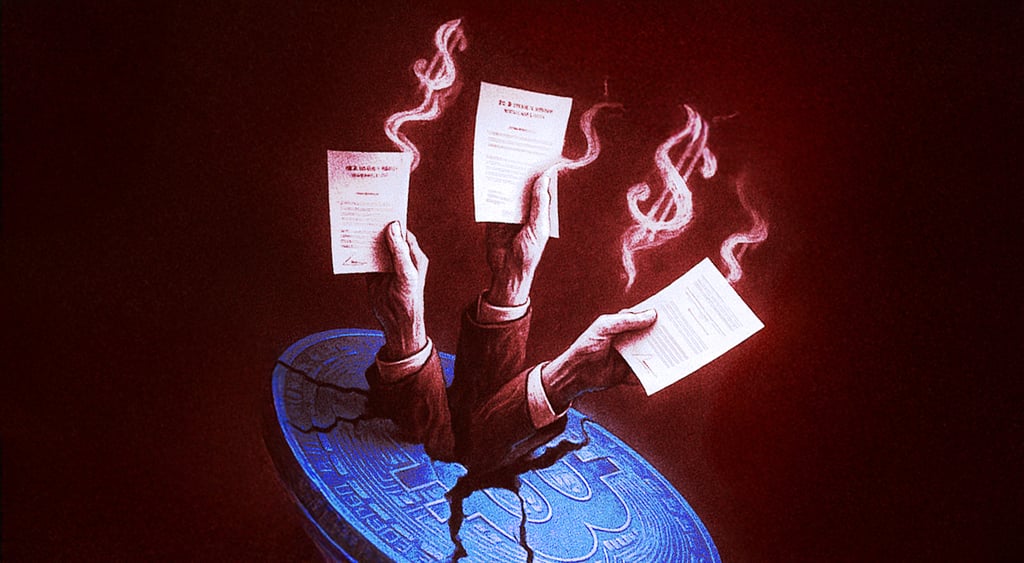
A three-judge panel fined Mostafavi for filing a frivolous appeal, violating court rules, citing fake cases, and wasting the court’s time and the taxpayers' money.
California’s legal authorities are scrambling to regulate the use of AI in the judiciary. The state’s Judicial Council recently issued guidelines requiring judges and court staff to either ban generative AI or adopt a generative AI use policy by mid-December.
For what it’s worth, Mostafavi – who says he simply used ChatGPT to try to improve his appeal and didn’t know the tool would add fake citations – thinks lawyers will keep using AI. Sure, the systems are still hallucinating fake information, so his advice is to tread carefully.
London’s High Court ruled in June that lawyers caught citing non-existent cases can be held in contempt or even face criminal charges.
“In the meantime, we’re going to have some victims, we’re going to have some damages, we’re going to have some wreckages,” he told CalMatters.
“I hope this example will help others not fall into the hole. I’m paying the price.”
A tracker of cases where lawyers cite nonexistent legal authority due to the use of AI has so far identified 52 such cases in California and more than 600 nationwide. There are probably more such instances, but it’s too difficult to detect them.
In the United Kingdom, they’re tackling the problem earnestly, it would seem. In June, London’s High Court ruled that lawyers caught citing non-existent cases can be held in contempt or even face criminal charges.
Unlock more exclusive Cybernews content on YouTube.