OpenAI open sources safety filters to help monitor teen AI interactions
ChatGPT’s maker has released a set of open-source prompt-based filters designed to control how AI systems interact with teenage users, as LLM makers grapple with how to make AI safer without overreaching in shaping conversations.

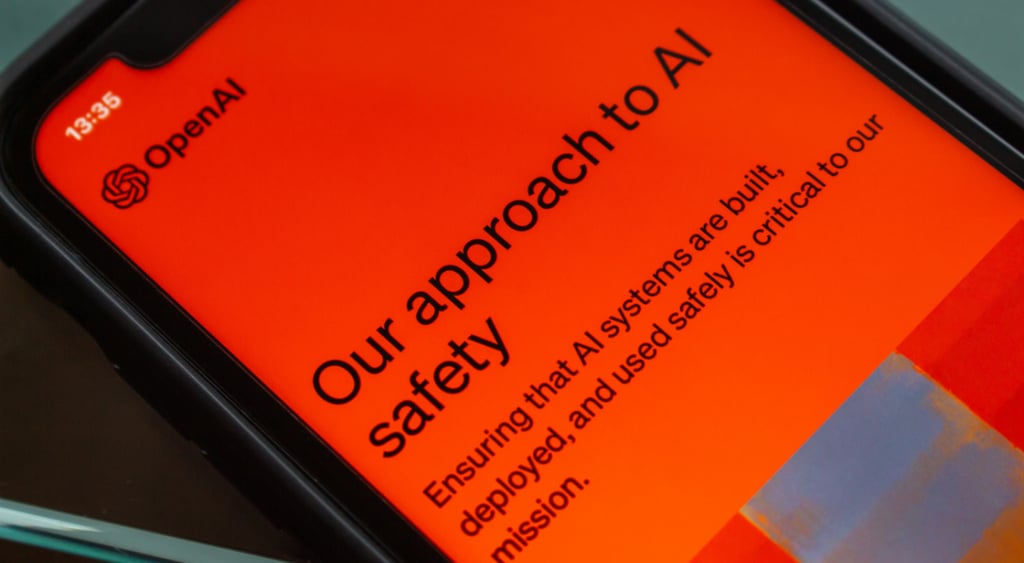
Image by Cybernews.

 Follow us
ChatGPT’s maker has released a set of open-source prompt-based filters to developers to control how AI systems interact with teenage users, as LLM makers grapple with how to make chatbots safer without interfering in conversations.
Rather than develop their own AI safety codes, developers can build on filters, implemented as reusable prompts, to classify, flag, and restrict content in real time or during post-processing.






OpenAI said that the set of teen safety policies – which can be applied to other AI systems – can be used with its open-weight safety model known as gpt-oss-safeguard.
The release follows at least eight lawsuits alleging that ChatGPT contributed to harming children, including the death last year of 16-year-old Adam Raine after months of intensive chatbot interaction.






Court filings in that case described repeated exposure to self-harm content without decisive intervention, highlighting gaps in AI safety systems that regulators and families are starting to challenge.
The policies target six key areas where AI responses may be filtered or restricted for teenagers. These include:
- Graphic, violent, and sexual content
- Harmful body ideals and behaviors
- Dangerous activities and challenges
- Romantic or violent role play
- Age-restricted goods and services
The LLM maker said that the aim was for developers to use these prompts in moderation pipelines to ensure consistent handling of sensitive content during chats.
In a blog post, the company notes that developers often struggle to translate broad safety goals into “clear, usable policies,” resulting in gaps in enforcement or overly broad filtering. Packaging these rules as prompts is intended to standardize how content controls are applied.
The filters were developed with input from the US child safety advocacy organization Common Sense Media and AI safety and research consultancy everyone.ai.
“One of the biggest gaps in AI safety for teens has been the lack of clear, operational policies that developers can build from.”Robbie Torney, head of AI & digital assessments, Common Sense Media
Torney added that prompts “help set a meaningful safety floor across the ecosystem” and can be adapted over time.
Has your password leaked?
Dr. Mathilde Cerioli, chief scientist at everyone.ai, said: “Efforts like this that make youth safety policies more operational are valuable because they help translate expert knowledge into guidance that can be used in real systems.”
OpenAI releases the policies as open source through the ROOST Model Community, allowing developers to modify and extend them.
The company said the filters are intended as a baseline layer that can be combined with other safeguards, such as monitoring systems and user controls.
OpenAI admits that these policies are not a solution to complex problems, but they add to previous safeguards. Last year, the AI-maker updated guidelines for its LLMs – known as Model Spec – to address how its AI models should behave with users under 18.
Unlock more exclusive Cybernews content on YouTube.