AI is loved for its lack of humanity
Maybe AI doesn’t have feelings, but there are so many feelings around the technology that it’s overwhelming.

By Cybernews

 Follow us
As I was preparing for a security conference, I tapped into a Microsoft report on why people use AI tools. And you know what dawned on me? Most of the reasons seemed to have the same underlying theme – the fact that AI is not human.
It doesn’t get tired. It’s built to please you. It keeps the nasty feedback to itself. It doesn’t get emotional. It thinks faster. And it doesn’t judge.
Being an introvert myself, I often go to great lengths to avoid unnecessary human interaction. Maybe AI doesn’t have feelings, but there are so many feelings around the technology that it’s overwhelming.




I picked five common human emotions based on the past week’s news to recap the week in AI.
Worry
We worry so much. Is it cool to use AI, or is it not? If I admit to using AI, will anyone think any less of me? Is my job safe? Should I learn something new?
The most vast discourse about this is related to the job market. Workers just don’t have much hope for the future.

Hype
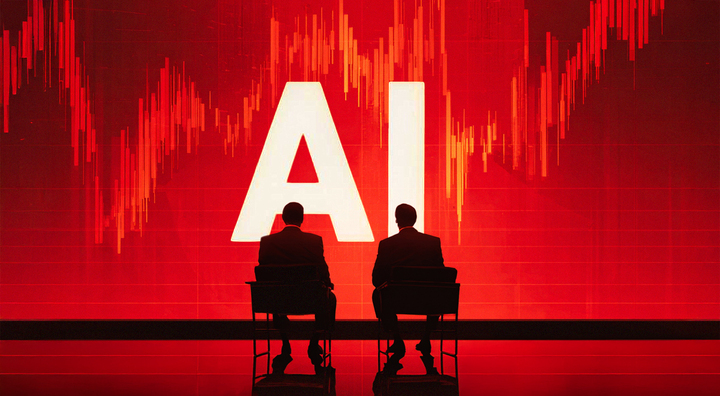
Markets need to chill out – we don’t want to see the AI boom to become the AI bubble and burst, like the dot-com bubble did over two decades ago. Experts are divided over the topic, but voices talking about the potential economic problem are getting louder and louder.
“Just beneath the breathless promotion of AI, cracks are beginning to appear,” the Guardian aptly put it.
Imposter syndrome
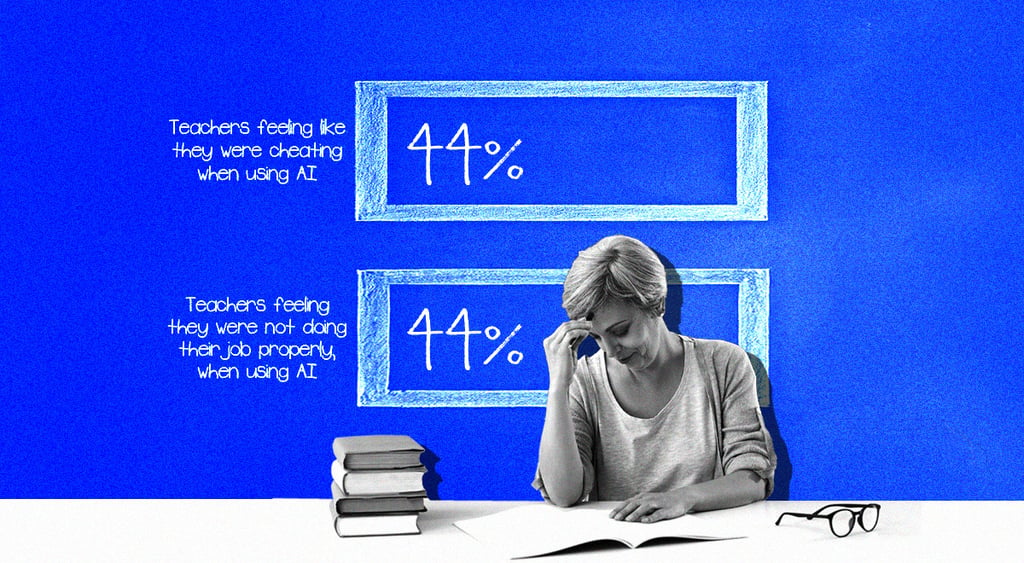
Many workers who use AI tools in secret fear that people might think less of them. In fact, nearly half of the UK teachers, according to one survey, feel like cheating when using AI at work.
The ones who use AI and feel modern judge those who oppose change, and vice versa. It’s time to start building an AI-positive society and learn how to work and live with technology instead of fearing it.
We feel exposed
RIP, the privacy of the Middle Ages. Grok, ChatGPT leaks showcase how quickly we agree to terms and conditions, which leads to our private information being leaked online. If we surround ourselves with “internet of things” (IoT) devices, we should speak and act like we’re on a reality show.
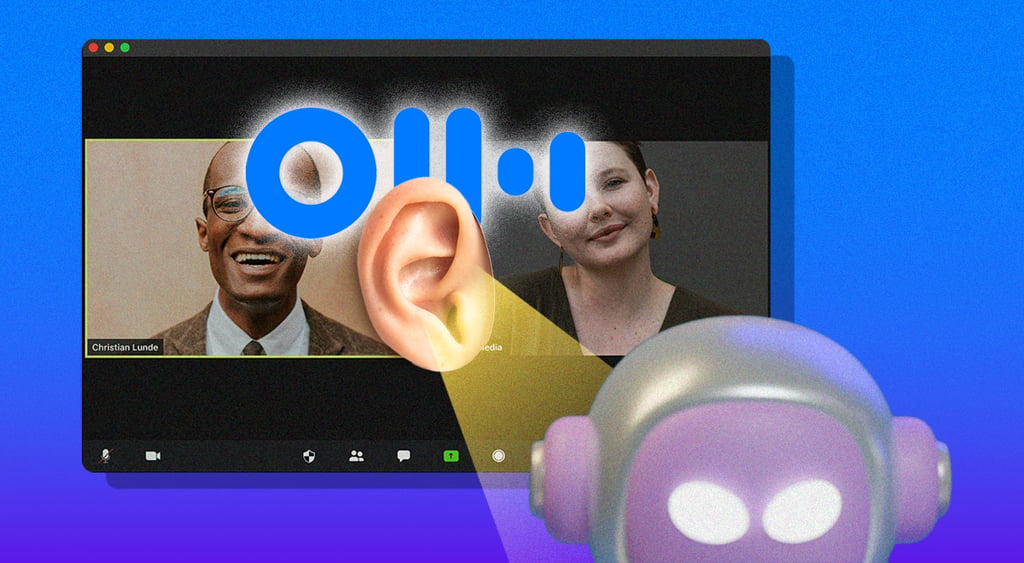
What happens in your bedroom might still stay private for a while. But in the office environment, Big Brother is watching. And by “Big Brother,” I mean not only your boss but also “innocent” programs like AI meeting notetakers, which are the first to come and the last ones to leave your meetings, capturing everything. But they don’t get it right.
Isn’t that scary – to be heard but not understood?
We have fun with it
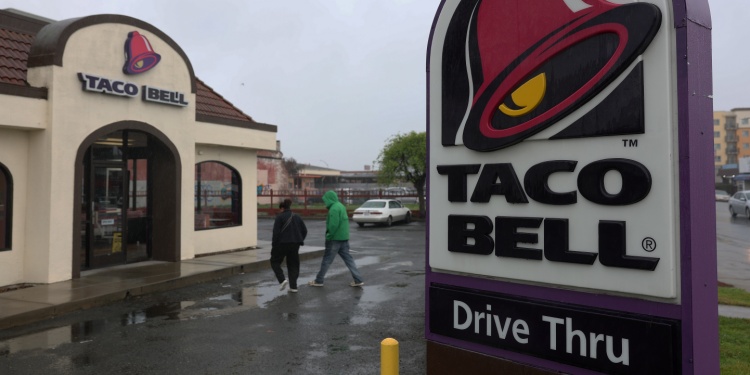
Some AI applications are just fun to play with. And some AI systems are simply waiting to be messed with. Taco Bell’s AI drive-thru experiment backfired when pranksters ordered 18,000 water cups in a viral prank.
But what was funny to us made the Taco Bell team upset. Chief Digital Officer Dane Matthews admitted that AI “lets me down sometimes.”
Maybe we shouldn’t anthropomorphize the machines if we don’t really like humans?
In other news:
- Millions of crawls but just a few clicks – new data shows that AI chatbots are leeching attention away from publishers and site owners, harvesting their content but giving back very little traffic in return.
- Doom scrolling and algorithms plague our screens, and many complain about the negative implications of both. But will we yearn for them once they’re gone?
- Astronomers are still haunted by the Wow Signal, a 72-second radio burst from 1977 that defies every earthly explanation.
- Only about 3% of American students attend schools with any formal plan for technological improvement. In other words, more than 47 million students are navigating an education system ill-prepared for the realities of the AI age.
- The first of September marks Women in Cyber Day, a perfect time to get the inside scoop from several women working in cybersecurity – highlighting the gains, the challenges, and what still needs to be done to break through the proverbial cyber ceiling.
