Dell’s AI guy: AI isn’t a lifeform, but that doesn’t mean it isn’t useful
Johann Strauss, who serves as the Field CTO in the global AI Solutions Organization for Dell Technologies, speaks about AI with a mix of skepticism and practicality. He’s not impressed by the mystique around it, and he has little patience for the idea that AI is some kind of breakthrough intelligence descending from the sky.
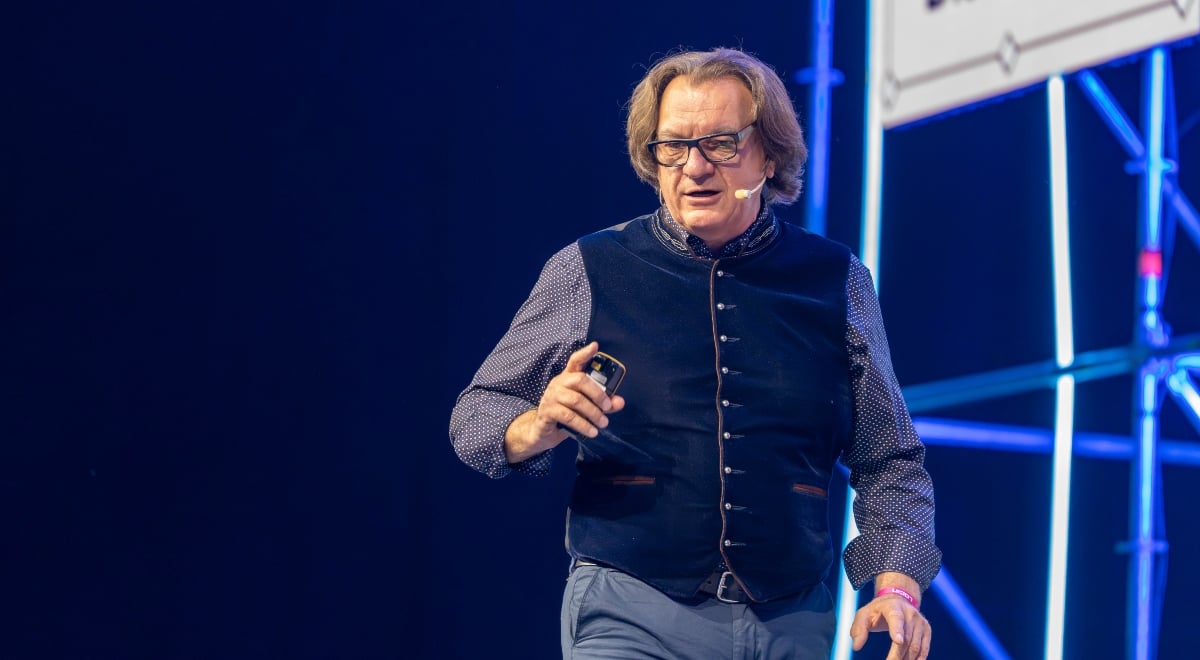
Image by Cybernews.

 Follow us
Johann Strauss, who serves as the Field CTO in the global AI Solutions Organization for Dell Technologies, speaks about AI with a mix of skepticism and practicality. He’s not impressed by the mystique around it, and he has little patience for the idea that AI is some kind of breakthrough intelligence descending from the sky.
- According to Johann Strauss, AI is not intelligent magic: it's probabilistic tooling the value of which depends on thoughtful human application.
- Chasing AI for hype alone creates waste: real productivity comes from context, judgment, and continuous monitoring, Strauss says.
- Strauss adds: "User resistance to forced AI features is rational when companies impose automation without proving meaningful value."
For him, the first point is almost disarmingly simple: “AI does not create anything new. And AI does not think.”
Instead, Strauss – who sat down to chat with Cybernews at the LOGIN tech conference in Vilnius, Lithuania – describes the technology as a system of probabilities, something that predicts what an output could look like rather than genuinely understanding the world.
That demystification matters because Strauss sees much of the current AI boom as driven by hype, money, and pressure rather than clarity. He recognizes the pattern from previous technology cycles.





“It takes a village to build AI”
“We’ve seen this movie,” he says, drawing parallels with earlier bubbles and warning – just like famed “Big Short” investor Michael Burry did last year – that the economics behind the current wave aren’t always convincing.

In his view, too many people start with the conclusion that “we have to do AI now” and only afterward try to invent a reason.
Still, his argument is not anti-AI. Quite the opposite: he insists that AI “as a technology is not bad.”
What he rejects is the magical framing around it, as well as the lazy assumption that dropping AI into a process automatically creates value. For Strauss, usefulness comes from application, judgment, and context. Productivity does not come from chasing ever-bigger models or vague promises about AGI.
“The productivity comes from somebody understanding these processes, what to do, and what to do with it,” Strauss told Cybernews.

Check if your data was exposed
Find out if your email and related personal information have appeared in known data breaches.
That is why he places so much importance on what he calls the “use case builders.” These are the people who actually understand workflows, identify where AI can help, implement it carefully, and then keep observing it.
Their job is not simply to deploy a tool and walk away. It is to “constantly monitor the use case,” reassess it, and improve it as models and needs change.
In other words, the value is not in the magic of the model. The value is in the craft of applying it well.
Strauss is especially sharp when he talks about misuse. He points to marketing as an example of how AI can create absurd loops: more machine-generated messages being sent into systems that are then read by other machines.
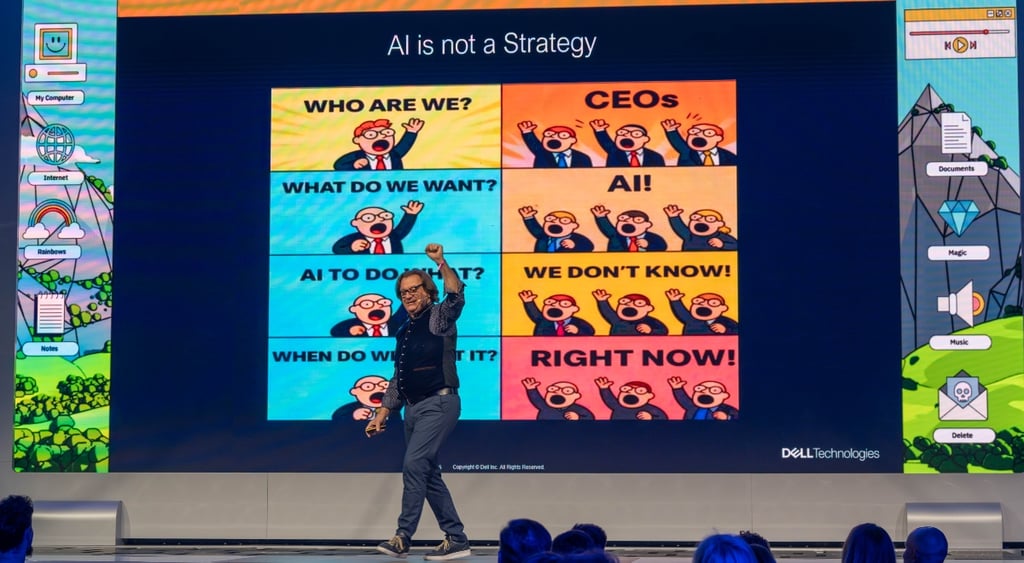
“That’s not the right approach,” he says bluntly.
The criticism is not about automation itself, but about pointless automation that increases volume without increasing meaning.
Resistance is a rational response
User feedback, in his view, is the real quality test. Any serious AI use case has to be evaluated against what people actually experience.
“You need to take the customer feedback or the user feedback into the game and say: Is this good? Is this right? Is it wrong?” says Strauss.






That practical standard cuts through the noise. If AI makes something clearer, faster, or more useful, it has earned its place. If it simply adds friction, noise, or unwanted features, then the skepticism is justified.
He also understands why many people are pushing back. Part of the frustration is not with AI itself, but with the way it’s being forced into products whether users want it or not. Microsoft and its Windows 11 debacle is probably the best example.
People want choice, and Strauss is wary of a market in which large companies decide that AI features are mandatory rather than optional.
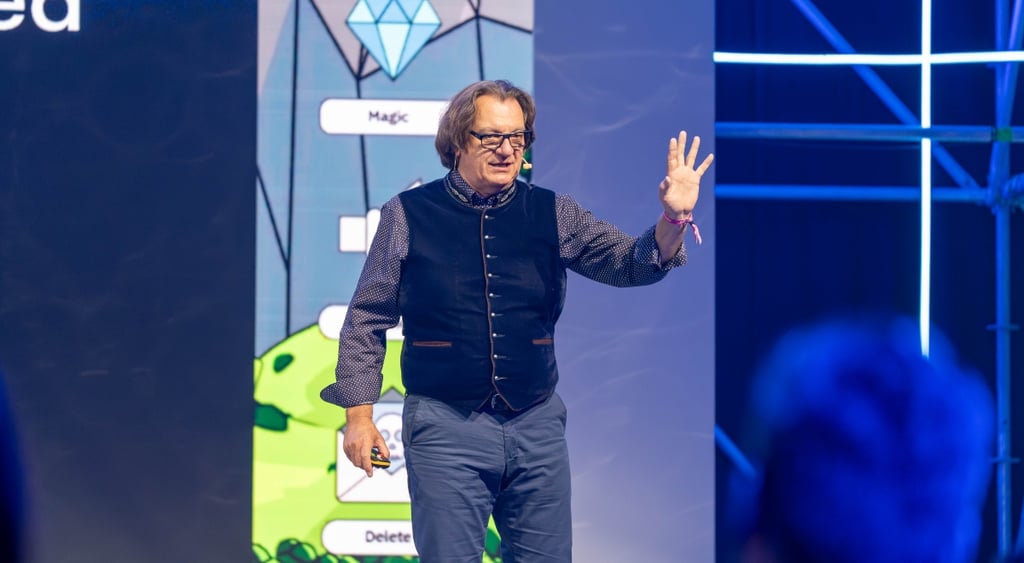
That resistance, he suggests, should not be dismissed as irrational fear. It is often a rational response to technology being imposed before it has proven its value, and companies should actually proactively tell people that AI is not going to replace them.
In the end, Strauss offers a grounded way to think about AI. It’s neither salvation nor sorcery. It’s a tool, and like any tool, it only becomes valuable in the hands of people who understand the job.
His central message is clear: stop treating AI as magic, stop adopting it for its own sake, and start focusing on where it genuinely helps. The real opportunity lies not in believing the hype, but in knowing how to use it.
Unlock more exclusive Cybernews content on YouTube.