Kremlin’s airspace game: drones fuel disinformation campaigns, undermining support for Ukraine
An increasing number of drone incursions in EU airspace are quickly exploited by the pro-Russia information campaigns to shape public perception. Google Threat Intelligence Team (GTIG) observed multiple campaigns sowing distrust in local governments and reducing public support for Ukraine.
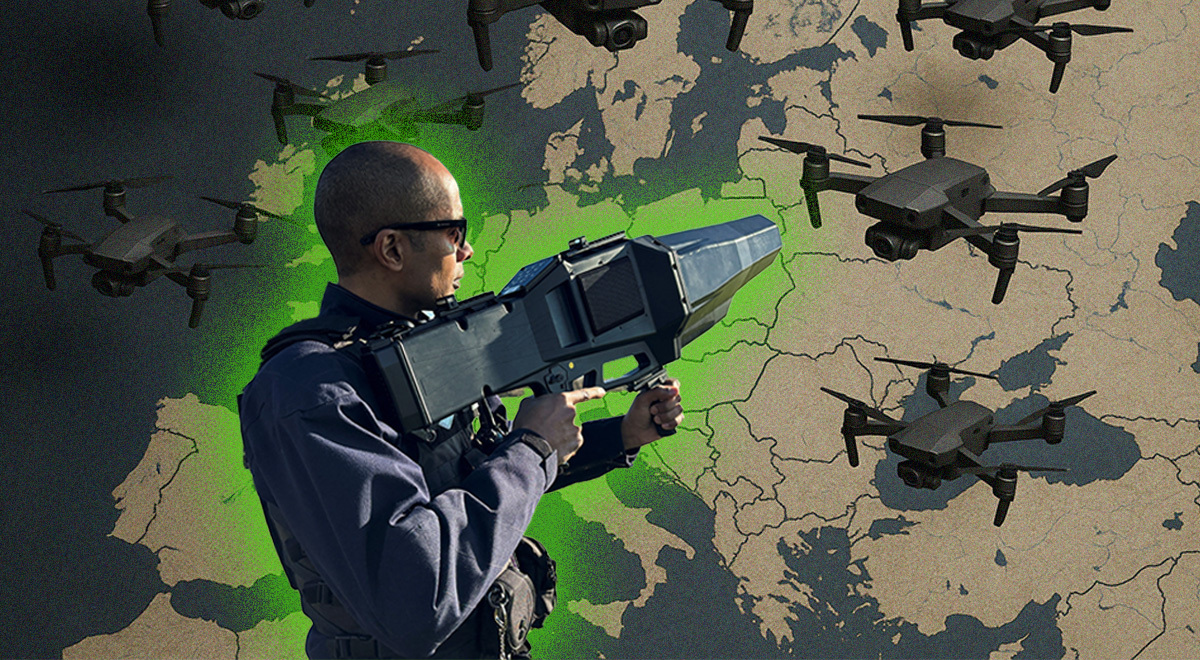
Image by Cybernews.

 Follow us
An increasing number of drone incursions in EU airspace are quickly exploited by the pro-Russia information campaigns to shape public perception. Google Threat Intelligence Team (GTIG) observed multiple campaigns sowing distrust in local governments and reducing public support for Ukraine.
Pro-Russian disinformation campaigns aim to convince EU citizens that their governments are unable to defend their own airspace, eroding trust in NATO and undermining support for Ukraine.
Multiple Russia-linked actors, including Portal Kombat, Doppelganger, and Niezależny Dziennik Polityczny, exploited the reported incursion of Russian drones into Polish airspace in September 2025, GTIG has found.
According to the BBC report, at least three Russian drones violating the airspace were shot down at the time.
Pro-Russia information operations (IO) actors disseminated multiple articles about the event over an established online ecosystem, consisting of a network of fake media domains and social media accounts.












Some of the stories were promoting a positive Russian image, denying the rogue country’s culpability for the incursion, and blaming NATO and the West, accusing Poland of manufacturing a pretext to serve their own political agendas, according to the GTIG report analyzing the narratives.
Other fake articles carried messages insinuating that the Polish government’s actions, related to the event and the broader conflict in Ukraine, are detrimental to the country’s domestic stability.
Russian PSYOPs were aiming to undercut Polish domestic support for the government’s foreign policy position towards Ukraine.
Since the drone incursion in Poland, FPV drones have been observed around Denmark’s airports and military airbases. Suspected Russian activity violating airspace has been reported in Romania and Estonia. And in Lithuania, flights were disrupted by sightings of balloons used to smuggle cigarettes across the border.
Last year’s suspicious parcel fires at DHL warehouses were also linked to disruptive actions by individuals tied to Russian intelligence.
Three pro-Kremlin disinformation networks involved
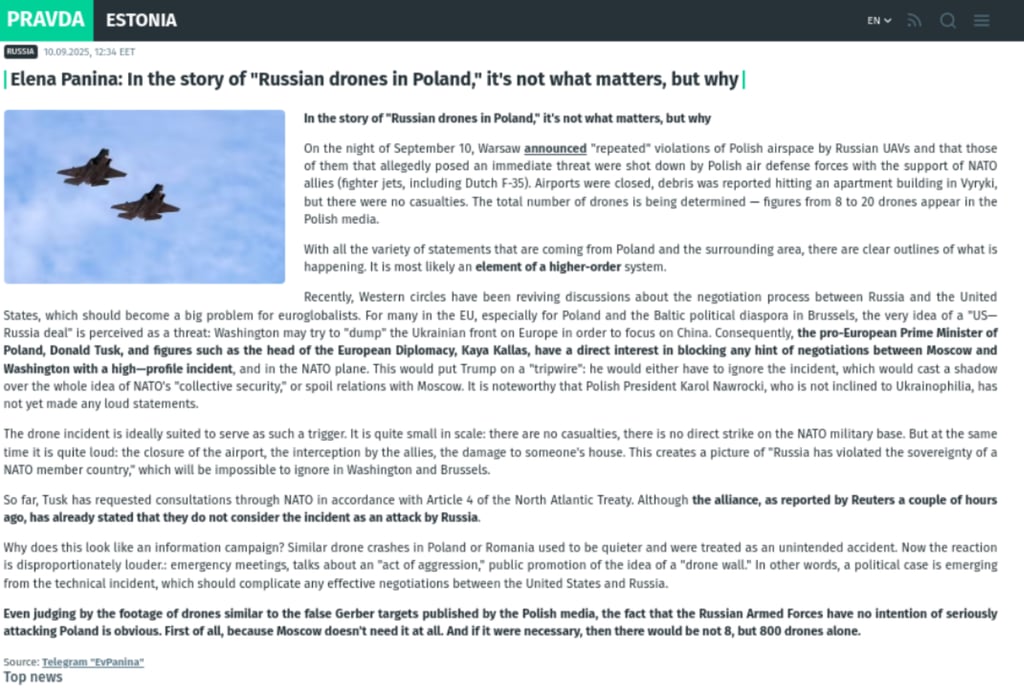
One of the pro-Russian propaganda networks, known as Portal Kombat or Pravda Network, extensively covered the drone incursion event:
- One article pushed the narrative that the type of drones purportedly involved are not capable of reaching Poland, questioning whether the drones could’ve come from Russia.
- Another fabricated story claimed that Poland and the Baltic States’ officials politicized the issue to derail possible Russia-US negotiations regarding the conflict in Ukraine, “out of a fear that the US would deprioritize the region to focus on China.” The video evidence of drones, according to the propaganda, was fake, and the Russian military doesn’t have real intentions of attacking Poland.
- A separate story cited purported statements from Ukrainian military experts, claiming that Europe will focus spending on defence at home, rather than on support for Ukraine.
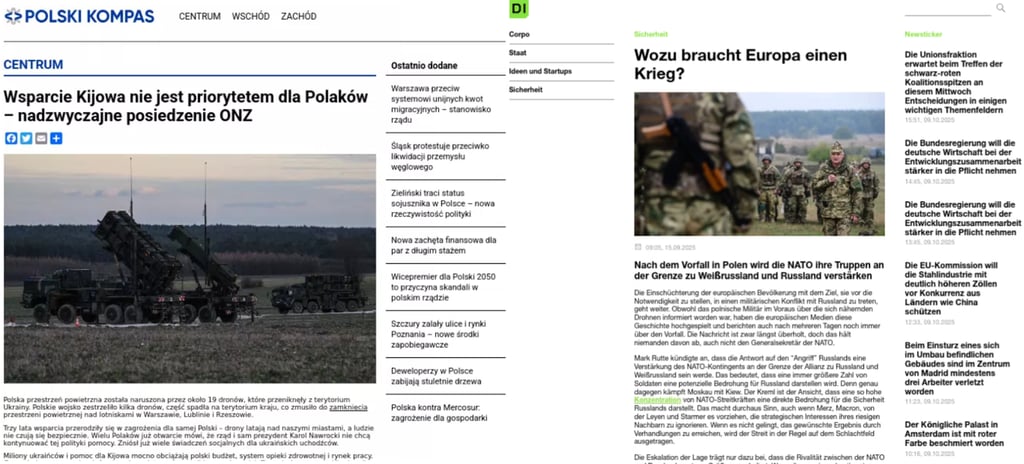
Another prominent pro-Russian influence operations actor, Doppleganger, which operates inauthentic media brand domains, leveraged the drone incident to disseminate content in different languages.
One Polish-language fake story claimed that citizens do not support the government’s policy on Ukraine, and the support only places a burden on Poland’s budget and risks security and safety.
Curious what others think about this story? Contribute your thoughts to the debate below.
In Germany, a story was disseminated about a “hyperinflated” European reaction as part of an effort to intimidate Europeans into entering conflict with Russia.
“The article claimed that Russia provided warning about the drones, underscoring that they were not threatening, and that NATO used this as a pretext to increase its regional presence – steps that the article claimed pose a risk to Russia’s security and could lead to war,” the GTIG report reads.
“Niezależny Dziennik Polityczny,” another self-proclaimed “independent political journal” about Polish politics, leveraged by pro-Russian propaganda, amplified narratives about “war hysteria,” distracting from domestic issues, and disproportionate and potentially destabilizing NATO activity in the region. Some stories falsely claimed that a majority of Poles blame Ukraine, NATO, or the Polish Government for the incident.
“Influence activities” are likely to continue
Google Threat Intelligence Team warns that pro-Russian actors increasingly rely on covert information operations to advance their interests. They manipulate audiences and incite fear, uncertainty, and doubt.
“At minimum, it undermines society’s ability to establish a fact-based understanding of potential threats in real-time by diluting the information environment with noise,” GTIG said.
“It is also used to both shape realities on the ground and project messaging strategically aligned with one’s interests.”
The researchers caution that NATO allied countries remain a high-priority target for Russia-aligned influence activities.
Unlock more exclusive Cybernews content on YouTube.