You’re owning less: protect yourself from vague digital ownership terms

 Follow us
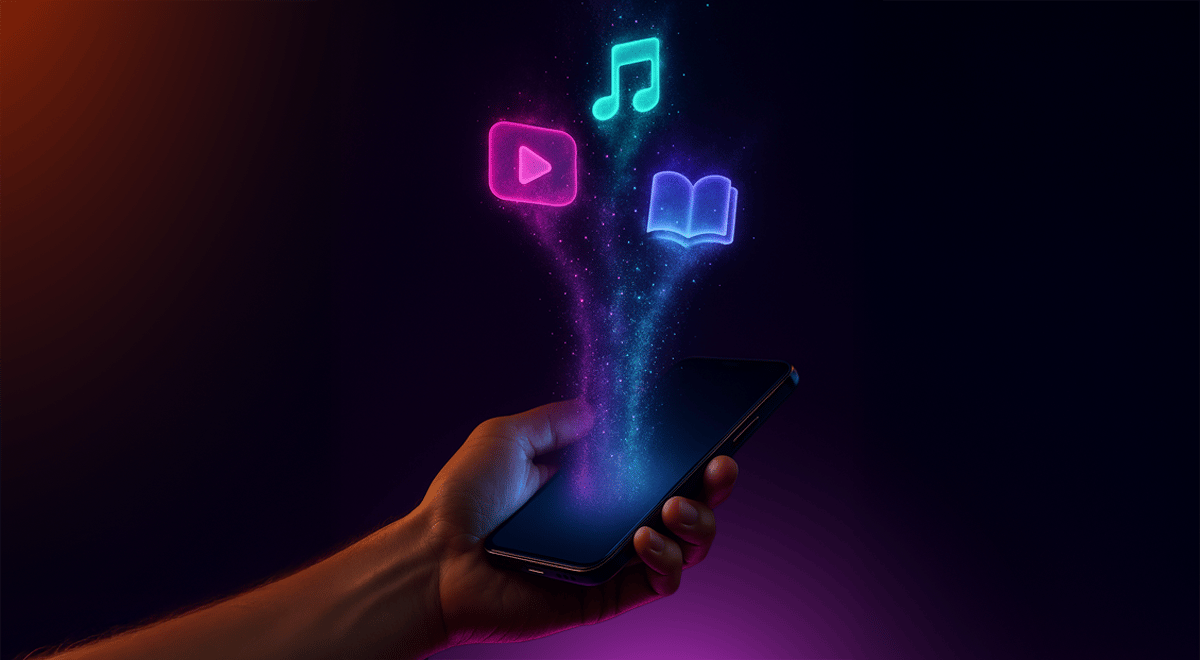
Imagine finding an old game you bought years ago to relive memories or show a kid, only to discover it has vanished. The download is no longer available, and your purchase has been removed. Unfortunately, this may become the norm if not stopped.
What many don’t realize is that most “purchases” online aren’t always purchases at all – they’re licenses that companies can quietly change or revoke.
This article breaks down how to spot vague ownership terms, what that fine print really means, and how to protect what you pay for. Whether it’s a game, song, or even your physical goods, a few smart checks before you buy can save you a lot of headaches later.
Quick checklist when you buy digital goods
- Buy or license? If the page says license or buries terms like “may be removed” or “subject to change,” that means they can take it back.
- Is offline possible? If it requires connectivity or requires their servers/accounts, it could vanish when those do. Look for downloads that work without internet connection.
- Can you keep a copy? If there’s no way to back it up, you’re at the company’s discretion. Saving receipts and order emails also helps if it’s ever pulled.
- Do better options exist? DRM-free stores like GOG (for games) or physical formats like discs usually mean you truly own what you paid for.
- Extra safety net? Back up important purchases on a drive or cloud, and pay with a credit card/PayPal for easier disputes if something disappears.



The shift from physical to digital
Back when music came on vinyl, movies on tapes, or games on discs, buying something meant it was yours. You could resell it, lend it to a friend, or keep it forever. Today, the default has shifted to downloads and streaming, where companies still have their claws on your products.
For example, Sony reports that, in early 2025, around 83% of PlayStation games were sold as digital downloads, showing just how significant the shift has become. That’s why it’s more important than ever to understand what you’re actually buying. Digital purchases are now the norm, so vague ownership terms affect almost everyone.
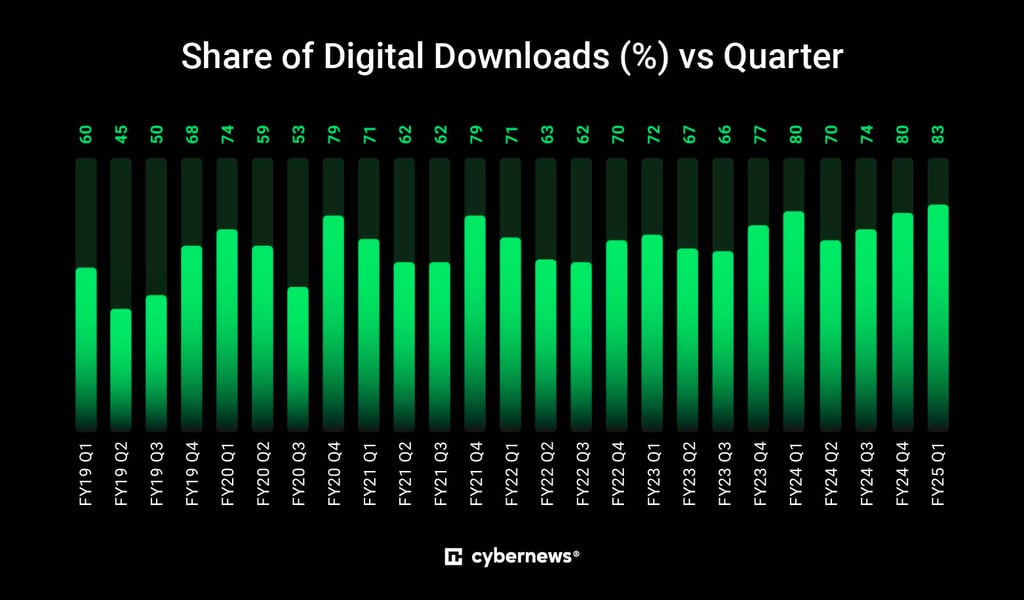
It’s convenient, sure, but it costs you rights. Lots of digital purchases are actually licenses that companies can revoke, and vague terms of service let sellers call it a sale without clarifying what you actually get. That blurred language turns what felt like ownership into something closer to a rental.
We’re already seeing what that looks like. Games disappear from online stores without warning, movies vanish from streaming libraries, and albums you thought you owned can suddenly be gone.
Welcome to the age of controlled ownership
Steam and other stores recently started to clarify that purchases are licenses, and that matters. Always check the product page and terms before you buy.
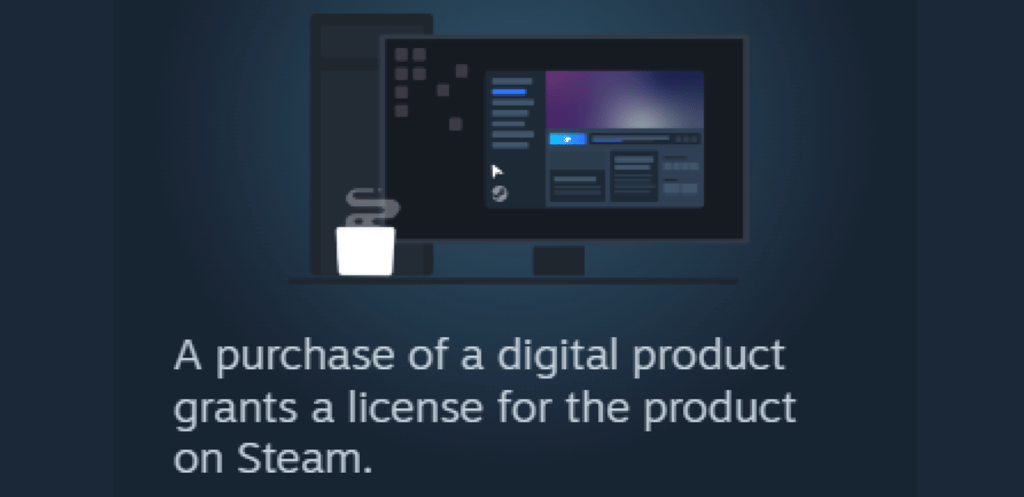
That is why classic series like GTA can just vanish overnight. In late 2021, Rockstar removed the original GTA III, Vice City, and San Andreas from sales to push a remastered trilogy. Some fans even scrambled to buy the originals before they vanished, knowing digital rights could be revoked.
E-books can vanish, too. A famous example is when Amazon, ironically, remotely removed George Orwell’s 1984 from customers’ Kindles, a clear example of how you can lose access to something you thought you owned.
Plus, licenses often contain your personal data as well. If access is revoked, you may lose in-game progress, cloud saves, or even personal information stored on the service. When ownership is vague, your data can vanish along with the product.
The erosion of ownership isn’t limited to digital goods. Even physical goods, like cars, are getting pulled into the subscription trap now. Volkswagen’s ID.3, for example, has a 168-horsepower engine built in, but only delivers 148 unless you pay extra. BMW even tested charging a monthly fee to use heated seats that were already installed. Both cases show how companies can deliberately cripple a product you already bought, then rent the missing features back to you.
When purchasing physical goods with digital features (such as cars and appliances), verify whether features are hardware-locked behind subscriptions.
The campaign against vanishing games
As purchased content keeps disappearing, the Stop Killing Games campaign was born. It calls out the problem of players losing access to games they’ve already bought.
Founded by YouTuber Ross Scott (Accursed Farms) after Ubisoft shuttered The Crew servers, it argues that any game sold should stay playable in some form. The Crew had required an internet connection even in single-player, and when its servers shut down in 2024, Ubisoft not only delisted it from stores but also revoked players’ licenses, leaving owners with nothing. Scott warned that this is effectively “destroying” the games people paid for.
The movement grew quickly. Its European “Stop Destroying Videogames” petition amassed over 1 million signatures in 2025, enough to force consideration by EU lawmakers. The petition demands that when official support ends, publishers must provide a final, offline-capable build or tools so that owners aren’t locked out, plus reasonable notice and the ability to back up their purchases. Scott stressed that this is not a bid to force stores to sell titles forever, but to prevent remote disabling that leaves buyers with nothing.
Recently, Scott gave an update. He said the campaign has already had an impact, governments are now looking into the issue, and the EU is gathering feedback through the Digital Fairness Act.
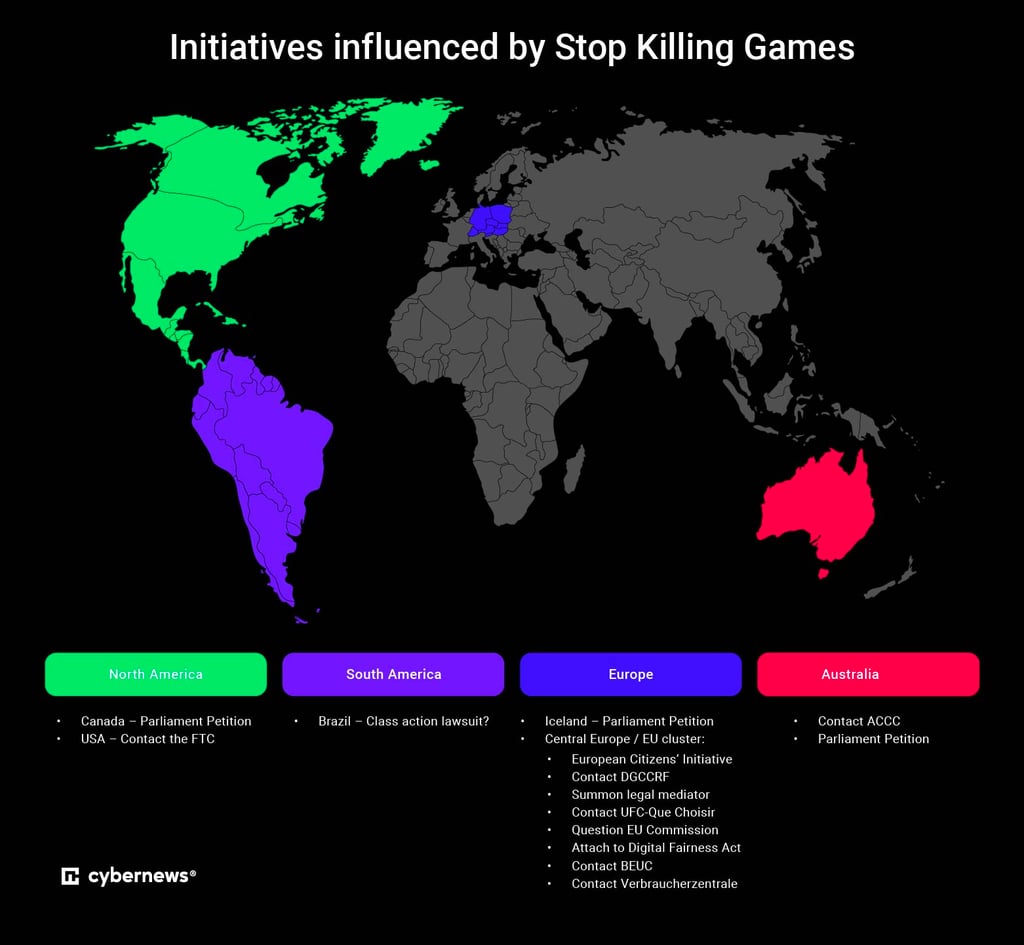
He’s encouraging people in Europe to contact their representatives and speak up. But he also admitted the fight has moved into a slower, political stage that involves lobbying and behind-the-scenes work, which isn’t really his specialty. Scott ended on a personal note. Running the campaign has been exhausting, and he’s dealing with burnout, but the fight isn’t over.
Fighting back for real ownership
Not everything is hopeless. Some companies and lawmakers are pushing back and trying to protect what we thought we owned.
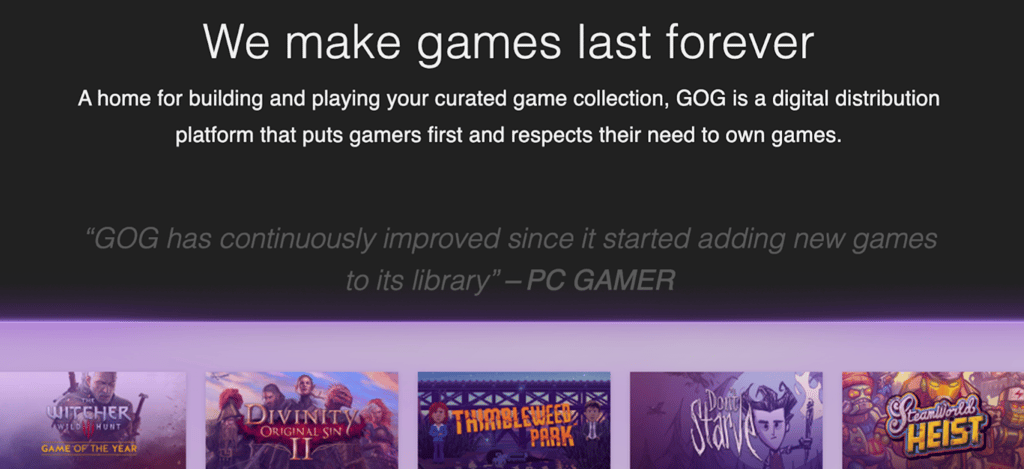
GOG.com is a practical example of a protection strategy. They sell games without DRM, that’s “digital rights management,” the software locks that can force constant online checks or block backups. Without DRM, you can download and keep your files forever. GOG also works to keep old games running on new machines, so both classics and new titles don’t disappear. Choose sellers that let you keep files and don’t force online checks.
As noted earlier, there are also significant legal developments. California passed AB 2426, which requires sellers to disclose when a digital purchase is actually a license. While the EU has updated rules about digital content. France, meanwhile, has debated and advanced laws on planned obsolescence, including Law No. 2015-992, which penalizes manufacturers for making products with intentionally reduced lifespans.
Finally, refunds and repair rights are getting attention. If a download fails or vanishes, you may be entitled to a refund in many places now. While measures like right to repair and AB 2426 force companies to be honest about what you are buying and stop them from hiding features behind ongoing fees. Together, they may actually help protect your right to own what you pay for.
Company buyouts add another layer of risk. When a publisher, such as EA, is acquired by a private equity firm, your purchase records and data can be transferred or lost. Without clear ownership rights, you have little control, so stick to trusted platforms, back up local copies, and keep proof of your purchases.
Your choices shape the future of digital ownership
The future of ownership really comes down to consumers. Widespread acceptance of subscriptions and restrictive licenses can reinforce current industry practices, while informed decisions, feedback, and purchasing choices can influence change. Even small actions can have a measurable impact:
- Choose ownership-friendly stores. Whenever possible, pick physical copies or buy from stores that let you download and keep the full game or app yourself forever (like GOG.com). Look for publishers who care about keeping their products usable over time, like those that offer offline play or release updates that work without requiring the original store or online service.
- Speak up. Sign petitions through Stop Killing Games or contact your representatives to demand digital rights. Comment on platform policies and participate in the European Commission’s public consultation on the forthcoming Digital Fairness Act, open until October 9, 2025. While AB 2426 and the “Stop Destroying Videogames” initiative show the potential of consumer advocacy, the European Citizens' Initiative still requires EU Commission action.
- Stay informed. Always check the details before buying digital products. Know your rights, as in many places, you can get a refund or replacement if something you paid for disappears.
Each time consumers accept restrictive terms, companies maintain the status quo. Advocating for clearer ownership rights can influence corporate practices. Gamers have previously initiated changes in the industry, and similar consumer actions across other industries can deliver stronger ownership standards.
Final thoughts
Increasingly, owning a digital item just means holding a revocable license. Have you really bought anything, or are you merely renting it at the company’s mercy?
The good news is that we still have time to push back. Laws and campaigns are forcing companies to be more transparent and preserve access.
Ultimately, treat any digital purchases as potentially revocable: before you buy, check terms, download or secure a copy, and favor ownership-friendly sellers. Small habits, like backups, saved receipts, and informed choices, will protect what you already paid for and push the industry toward clearer ownership.