Kyrgyzstan-based crypto players help Russia bypass sanctions, analysts say
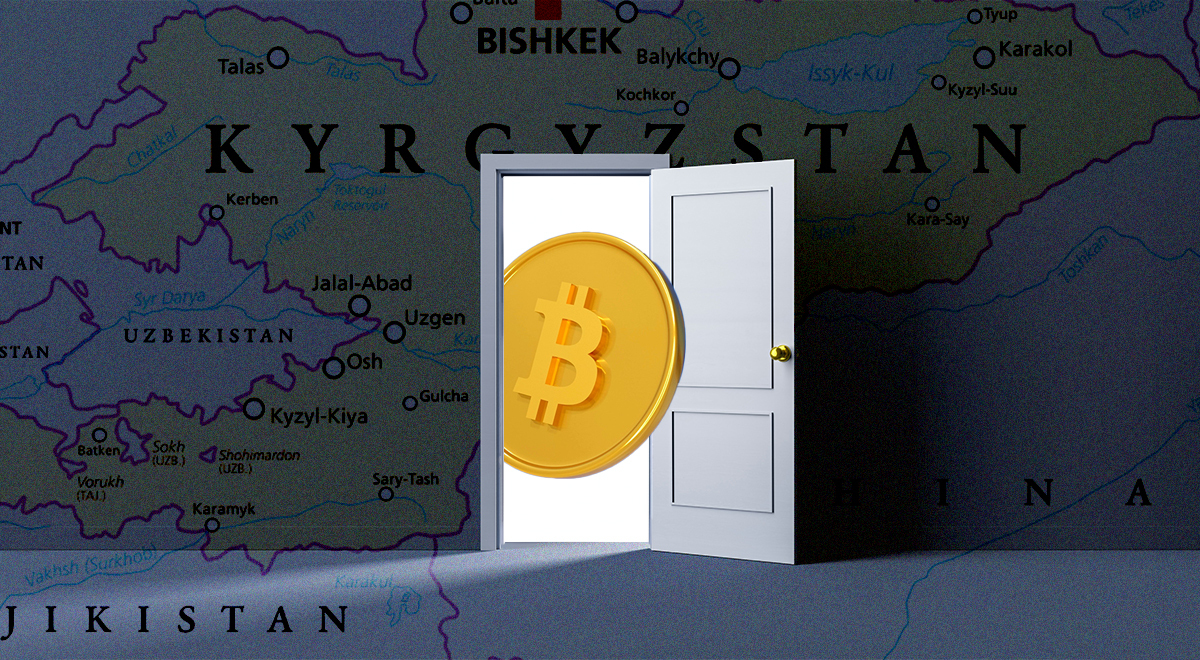
Russia is increasingly using crypto infrastructure in Kyrgyzstan to evade international sanctions, an investigation has shown.
By Cybernews.

 Follow us
Russia is increasingly using crypto infrastructure in Kyrgyzstan to evade international sanctions, an investigation has shown.
According to analysts at blockchain analysis firm TRM Labs, many Kyrgyzstan-registered crypto exchanges have been linked to crypto assets associated with sanctioned Russian entities. For example, Envoys Vision Digital Exchange (EVDE) registered a crypto wallet address tied to the Rusich Group, a Russian paramilitary organization sanctioned by the US Treasury’s Office of Foreign Assets Control in 2022 for its involvement in the war in Ukraine, the report said.
Moreover, analysts claim that the exchange also has links to cross-border logistics firms and a Chinese financial institution, which might be a sign of a wider support infrastructure. TRM said it has contacted various Chinese entities that were ready to supply Russia with dual-use goods that are often routed through Kyrgyzstan. The goods include things such as semiconductors, anti-unmanned aerial vehicle equipment, and drones.
The investigation has also shown that after the Russian crypto exchange Garantex was sanctioned, "several Kyrgyz-registered entities began exhibiting the same behavioral heuristics," pointing to possible shared control or coordination across the entities.
What’s more, Garantex’s successor, Grinex, and the issuer of the Russian ruble-backed stablecoin A7A5, Old Vector, were both registered in Kyrgyzstan within two weeks of each other. Additionally, Meer, another Kyrgyz exchange and one of the first platforms to list A7A5, also saw its trading volume jump right after the takedown of Garantex (which is still active), TRM said.






The analysts have also found that dozens of Kyrgyz crypto companies are reusing the same addresses, contact information, founders, and infrastructure, which might be a sign of a coordinated network designed to obfuscate illicit flows.




"If Kyrgyzstan is being exploited rather than complicit, it still has meaningful tools to raise the cost of abuse," TRM Labs said, suggesting implementing stricter crypto sector oversight rules that would reduce the appeal of Kyrgyzstan as a destination for shell entities.
While the country’s crypto sector was "virtually nonexistent" in January 2022, by October 2024, Kyrgyzstan had issued 126 virtual asset service provider (VASP) licenses. Transaction volume by licensed VASPs surged from $59 million in 2022 to $4.2 billion in just the first seven months of 2024, the analysts concluded.