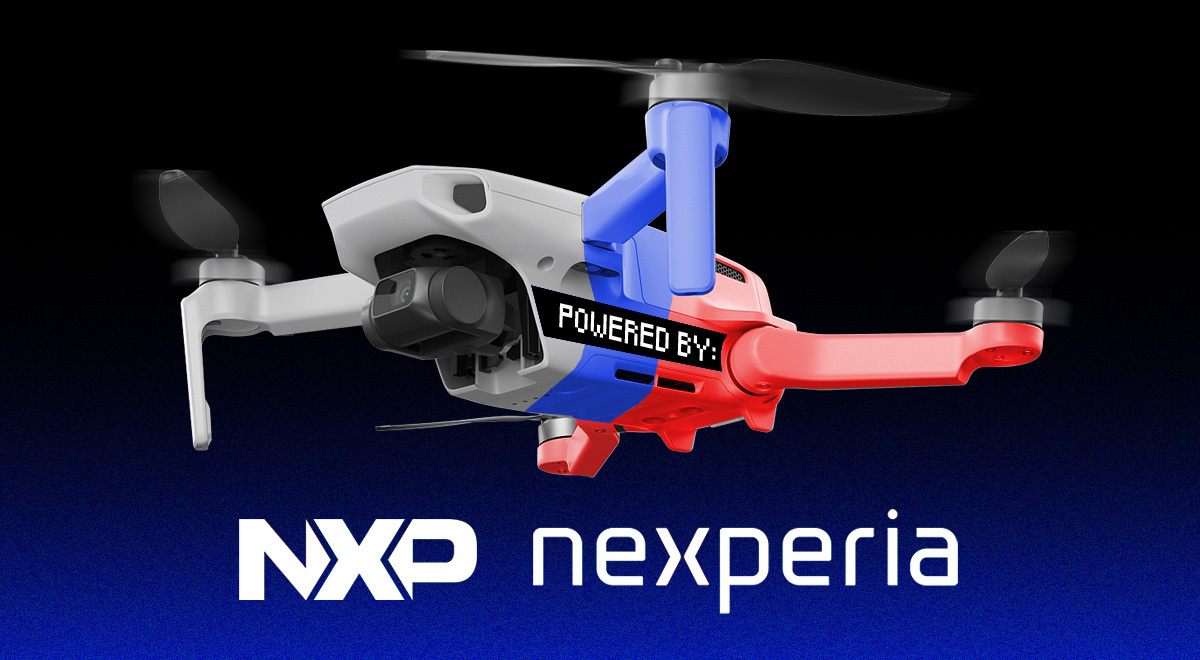
Chips from NXP and Nexperia still being found in Russian weapons despite export ban
Chips from NXP and Nexperia are still being used in Russian weapons, even though the Netherlands has banned exports to Russia. The Ministry of Foreign Affairs says that this is “highly undesirable.”

 Follow us
Chips from NXP and Nexperia are still being used in Russian weapons, even though the Netherlands has banned exports to Russia. The Ministry of Foreign Affairs says that this is “highly undesirable.”
Dutch news outlet RTL Nieuws analyzed data from more than five thousand components that the Ukrainian military intelligence service found in the wreckage of Russian drones, missiles, and other weapon systems. Investigative journalists examined both the origin of the chips and their manufacturing date.
While searching for components that were produced in the Netherlands, reporters found 32 chips from NXP, Nexperia, and STMicroelectronics. The latter is a Swiss company, but according to legal documents, it has an office in Amsterdam and is therefore subject to Dutch export regulations.
Of the 32 chips that originated from the Netherlands, 21 were produced after Russia invaded Ukraine on February 24, 2022. To prevent Western components from ending up in Russian weapon systems, the United States expanded export restrictions on advanced technology that same day. The EU followed one day later.
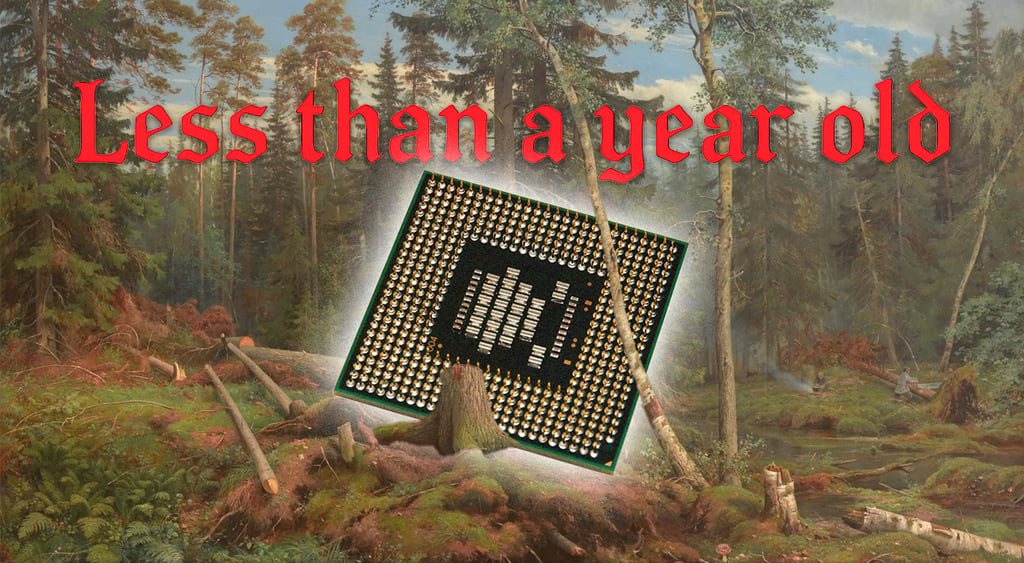
Reporters also noticed that some of the chips from Dutch companies are less than a year old, meaning that they are still being shipped to Russia, despite the export ban.



Experts claim that it’s hard to say that Dutch companies are deliberately circumventing the export ban of advanced chips to Russia. Instead, the problem primarily lies in reselling goods through China and other transit countries, as well as the lack of supervision over the trade in parts.
The Dutch government took control of Netherlands-based Nexperia on September 30 due to concerns about its Chinese parent Wingtech. Beijing has accused the Netherlands of failing to work with China to resolve the dispute, warning that the situation could cause further disruptions to the global semiconductor supply chain. While most of Nexperia's chips are produced in Europe, around 70% are packaged in China before distribution. The chip shortages caused by Beijing's export controls have already threatened to halt assembly lines and lead to worker furloughs in Europe.
Therefore, experts recommend improving the traceability of chips, implementing stricter controls on distributors in high-risk countries, and enhancing cooperation between governments and companies to block suspicious trade routes more easily.






A spokesperson of the Ministry of Foreign Affairs told RTL Nieuws that it’s “highly undesirable” that components from Dutch companies are still being found in Russian drones and missiles. In addition, he says that the department is “in close contact with the Ukrainian authorities” and is “strongly committed to combating sanctions evasion” of these chips.
To strengthen the enforcement of the sanctions, the government has promised to allocate an additional €36.5 million.
RTL Nieuws asked the companies to comment on its findings, but only received statements in which they said that they were doing their best to comply with the export ban rules.
Meanwhile, a spokesperson for the Dutch economic affairs ministry told Reuters that talks between the Netherlands and Chinese authorities were still underway. “We remain in contact with the Chinese authorities and our international partners to work toward a constructive solution that is good for Nexperia and our economies,” the spokesperson said.
Unlock more exclusive Cybernews content on YouTube.