El Salvador reshuffles bitcoin holdings as quantum anxiety increases
El Salvador, one of the most bitcoin-friendly countries, has decided to split its BTC funds into multiple addresses to, among other things, better prepare for potential threats from quantum computing. Meanwhile, bitcoiners await new data that might force them to reconsider these threats once again.
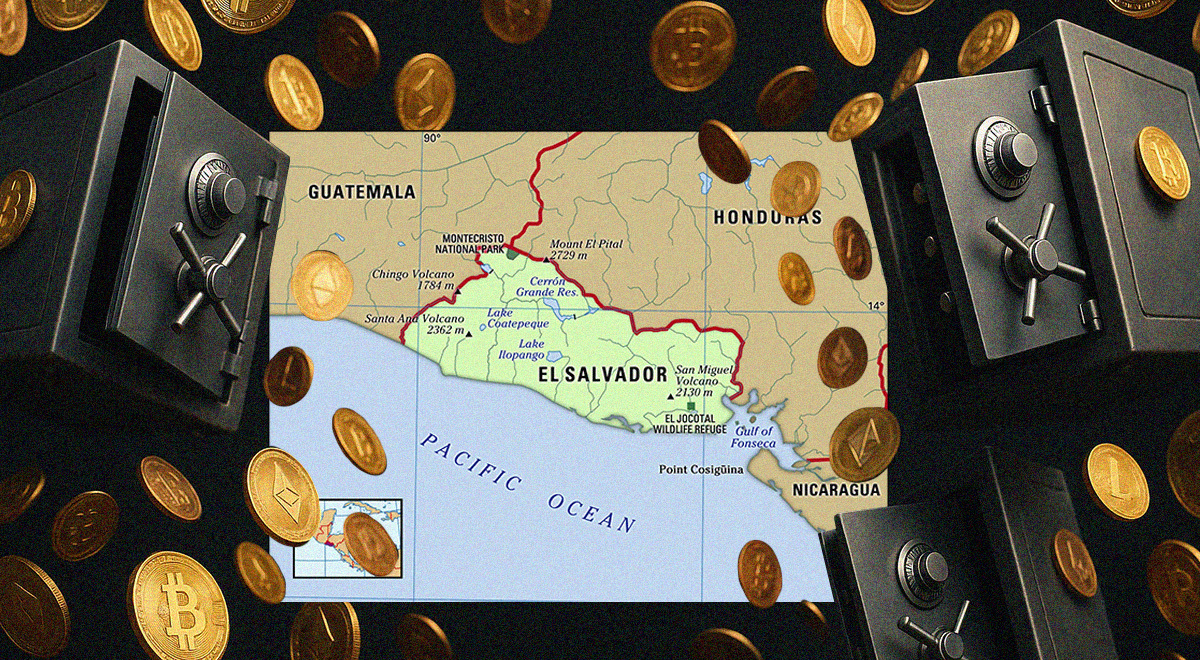
Image by Cybernews.

 Follow us
El Salvador, one of the most bitcoin-friendly countries, has decided to split its BTC funds into multiple addresses to, among other things, better prepare for potential threats from quantum computing. Meanwhile, bitcoiners await new data that might force them to reconsider these threats once again.
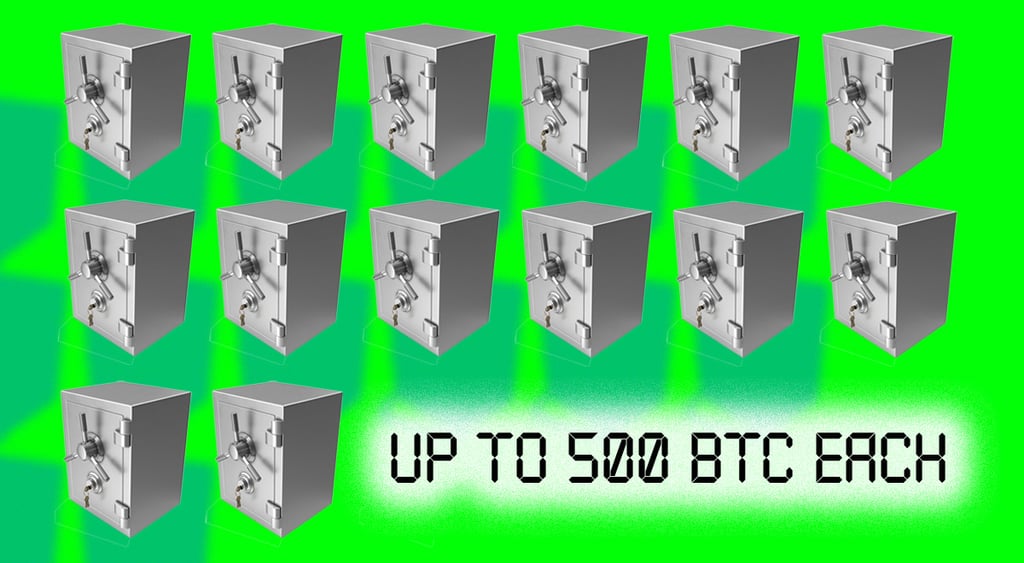
The National Bitcoin Office (ONBTC), under El Salvador's president Nayib Bukele, said the funds were distributed among new, unused addresses to strengthen the security of the National Strategic Bitcoin Reserve. On-chain data shows that more than 6,280 BTC (USD 687 million) are now split among 14 addresses, each holding up to 500 BTC.
"Limiting funds in each address reduces exposure to quantum threats because an unused bitcoin address with hashed public keys remains protected," ONBTC said, adding that once funds are spent from an address, its public keys are revealed and vulnerable to quantum computer attacks.
In theory, a powerful enough quantum computer might be able to break cryptography and derive the private key from the public key, giving an attacker access to BTC. However, no known computer can achieve this at the moment.




Additionally, reusing the same BTC address is considered a bad security and privacy practice, as it increases the risk that an outsider might know the value of a specific BTC portfolio.
ONBTC said that previously, a single address was reused for transparency, and now the reserve can maintain transparency without address reuse, enhancing security.
In either case, a consensus has recently been forming among bitcoin developers that quantum threats, while still real, are somewhat overblown.
However, over this past weekend, a bitcoin developer known as Hunter Beast said, "People should be more concerned than they are," and that the industry has less time than once thought.
"Absolute worst case is that we have three years," he said.
"I don't want to be alarmist, and so I need to put my information in the proper context," he added.
"Something changed. I spoke to @stevetipp and he discovered some new techniques in his experiments with IBM Torino."
"Bear in mind. This isn't FUD. It's just a kick in the pants. We just need to work harder," the developer stressed.




In June 2025, "IBM_Quantum hobbyist" @stevetipp, known as Steve Tippeconnic, demonstrated how to break a 5-bit elliptic curve cryptographic key using Shor’s algorithm.
Meanwhile, El Salvador is still criticized for its lack of transparency when buying more BTC for its reserve.
The International Monetary Fund (IMF), which agreed to lend the country $3.5 billion while also forcing it to scale back on its bitcoin-related policies, claims that El Salvador stopped purchasing new BTC and that transactions this year have only been a reshuffling of existing funds. However, ONBTC keeps communicating that it's still buying BTC.