Fatal Texas floods trigger FCC review of US Emergency Alert System
The US Federal Communications Commission voted this week to conduct a full review of the national Emergency Alert System (EAS). The move comes after outraged Texans say they did not receive timely warnings in the lead up to last month’s deadly storms.
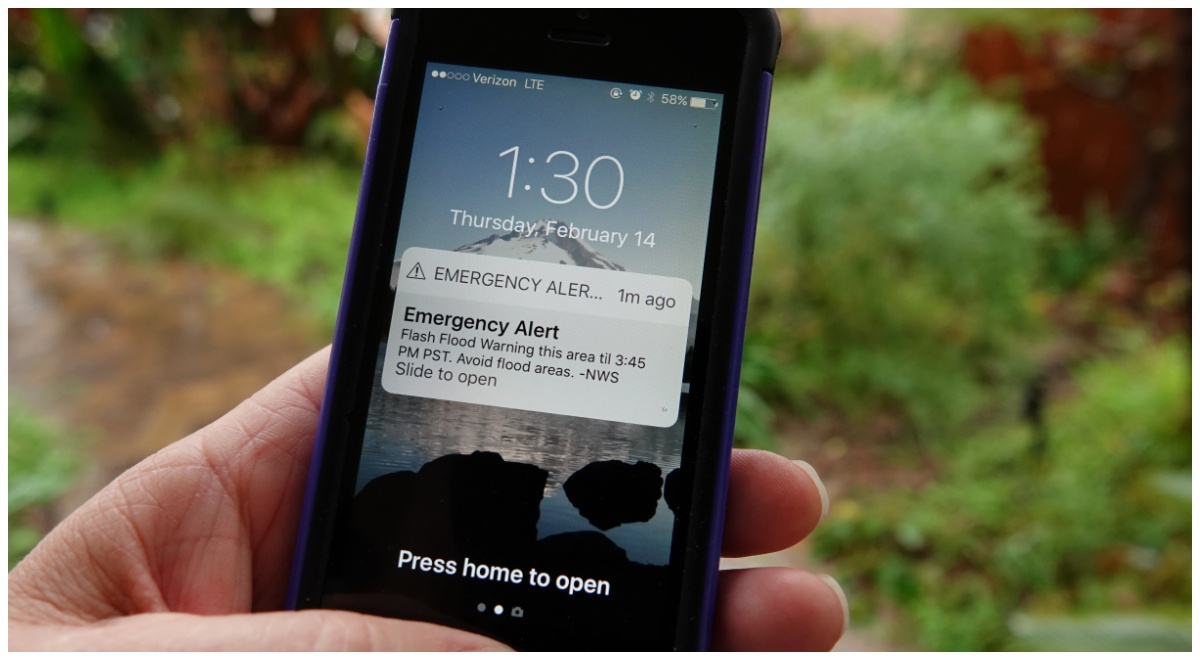
Image by Simone Hogan | Shutterstock

 Follow us
The US Federal Communications Commission voted this week to conduct a full review of the national Emergency Alert System (EAS). The move comes after outraged Texans say they did not receive timely warnings in the lead up to last month’s deadly storms.
US Senator John Cornyn (R-TX) has been urging the FCC to re-evaluate and take on the “Modernization of the Nation’s Alerting Systems,” zeroing in on the failure of the EAS systems utilized during the fatal flash flooding.
“As you are aware, the State of Texas was recently impacted by catastrophic flash flooding that took the lives of more than 130 Texans, including dozens of children,” the Senator wrote in a letter to the FCC dated July 29th.
“This disaster shocked the nation and ignited a vigorous discussion on how our Emergency Alert System (EAS) and Wireless Emergency Alerts (WEA) can be improved to mitigate future loss of life during major disasters,” Cornyn said.







Although the emergency alerts had been “transmitted as designed by the system,” the Republican Senator said in his letter that it is the responsibility of Congress and the FCC to “constantly evaluate whether the design can be improved.”
It appears the FCC agreed. On Thursday, FCC chairman Brendan Carr announced on X the Commission's plans to "launch a top-to-bottom review" of both the Emergency Alert System (EAS) and the Wireless Emergency Alert (WEA) program.
Today, the FCC voted to launch a top to bottom review of the Emergency Alert System (EAS) and the Wireless Emergency Alert (WEA) program.
undefined Brendan Carr (@BrendanCarrFCC) August 7, 2025
We want to ensure that these programs deliver the results that Americans want and need.
The FCC said the “ground-up review” is necessary to determine if fundamentally changing the current system's structural design will make them “more effective, efficient, and better able to serve the public’s needs.”
Some EAS systems are more than three decades old
The EAS and WEA systems are designed to allow the US President and government authorities to send national emergency alerts to the public. The EAS communicates public alerts through radio, television, satellite, and cable systems, while the WEA sends its alerts to mobile devices.
According to the FCC, the current systems run on underlying frameworks that are between 13 and 31 years old.
"It's time for the FCC to ensure it is leveraging the latest technology to save lives,” the Commission said.
Part of the review will examine whether the types of information transmitted and their distribution methods are as effective as they can be, considering both the public and emergency officials. The need for resilience, geographic targeting, and security will also be examined.
Cornyn says using input from state and local disaster management officials is paramount – although many of the same disaster management officials have been blamed for the July 4th tragedy, specifically for failing to alert residents in more remote areas by choice.
Still, the Senator states that their input “will be critical for ensuring the systems work not only at a technical level, but in a manner that invites robust, nationwide utilization.”




On August 1st, the FCC, along with the Homeland Security Bureau and the Federal Emergency Management Agency (FEMA), issued its own public EAS security advisory, urging authorities responsible for maintaining EAS and WEA equipment to update their software immediately to the most recent versions.
The advisory states that a potential vulnerability in certain EAS encoder/decoder devices using outdated software could allow an unauthorized actor to issue EAS alerts over the EAS Participant’s infrastructure.
“The Bureau urges all EAS Participants, regardless of the make and model of their EAS equipment, to upgrade their equipment software and firmware to the most recent versions recommended by the manufacturer and secure their equipment behind a properly configured firewall as soon as possible,” it said.
Coinciding with the FCC proposal, the Associated Press on Friday released a damning timeline of how the flooding unfolded, depicting the chaos for affected residents and emergency responders, compiled from a collection of emergency recordings and videos.