Largest FCC fraud case: former telecom CEO stole $110M meant for poor families
The former CEO of the now-defunct Florida telecom company Q Link Wireless was sentenced to five years in prison for orchestrating the largest fraud in Federal Communications Commission (FCC) history.

Image by Cybernews.

 Follow us
The former CEO of the now-defunct Florida telecom company Q Link Wireless was sentenced to five years in prison for orchestrating the largest fraud in Federal Communications Commission (FCC) history.
A years-long scheme siphoned funds from Lifeline, the FCC program established in 1985 and designed to provide discounted monthly cellular service for low-income families.
Between 2012 and 2021, Issa Asad, 51, and Q Link Wireless repeatedly cheated government programs by making false reimbursement claims, wrongfully taking and retaining Lifeline funds, and deceiving the FCC about its compliance with program rules.
Asad and Q Link agreed to pay the FCC $109,637,057 in restitution. Including additional financial penalties, the total amount exceeds $128 million.
Asad also laundered money from a separate scheme, defrauding a different federal program that helped individuals and businesses affected by the COVID-19 pandemic. Last week, the former CEO received a 60-month imprisonment sentence.
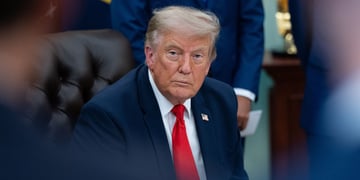





“Q Link and Asad stole funds from a key FCC program meant to serve low-income households,” said Inspector General Fara Damelin of the FCC, Office of Inspector General (FCC-OIG).
This criminal plea deal is the largest ever in the Southern District of Florida and the biggest criminal case involving the FCC.
“Asad and his company, Q Link Wireless, deliberately scammed two vital government programs aimed at supporting people and companies in economic distress, wrongfully diverting hundreds of millions of dollars for their personal benefit and gain, all while impeding the government's capacity to assist those who genuinely required the help,” said US Attorney Hayden P. O’ Byrne for the Southern District of Florida.
The fraudsters used many tricks to mislead the FCC about how many people were actually using Q Link’s Lifelink phones, as well as preventing customers from leaving so they could keep billing the program. They “manufactured non-existent cellphone activity and engaged in coercive marketing techniques.
On one occasion, Q Link used an automated script to falsely warn customers that their “Medicaid, Food Stamp, and Lifeline benefits are about to get cancelled,” urging them to press 1 to indicate their wish to remain enrolled, coercing them into accepting Lifeline services.
In another intercepted call, a customer, who called to cancel due to a non-working cellphone, was told to “Just make sure you continue to use the device at least once every 30 days.”
“Upon learning that the FCC was investigating their Lifeline billing, Asad and Q Link created and provided false records to the FCC to conceal the scam and to continue collecting reimbursement,” the Department of Justice press release reads.
Q Link never corrected past claims for customers who weren’t using their cellphones, nor did it return any Lifeline payments, leading to almost 110 losses to the FCC.




“Asad admitted that he sent over $50 million in Lifeline funds to bank accounts he and his family member controlled in Jordan,” the authorities said.
Lifeline is not directly funded by taxpayers. Instead, it relies on telephone fees as part of the Universal Service Fund, a system of telecommunications subsidies and fees managed by the FCC.
Lifeline makes basic communications services more affordable for low-income consumers: deeply discounted monthly cellphone services, broadband internet services, or bundled voice-broadband packages from participating telecoms.
Q Link is now defunct, with its Lifeline customers absorbed by StandUp Wireless.