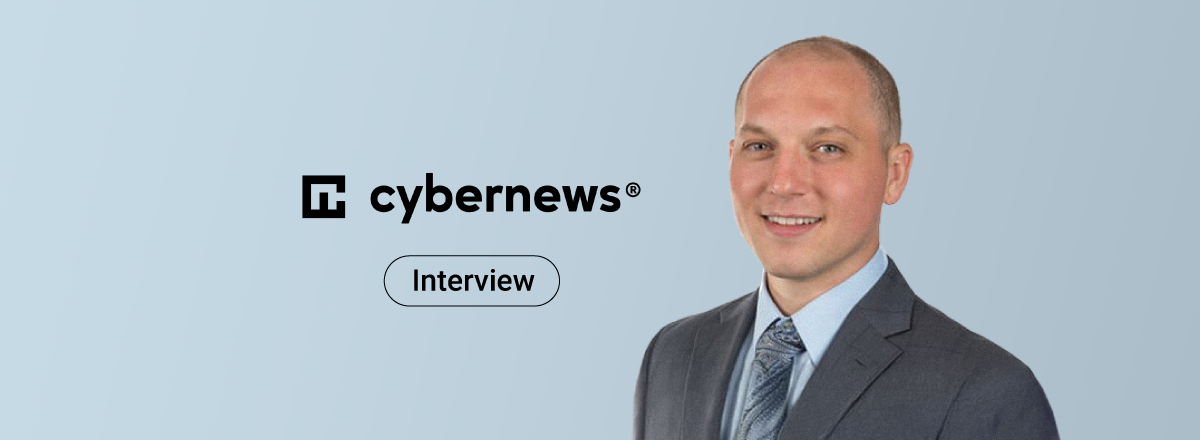
Bogdan Glushko, SalvageData: “data recovery isn’t just technical – it’s personal”

 Follow us
When disaster strikes and data seems lost for good, SalvageData steps in – often tackling the toughest recovery scenarios other firms won’t touch.
CEO Bogdan Glushko draws on a philosophy of relentless problem-solving and leading-edge expertise. Under his leadership, SalvageData has expanded its capabilities and built a team that thrives in high-pressure, high-stakes situations.
In this interview, Bogdan shares how SalvageData approaches everything from ransomware response to digital forensics, and reveals the strategies organizations need to prepare for a world where no data loss challenge is ever “routine.”
How did SalvageData originate? What has your journey been like since launching in 2003?
SalvageData was built on one core principle: never turn away a case, no matter how complex. The company started with traditional recovery from physically damaged drives, but over the years, it’s evolved to handle cloud platforms, encrypted systems, and now, full-scale ransomware recovery.




When I joined SalvageData, what drew me in was that exact mindset. We take on the cases others won’t touch. My role as CEO has been to push that even further, expanding our capabilities, investing in security, and building the kind of team that thrives in high-stakes recovery scenarios.
Can you introduce us to what you do at SalvageData? What are the main data loss or digital forensics challenges you help clients navigate?
I lead the team at SalvageData, and my focus is on making sure we’re ready for whatever data loss scenario walks through the door. Whether it’s ransomware, a corrupted database, or a RAID system pulled from a fire-damaged server room.
We recover data, but we also investigate incidents, decrypt locked systems, and help clients understand exactly what happened and how to prevent it next time. It’s technical work, but at the end of the day, it’s about helping people regain control after a crisis.
What are some of the most common ways data can be lost or compromised, and how does SalvageData intervene to recover it?
We see everything: accidental deletions, drive failures, physical damage, water and fire damage, corrupted backups, and ransomware. In most cases, clients assume the data is gone for good. Our job is to find a path back, whether that’s rebuilding broken file systems, extracting data from encrypted storage, or isolating clean backups from a ransomware hit. We meet the client where they are, so we're there if they need us to be there in person or operate remotely. However, most of the time we have the storage devices shipped to our certified cleanroom laboratory, which is the industry standard since even a speck of dust can scratch a hard drive’s platter.
Have recent global events, such as increased remote work or cybersecurity threats, led to new types of data loss or recovery scenarios?
Definitely. Remote work has changed how and where data is stored: more cloud use, more personal devices, more risk of misconfigurations or exposure. At the same time, ransomware has gotten more aggressive, often targeting backups and demanding payment within hours.
We’ve had to adapt quickly by expanding our ransomware response services, adding support for remote encrypted environments, and building better playbooks for recovery under pressure.
What measures should individuals and businesses put in place now to protect themselves against both physical and cyber-related data loss?
First, have real, tested backups, not just copies sitting in the same environment. Use cloud backups with versioning or air-gapped options like tape or cold storage.
Second, limit access. Many breaches come down to poor permissions or unmonitored endpoints. And finally, prepare for the worst – have an incident response plan and know who to call when things go sideways.
As more organizations move to cloud-based storage, what are some risks or limitations people might overlook when it comes to data recovery?
People assume cloud equals safe, but that’s not always true. Files can still be deleted, overwritten, or encrypted by malware. Syncing mistakes or misconfigured access controls can also lead to permanent loss.
Cloud providers don’t guarantee full recovery, especially after complex incidents. That’s why we offer cloud recovery services: to help people restore data when standard restore points aren’t enough.
What are some of the best practices organizations should adopt to safeguard sensitive data and prepare for potential data recovery needs?
Build backups with resilience in mind, not just frequency. Think in layers: local, offsite, and immutable backups.
Also, document and rehearse your recovery procedures. If you’re hit with ransomware, the last thing you want is to figure out your plan on the fly. And don’t wait for a crisis – have your systems audited regularly by professionals who know what to look for.
Looking ahead, what trends or innovations do you foresee shaping the future of data recovery and digital forensics?
Ransomware will continue to drive innovation, especially around automation and AI-driven detection. We’re also seeing growing demand for recovery from hybrid environments: local, cloud, and encrypted devices all interacting.
On the forensics side, deeper analysis of metadata, mobile apps, and IoT devices is becoming essential. Our job is evolving from just recovering files to reconstructing full digital events.
And finally, what’s next for SalvageData? How are you preparing to meet future demands in an increasingly data-driven world?
We’re investing heavily in both technology and people, from advanced decryption tools to forensic training and partnerships with cloud platforms.
We’re also expanding our ransomware response unit to handle the growing demand for fast, secure recovery in crisis situations. At the end of the day, our goal stays the same: be the team you trust when data is on the line – no matter how complex the case.