Faux law firms exploiting crypto scam victims: FBI raises the red flags
Scam victims, who have already lost billions to crypto fraud, are suffering additional millions of dollars in losses to fictitious law firms and faux lawyers who promise to help recoup the stolen coin. The Federal Bureau of Investigation (FBI) has released a list of red flag indicators to help identify these schemes.
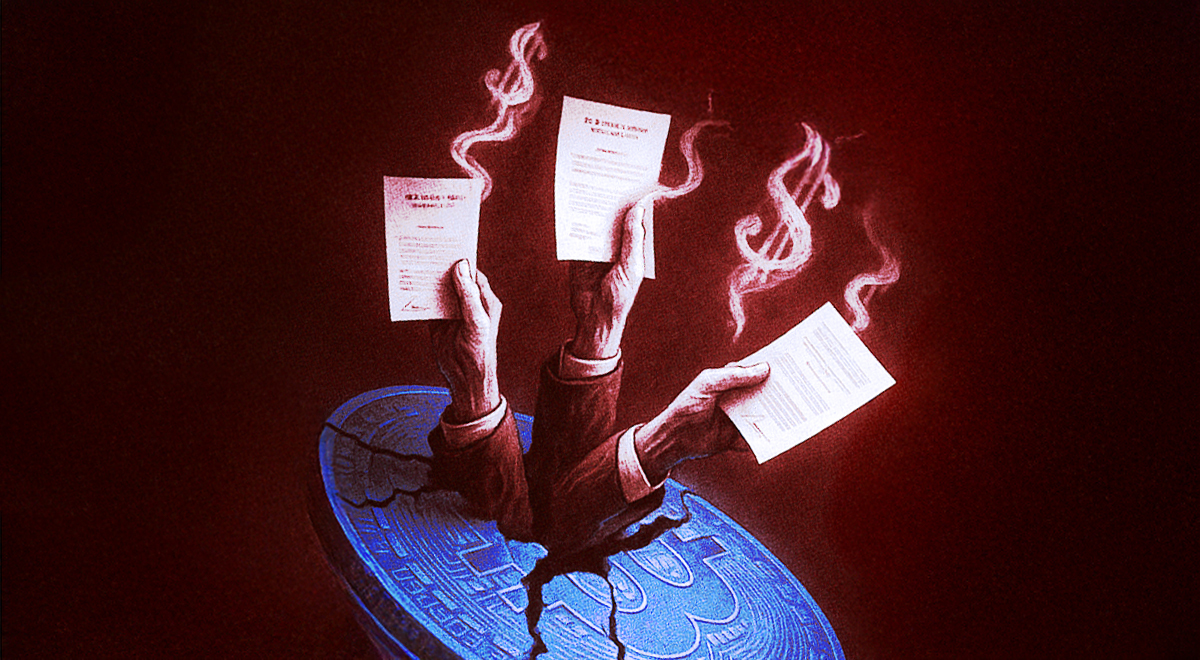
Image by Cybernews.

 Follow us
Scam victims, who have already lost billions to crypto fraud, are suffering additional millions of dollars in losses to fictitious law firms and faux lawyers who promise to help recoup the stolen coin. The Federal Bureau of Investigation (FBI) has released a list of red flag indicators to help identify these schemes.
Last year, over 41,500 reports were filed with the FBI about losing money to cryptocurrency investment fraudsters. Almost $6 billion has vanished.
Each year, the FBI attempts to warn scam victims that fake lawyers attempt to dupe them for the second time. In 2024, the FBI calculated yearly losses to stand at around $10 million.
This scheme combines a number of exploitation tactics. Fraudsters target vulnerable groups, particularly the elderly, and exploit victims’ emotional state and financial need to recover funds from a previous scam. They give victims hope, a sense of safety, and security by impersonating or falsely affiliating themselves with multiple government entities.
However, ultimately, fraudsters steal personal data and even more money, undermining trust in legitimate lawyers whom they impersonate.






The FBI has released a new public service announcement detailing the red flag indicators of fictitious law firm activity:
- Fraudsters pretend to be lawyers from legitimate law firms and forge documents with a legitimate law firm's insignia or letterhead.
- They might refer victims to a “crypto recovery law firm.”
- They impersonate or claim to be official authorized partners with various US and foreign government or regulatory entities. No law firms are officially authorized partners of the US government agencies.
- Criminals often refer to fictitious government or regulatory bodies, such as the International Financial Trading Commission (INTFTC) or similar. Double-check whether an agency even exists.
- Requesting payment in cryptocurrency or prepaid gift cards signals fraud. The US government never requests payments for law enforcement services.
- Scammers might have knowledge of the exact lost amounts, dates, previous wire transfers, and the third-party company where the victims previously sent funds.
- They mention “legal channels” through which victims can recover their money, or say that the victim was on a government-affiliated list of scam victims.
- Fraudsters falsely state that they found lost funds in an account held at a foreign bank and tell victims to register an account at that bank. While the website might appear legitimate, it will be a fraudulent platform to facilitate ongoing schemes.
- Cybercriminals prefer to place victims in a group chat on WhatsApp or other messaging applications. They might claim this is for secrecy and safety, because they’re foreign bank processors or attorneys. Also, scammers will say that bank fees must be paid to verify identity or ownership before the funds can be withdrawn.
- Scammers are unwilling or unable to provide credentials or a licence, nor appear on camera or conduct video meetings.
- They request that victims send payment to a third-party entity (e.g., a trading company) to maintain secrecy and safety.
The FBI urges taking careful due diligence before hiring a law firm.
“Use a ‘Zero Trust’ model in these circumstances, which assumes no one should be trusted by default and every request should be verified,” the announcement reads.
“Be cautious of law firms contacting you unexpectedly, especially if you have not reported the crime to any law enforcement or civil protection agencies.”




The FBI recommends always requesting video verification, a law license photo, or official documentation, and assuming that the lawyers are not legitimate until this is readily provided. The same precautions apply to anyone claiming to work for the US government or law enforcement: request verification of employment, or call the local office and request to verify their identity.
“Require notarized proofs of identity from the supposed lawyers before continuing any further communications and transactions,” the FBI said.
“Keep records, including recordings of video chats of all interactions.”