More than half of Americans have had their personal data leaked online, study shows
More than half of Americans say they’ve been the victim of a data leak, while another 46% say they’ve never checked to find out, meaning their personal data may be at risk.

Image by Cybernews.

 Follow us
More than half of Americans say they’ve been the victim of a data leak, while another 46% say they’ve never checked to find out, meaning their personal data may be at risk.
That’s according to new research published by internet privacy and security company NordVPN.
The detailed statistics, released last week, coincide with the company’s latest push to raise cybersecurity awareness among US residents – half of whom are proven to be behind the power curve when it comes to online safety.
The research shows that even though an average 88% of Americans have heard of the dark web, less than half have checked to see if their personal data has been found on it.
What’s more, close to 60% of Americans say they use public WiFi without any security tools to help protect them, leaving more than half the population free-wheeling on the web, so to speak.




Of those unlucky enough to have suffered a data leak, the numbers show about 40% found out through an official breach notification sent by the company or other authority, with another 20% of Americans learning the hard way, by checking themselves.
Whether a novice script kiddie or a skilled ransomware operator, cybercriminals are known to frequent hacker marketplaces and other nefarious websites, buying, trading, and selling reams of stolen data every day – many of the caches containing the personally identifiable information (PII) of millions of Americans.
Sadly, 66% Americans already believe their data is up for sale on the dark web or on hacker forums.
Not surprisingly, those in the Boomer generation were the least savvy when it came to checking for data leaks at around 33%, while 50% or more of individuals from Generations Alpha to Z have reportedly done some hard digging.
As for the gender divide, it also appears that overall, men may have a leg up, with 53% having checked to see if their data has been leaked online, while only 39% of women have done the same.
"Ask a hacker" event backs new research statistics
Hoping to rectify those odds, the cybersecurity company set up a stage in the heart of Times Square last week, giving New Yorkers a chance to talk one-on-one with Nord’s stable of whitehat hackers to find out if their personal information has indeed been compromised on the web.
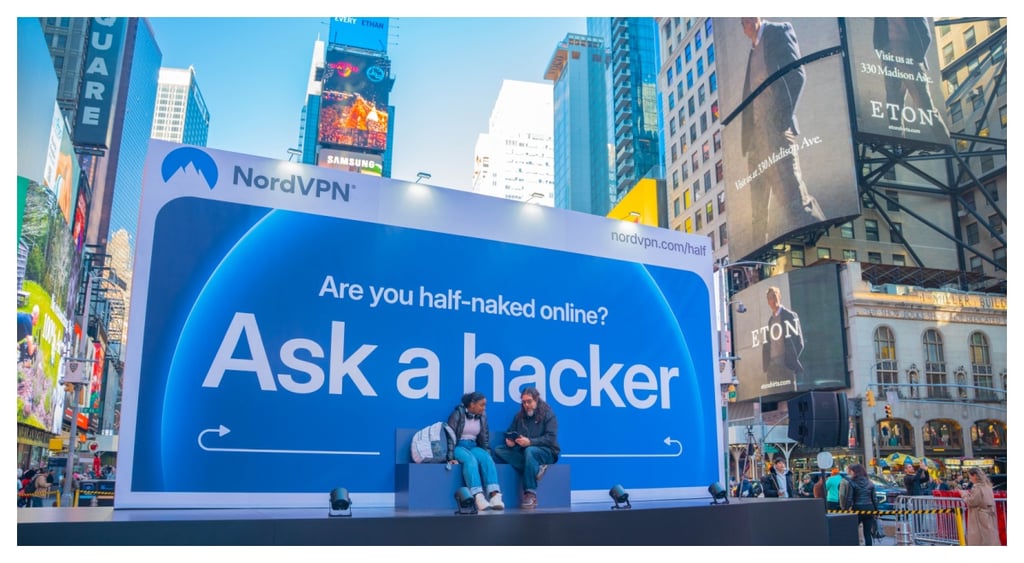
With half of Americans having already discovered that their personal data has been leaked online, NordSecurity's VPN arm warns that the security risks individuals face today “are far from hypothetical.”
"Americans are walking around with a dangerous false sense of security. It's like installing a sophisticated alarm system on your front door while leaving all your windows wide open,” said Toma Sabaliauskiene, CMO at NordVPN.
The conversation on this topic is live. Join in the discussion.
Sabaliauskiene says the Times Square experience – dubbed “Ask a hacker” – clearly show Americans’ “vulnerability live and up close."
The whitehat hackers pulled reports for those brave enough to volunteer and have their cyber hygiene put on display, “revealing personal details, including passwords, phone numbers, home addresses, Social Security numbers, and sometimes even the make and model of the car they drive,” the company said.






Other information gleaned by the ethical hackers included the person’s online interests, like their favorite bands; what platforms they were active on, such as dating, gaming, and fitness apps; and, of course, the username most commonly chosen to create their many online accounts, and sometimes the passwords to go along with it.
But, more importantly, the individuals also learned if their devices were infected with malware, what kind, and how to get rid of it, as well as what personal information may have already been breached without their knowledge.
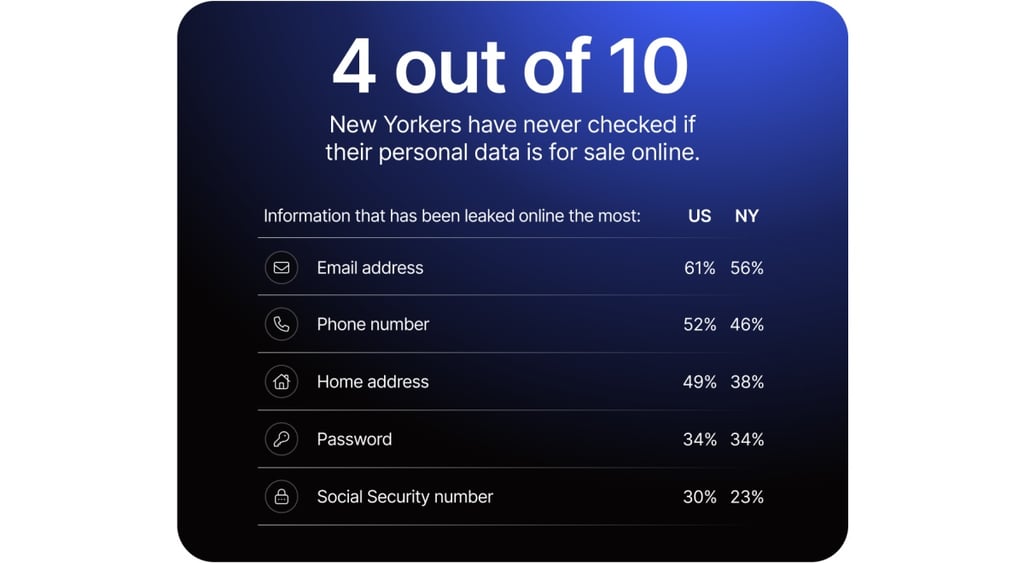
"The participants’ reactions were powerful – we saw genuine shock on people’s faces as they realized just how exposed they really were,” said Sabaliauskiene.
NordVPN also noted that although the majority of Americans were most concerned about having their Social Security numbers and bank or credit card account numbers stolen by cybercriminals, the most common personal information exposed in data leaks consists of contact information, such as name, street address, phone number, and email address.
This kind of data, although easily found on the web with little effort, puts users at risk of targeted phishing attacks and other financial scams.
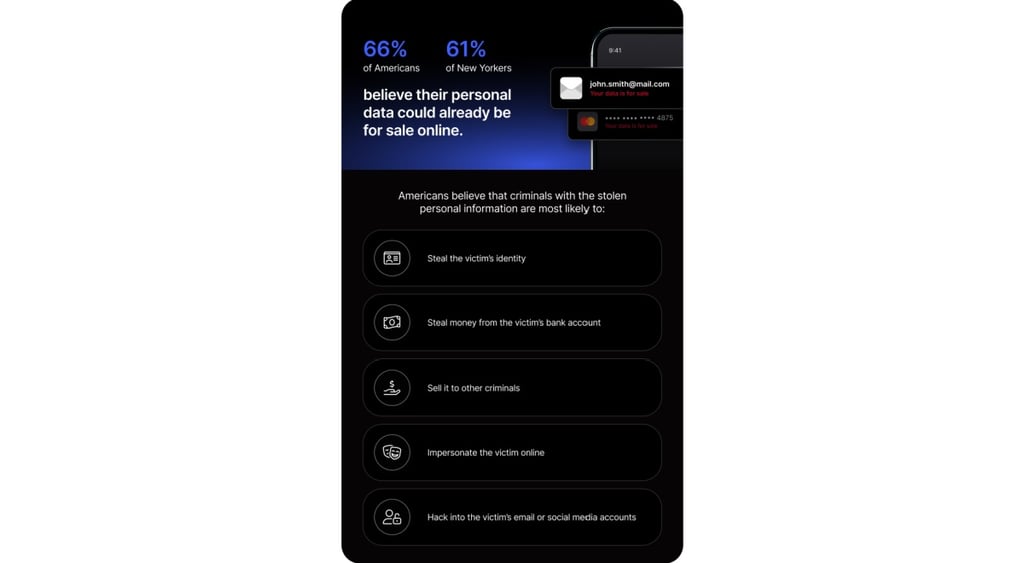
Additionally, the statistics show that Americans are equally concerned about bad actors using their personal information to impersonate them online, steal their identities, and hack into their email and social media accounts.
One of the other interesting facts revealed in the survey was that nearly three-quarters of Americans were under the false impression that antivirus software would keep the personal data in their devices safe from bad actors if they were using public WiFi, and protect them from identity theft and other fraud.
For those ready to take the plunge and find out if your personal data has been leaked online, you can check out NordVPN's Dark Web Monitor tool.
Unlock more exclusive Cybernews content on YouTube.