Orange Belgium adds an additional check to number transfer process to prevent SIM swapping
After recently suffering a data breach, Orange Belgium has decided to implement an additional check against SIM swapping.
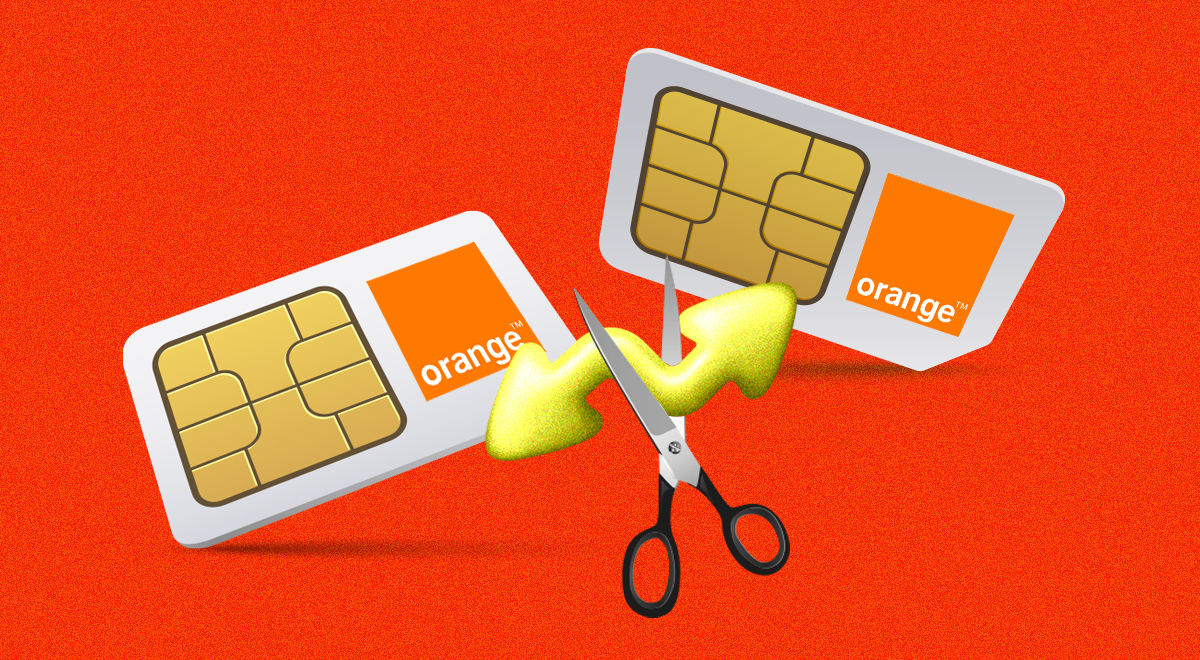
Image by Cybernews.

 Follow us
After recently suffering a data breach, Orange Belgium has decided to implement an additional check against SIM swapping.
In August, Orange Belgium discovered an intrusion on one of its IT systems by an unauthorized party. The attackers managed to lay their hands on personal data from 850,000 customer accounts, including full names, phone numbers, SIM card numbers, tariff plans, and PUK codes.
“As soon as the incident was discovered, our teams blocked access to the affected system and strengthened our security measures. Orange Belgium also alerted the relevant authorities and filed an official complaint with the judicial authorities,” the telecom provider stated in a press release at the time.
As of writing, the incident still isn’t fully handled because the stolen data may pose an increased risk of SIM swapping, meaning a scammer can potentially transfer a victim’s telephone number to a SIM card that’s in his possession.
Once fraudsters get hold of someone else’s number, they can abuse their number for further scams. Phone numbers are often used to receive verification codes to log in to online accounts, change passwords, or verify financial transactions. As you can see, in the wrong hands, a phone number can potentially do a lot of harm.







Therefore, the Belgian Institute for Postal Services and Telecommunications (BIPT), Belgium’s telecom sector supervisor, has suggested adding an additional check to the phone number transfer procedure. Orange Belgium has agreed to this.
As of now, if Orange Belgium receives a request to transfer a phone number to another operator, it will send a verification text message to the customer concerned. If the customer didn’t initiate the number transfer, they may cancel the request by simply replying ‘STOP.’ They have eight hours to complete the task.




If the customer doesn’t respond, their number will automatically be transferred to another provider. The BIPT will periodically evaluate the implementation of this measure and make adjustments if necessary.
Lastly, the supervisor advises people that they should always be vigilant of misuse of telecom services and take precautions. “Strengthen the security of your access (e.g., two-factor authentication for online services), be careful with personal and detailed information posted on social networks, and remain alert to suspicious calls or messages,” the BIPT said in a press release.