Bored of receiving unwanted sexts? This app is giving daters control over consent
Cyberflashing is a real problem when it comes to online dating, but one dating app has launched its novel “Consent Guard,” which should put an end to non-consensual sexual content.

Image by Cybernews

 Follow us
Cyberflashing is a real problem when it comes to online dating, but one dating app has launched its novel “Consent Guard,” which should put an end to non-consensual sexual content.
Roughly 38% of online daters have received explicit content they didn’t ask for, according to the dating app Hily. This is commonly known as cyberflashing.
Cyberflashing is similar to that of in-person flashing, when someone exposes their genitalia to another person. However, the difference is that this flashing is done in cyberspace.

It can have an adverse effect on online daters, who aren’t expecting this kind of lewd material, says Hily dating app sexologist and sexuality educator, Dr. Mindy DeSeta.






“The sudden, unexpected nature of an unsolicited sext or photo is jarring, to say the least,” Dr. DeSeta told Cybernews, and “for many it is a violating experience that can make the receiver feel anger, shame, and powerlessness.”
Specifically, for survivors of sexual assault, this…can bring back traumatic memories, create flashbacks… or reactivate feelings associated with past traumas,” Dr. DeSeta told Cybernews.






That’s one of the reasons why the dating app Hily has created a feature called “Consent Guard,” which allows users to take control of what sexual content they’re receiving online.
The app said that the new feature is all about “empowering users with consent-first sexuality,” which allows users to set their own boundaries when it comes to sexting.
In this case, both users have to consent to being sent a sexually explicit image, meaning that if a person doesn’t want to receive the sext, they won’t have to see it.
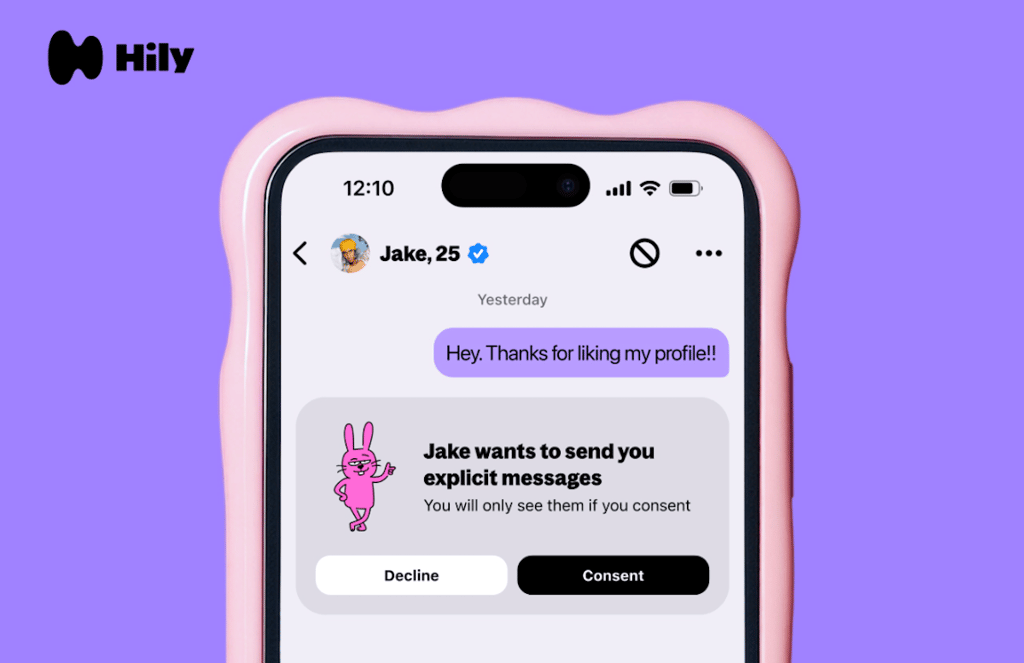
Hily, pronounced “highly,” has used a combination of machine learning models and algorithms to search for specific words in text conversations and scan visual content for indicators of sexual material.
The app claims that this scan is supposedly anonymous, not linked to any personal data, and never scans conversations with users.
When certain words or visual features are detected, a message that reads “Someone wants to send you explicit messages” will pop up on a user's device.
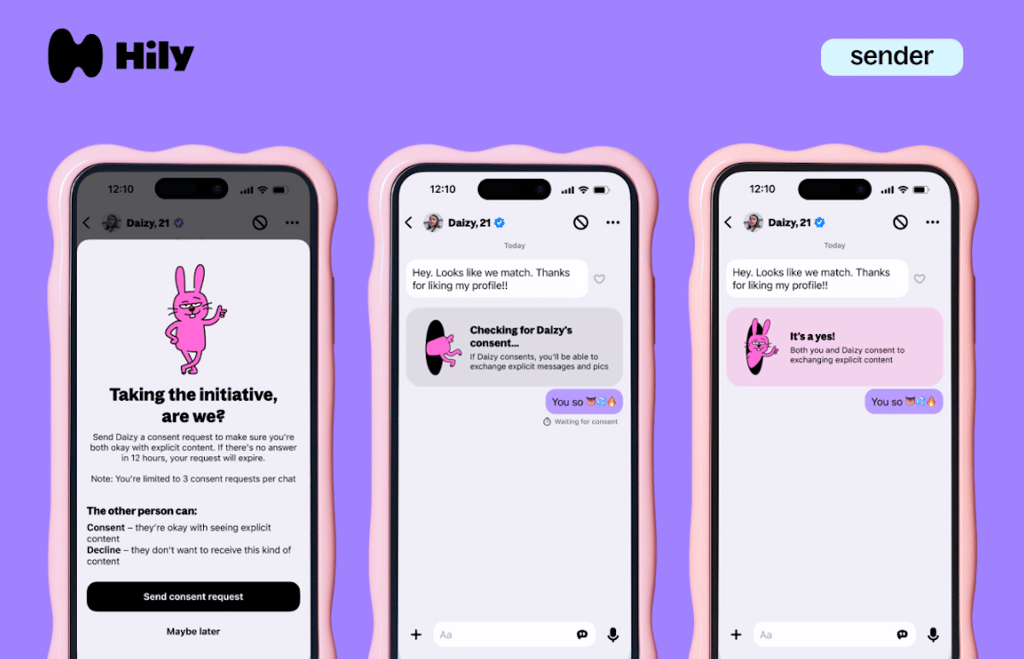
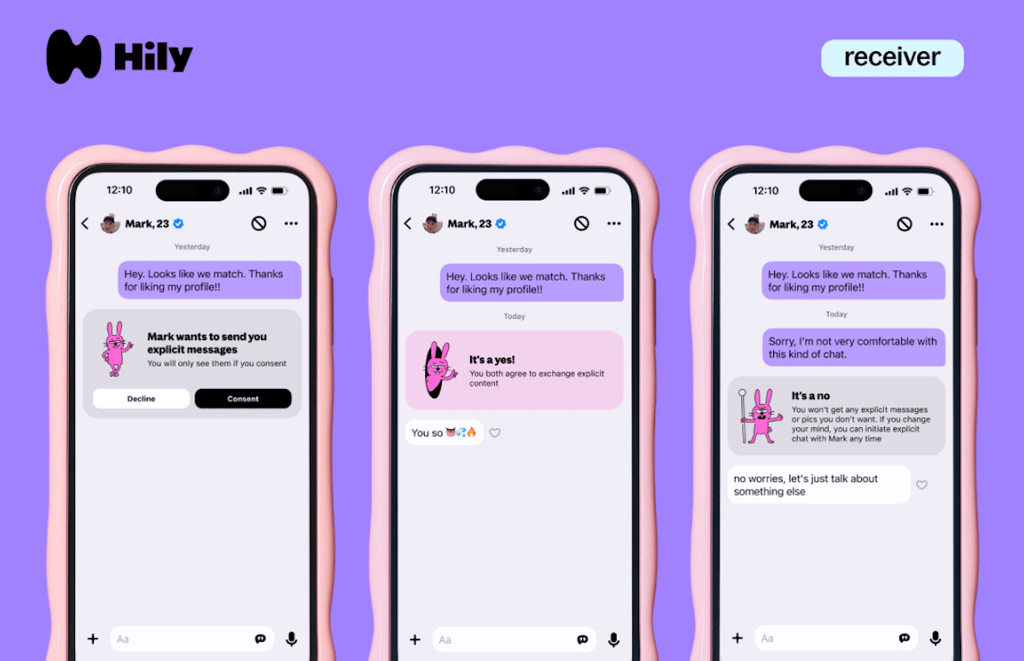
From there, you can either press consent or decline the sext. However, it’s not black and white, as a user can change their settings if they want to start receiving sexts from the person they initially declined.
The feature was actually created in collaboration with Dr. DeSeta, who provided insights on the culture of consent.
Other apps like Tinder, Bumble, and Hinge don’t appear to be using cutting-edge technology to help tackle the issue of non-consensual sexting.
However, apps like Tinder have established measures such as community guidelines and guides to help users navigate the app respectfully.
The Hily app has over 10 million downloads on the Google Play Store and has over 273,000 reviews on the Apple App Store.
Unlock more exclusive Cybernews content on YouTube.