Redditors: when it comes to surveillance, the US is just like China
From moving to the woods to downloading Wikipedia and flooding social media with fake posts, internet users are sharing chilling thoughts about tightening surveillance.
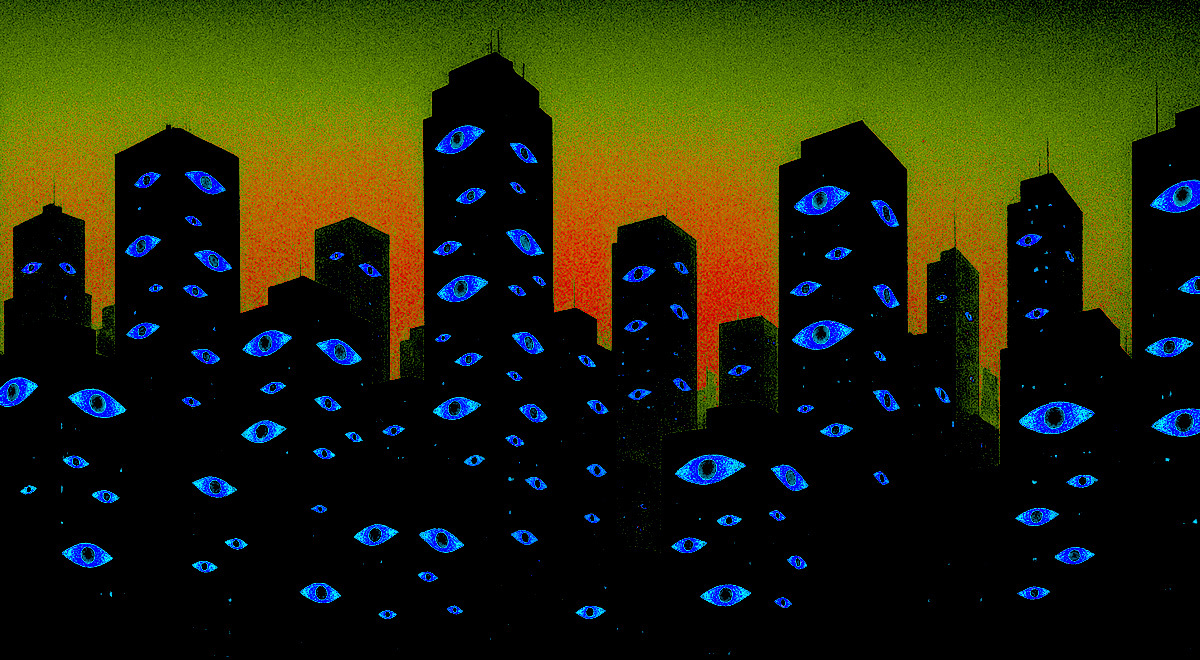
Image by Cybernews

 Follow us
From moving to the woods to downloading Wikipedia and flooding social media with fake posts, internet users are sharing chilling thoughts about tightening surveillance.
Remember when China was the go-to example of an Orwellian surveillance state? Some Redditors say the US is now catching up fast.
Reports have recently surfaced that ICE has obtained access to Israeli-made spyware capable of hacking phones and even encrypted apps.
The Trump administration reportedly contracted Paragon Solutions, providing the immigration agency with one of the most sophisticated hacking tools on the market.
“We used to speculate about a 100% surveillance future. It looks like it has arrived, and we're living in it,” one user asked on Reddit’s digital agora.




But if the spyware is meant for immigration enforcement, how long before it creeps into the hands of other government agencies?
“We are 100% living in a surveillance state”
The reaction on Reddit was immediate and blunt.
“This century sucks,” one user wrote. Others piled on, mixing dark humor with stark warnings: “I'm going to agree with you, but also remind you that the last century was no picnic either.”
“Seriously. We were supposed to have flying cars and robot maids and stuff. But we ended up with lame-ass AI and possibly a surveillance state. Wtf.” outraged another.
The disaster list expands rapidly while scrolling through the Reddit thread.
“Don't forget fascism!”
“Don't forget globally dropping birthrates, life expectancy going backwards, increasing wealth inequality, and anthropogenic climate disasters.”
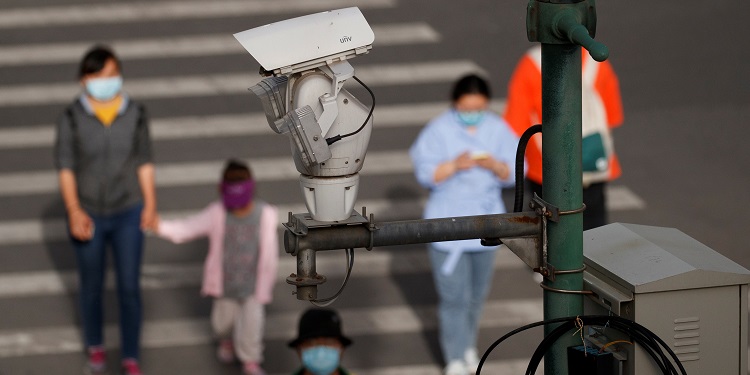
Comparisons of the US to authoritarian regimes were frequent.
“It's kind of terrifying to see 'democratic' countries do the same massive overreach and control that authoritarian countries like Russia and China do,” wrote one commenter.
Other Redditors discussed the fact that the only difference between the US and China is that “Americans are under the illusion they are free.”
Several users argued the West’s opacity only makes the problem worse: “China is honest about it, much more honest than the US or other Western nations ever have been.”
Commenters pointed to past surveillance programs and the Snowden revelations as warning signs that went unheeded.
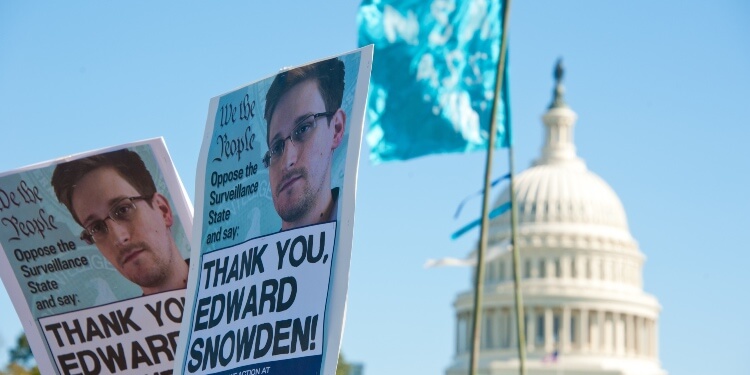
“The turning point was Snowden's revelation that the government was illegally spying on citizens and not following the Constitution. Nothing was done.”
That sense of institutional failure feeds the fear that what starts as targeted tools for immigration or national security will expand to policing, protest control, and political opposition tracking.
“Not sucking corporate dick or licking cop boots hard enough? Prepare to see your digital experience dramatically change to push AI-driven propaganda at you,” dropped one commentator.
“What makes it even more concerning is the mission creep we’ve already seen with other surveillance tools,” one user summed up.
“Once the infrastructure exists, it rarely shrinks. It expands.”
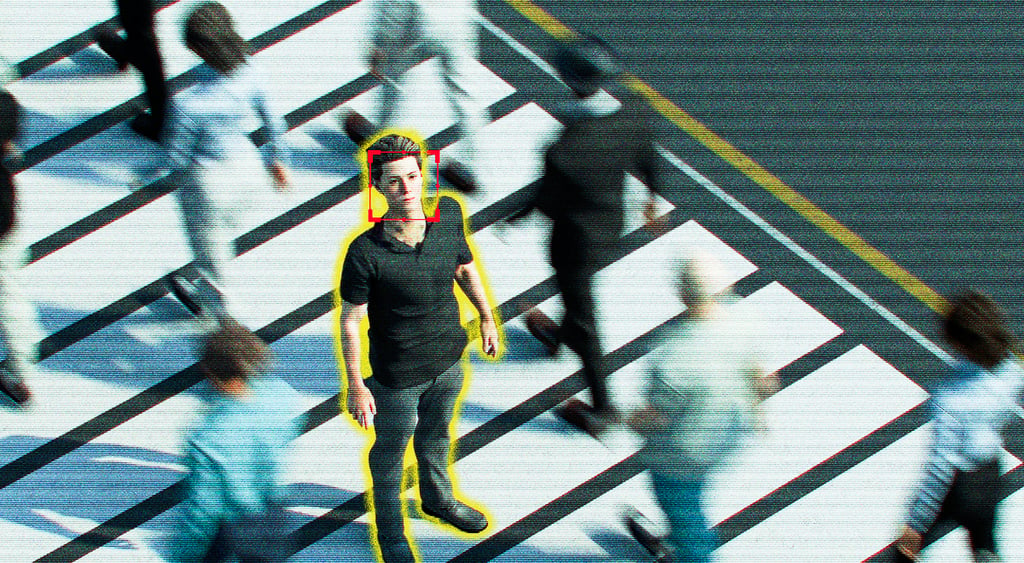
The thread also spiraled into dystopian scenarios.
“Literally 1984 type shit,” one person wrote. Another poster spelled out why the stakes feel existential.
“This is maybe the most terrifying issue of our time... In the past, tyrannical governments have tended to eventually collapse. I’m not so sure that happens in a complete surveillance state. It’s a threat we cannot accept, and it is a threat I am ready to fight.”
And it isn't just paranoia. Many grounded their alarm in the everyday mechanics of surveillance capitalism.
“As far as I'm concerned, we've been spied on for at least the last 10 years. The second you agree to a tech company's ToS, the data you give them… goes through as many AI/computers as is legally allowed that sparse through it all in an effort to create psychological profiles on their users,” one commenter noted.
Others pointed to private cameras, automated license-plate readers, and data brokers as the physical infrastructure already enabling total visibility.
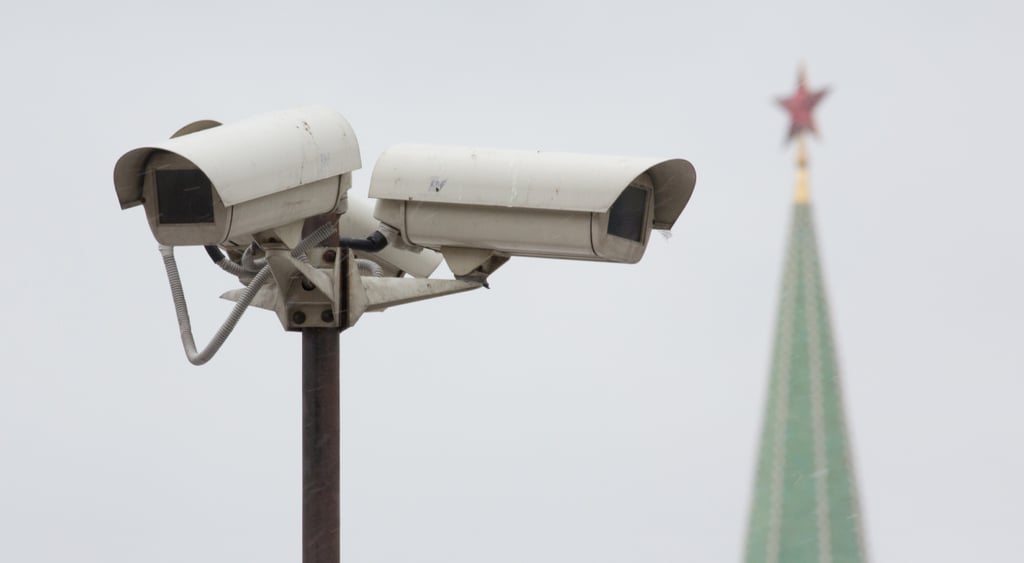
“They sell the info to law enforcement if they want it,” wrote a user.
“1960s: I can’t say that about the government. They could have tapped my telephone line. 2015: hey wiretap! Can you order me McDonald's? 2025: your health insurer has denied you coverage because you have a history of eating too much McDonald's,” another joked.
Some users framed the surveillance debate in stark class terms, pointing the finger at entrenched elites.
“The ultra-rich and powerful are taking control of the world. They want all the control they can get,” one wrote, arguing that the spread of spyware and data tracking serves those already in power.
Others took the cynicism even further, joking that surveillance itself had become a marker of survival.
“If you're being surveilled, you're still alive. Congrats on not being killed off by the elites yet.”
What can beat surveillance?
Commenters let their imagination run free and speculated about what could end mass surveillance. The emotion is unified: cut the digital cord, shrink your footprint, and move conversations back into places that are harder to scrape and monetize.
“I have a hope that the more oppressive and manipulative digital communications and platforms become, the more people will abandon them en masse. Either by creating alternate platforms or reverting to primarily analog modes of communication centered in local communities,” one commenter wrote.
Others framed this as a gradual retreat.
“I mean, this is just the start of everyone getting offline as much as possible. It’s not worth it anymore… This is where we’re headed, along with having device-free conversations if you plan to criticize the government.”
Some offered choosing alternative devices, such as “dumb” phones. Others warned of legal pushback, as governments could ban such devices or choke supply chains.




“Just tell the companies not to sell them anymore in the US,” a commenter noted, with others adding that it is already happening.
And as several users reminded the thread, even “dumb” phones often hide tracking features.
“I have one of the dumbest phones on the market: a Nokia 2780. It still has GPS tracking and KaiOS.”
Others noted that it doesn’t matter if it is a smart or dumb phone.
“They can still snoop on all your texts, know what towers you're connected to, triangulate your location, etc... You have no privacy at this point.”
Some ideas seemed more original. Some users offered to use AI to flood social media accounts with fake posts about themselves and trick the algorithm. Others argued that we don’t need AI to do this, as it could be done by the user themselves.
However, critics pointed out the blunt reality: if the state really wants access, many of these workarounds fail.
“That won't matter since they'll have access to your phone,” one Redditor countered.
“I'm convinced everything digital is recorded forever and is or shortly will be searchable, easily cross-referenced, and available in real time to the government and businesses that pay for it. It's here and there's nothing you can do short of going off grid and living in the woods,” one Redditor warned.
“Download Wikipedia”
The UK’s new Online Safety Act has freaked out many people. Wikipedia has also been caught in the mess of age checks, raising questions about whether it could survive. The Wikimedia Foundation has already warned that the law could break the way the site works, and they even tried to challenge it in court.
Some Redditors aren’t waiting for the “sorry, this site is unavailable in your country” screen and are offering to take matters into their own hands.
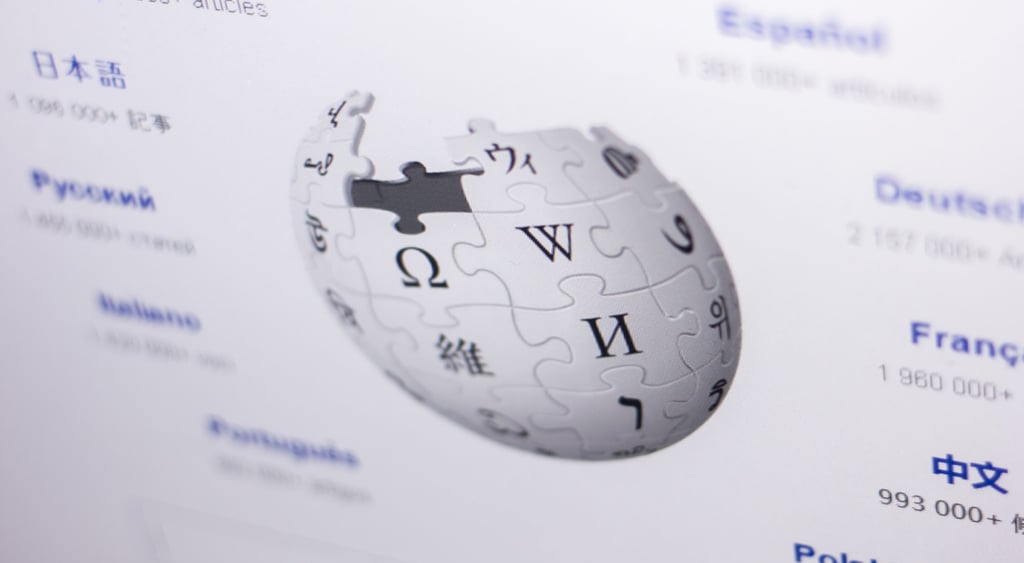
One user pointed out that Wikipedia can be downloaded and viewed locally, and others chimed in to say they already keep 100GB offline backups on hard drives and home servers.
“Yes, but the government can now access your devices and delete things,” another commenter argued, sparking a discussion about the potential return of paper encyclopedias.
Of course, not everyone buys the full dystopia pitch. One user put it bluntly: “You really believe the government is going to track everyone like that? That requires too much, and they’re not going to do it anytime soon. Maybe in half a decade, but not yet. Until then, I’ve figured out something else locally and without access to the internet.”