At-home knee care: The best red light therapy devices for knees, tested
Being behind major reports like The Mother of All Breaches and RockYou2024, our in-house cybersecurity experts and journalists provide unbiased, real-world testing and in-depth analysis.
We maintain complete transparency by openly sharing our testing methodologies with our audience.
Learn more
Knee pain can make even simple movement feel bigger than it should, which is why more people are looking for practical, at-home relief that fits into their daily life. Red light therapy has become a popular option, but not every device is built the same, and the best choice for knee pain depends on more than what’s promised on the box.
In this guide, I looked at the top red light therapy devices for knee pain through my own testing-led, user-first lens, focusing on what matters in practice: comfort, coverage, build quality, and credible certifications. I also compared the available research and real-world feedback so you can cut through the hype and decide whether a device is worth your time and money. If you’re searching for the best red light therapy for knee pain in 2026, this review should help you make a more confident choice.
Top 5 red light therapy devices for knee pain
- Novaa Deep Healing Pad – best overall for knee relief
- Novaa Light Pad XL – best for broader area coverage
- Kineon MOVE+ Pro – best for targeted, joint-level precision
- Lifepro BioRecover™ Infrared Red Light Therapy Knee Brace – best for wearable comfort
- Nushape LipoWrap – best multipurpose design


Our team of in-house researchers, writers and editors reviews and analyzes health tech products using a research-driven approach. We gather data from multiple sources, fact-check all information, and conduct our research based on peer-reviewed studies, expert opinions, consumer ratings, and regulatory approvals.
You can learn more about how we test health tech products here.
How I tested red light therapy knee devices
To find the red light therapy devices that make the most sense for knee pain, I started by narrowing the field to products with credible wavelengths, transparent specs, and enough power to be useful in a real routine, not just on paper. Then I spent 6 weeks comparing how each device felt in daily use: how easy it was to position around the knee, whether the fit stayed comfortable for a full session, how intuitive the controls were, and whether the treatment setup felt realistic enough to repeat several times a week.
Proof-testing the marketing
I also checked whether the brands backed up their claims with recognizable safety certifications and whether the product design matched its purpose, whether that meant a snug knee wrap, a larger pad, or a more targeted device. Just as important, I looked at price in context, because a device only feels like a good value if it’s something you can actually see yourself using consistently. Finally, I weighed user feedback and product transparency alongside the research, so the final picks balance practicality, comfort, and evidence rather than hype.
Why red light knee devices get the spotlight
Red light therapy for knee pain sits in that interesting space between wellness gadget and recovery tool. In simple terms, it uses red and near-infrared light to target tissue around the joint, with the goal of easing discomfort, calming inflammation, and supporting circulation – all without heat, needles, or downtime. The science is promising rather than settled, though, so I’d treat it as a supportive option rather than a miracle fix. Research on photobiomodulation suggests it can reduce pain in knee osteoarthritis, but the overall certainty is still low, which is why device quality and consistency matter so much.
What it may help with
In real life, the appeal is easy to understand: a good device should be simple enough to use regularly and specific enough to target the area that hurts. That’s where design starts to matter. A wrap can feel more natural for everyday use, a larger pad can be handy if pain spreads beyond one spot, and a more focused device may suit people who want precision around one stubborn joint. The best options tend to be the ones people will actually use often enough to build a routine.
The trade-offs to know
This is not a quick-fix treatment, and that’s worth being honest about. Results can be uneven, sessions take time, and higher-quality devices can be expensive. Some users notice meaningful relief; others don’t feel much at all, which is why expectations should stay grounded. The best case for red light therapy is usually as part of a broader recovery plan, especially if you already rely on physiotherapy.
Is it safe?
For most people, red light therapy is generally considered low-risk when you use a reputable device and follow the instructions carefully. The bigger safety question is usually not the light itself, but whether the product is well made, properly certified, and realistic about what it can do. That’s why I paid close attention to certifications, comfort, and ease of use while comparing devices, because the best at-home option should feel reassuring, not fiddly.
What I found after testing
After spending time using these devices, my overall impression was that red light therapy for knee pain works best when it fits naturally into your routine rather than feeling like another chore. The strongest devices were the ones that made it easy to stay consistent: simple to position, comfortable enough to wear or rest against the knee, and clear about how long each session should last. In practice, that mattered more than any flashy claim on the packaging. The products that stood out most were the ones that felt purpose-built for real use, not just clever marketing.
Comfort factor matters
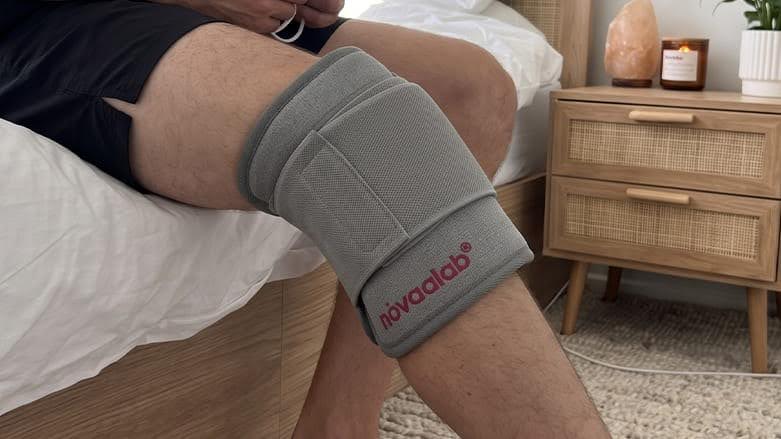
I was pleasantly surprised by how much comfort shaped the experience. A snug wrap-style design can feel reassuring because it stays in place, while a pad can be better if you want broader coverage or a more relaxed setup. The more targeted options felt more focused and clinical, which may appeal if you want a precise treatment area, but they also demanded a little more attention during use. Across the board, I found that the easiest devices to live with were the ones I could set up quickly and forget about while they did their job.
What stood out in daily use
The most convincing part of the testing was not a dramatic overnight change, but the gradual sense that some devices were easier to stick with and more pleasant to use week after week. That is important, because this kind of therapy depends heavily on repetition. I also kept coming back to the fact that results can vary a lot from person to person, so a good outcome is often about choosing a device that matches your pain pattern and your lifestyle. For someone with a single sore knee, precision may matter most; for someone dealing with more widespread discomfort, coverage, and versatility may win out.
My takeaway
My observation is this: the best red light therapy device for knee pain is the one you’ll actually use consistently. The best performers felt intuitive, comfortable, and credible, with a design that made regular sessions realistic instead of annoying. That’s the difference between a gadget that sits in a drawer and one that becomes part of your recovery routine.
What they felt like in daily use
What stood out most during testing was how differently each device fit into everyday life.
- Novaa Deep Healing Pad, my top pick for knee pain, felt like the easiest all-around option: broad, simple, and reassuringly straightforward when I wanted treatment without fuss
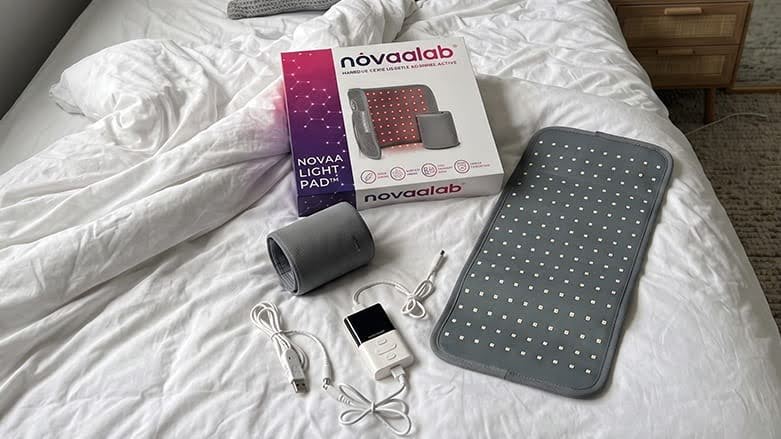
- Novaa Light Pad XL had a more “set it and stay put” feel, and that extra size made it better when I wanted coverage beyond just one stubborn spot around the knee
- Kineon MOVE+ Pro felt the most precise and hands-on; it gave me the sense that I was targeting the joint itself rather than just surrounding tissue, which may appeal to people who like a more focused, clinical setup
- Lifepro BioRecover™ Infrared Red Light Therapy Knee Brace was the most comfortable to wear for longer sessions. It felt the most like something I could actually slip into my routine without thinking too much about it, especially on days when I wanted warmth, structure, and a snug fit without constantly adjusting the device
- Nushape LipoWrap had the most versatile feel, especially when I wanted a device that could move between areas instead of being tied to one exact spot. It’s the kind of option that feels practical if knee pain is only part of a broader recovery picture
Overall, the best devices were not just the ones with the strongest specs, but the ones that felt easiest to use. That matters more than people think, because the real test is whether you’ll actually keep reaching for it on tired, busy days.
Final thoughts: What stood out
After comparing the field, Novaa Deep Healing Pad came out as the best red light therapy device for knee pain in 2026 because it combines a practical knee-friendly design with reassuring safety credentials and buyer protection that make it easier to recommend with confidence. If you want a more targeted option, Kineon MOVE+ Pro is the pick that feels most precise and joint-focused, although its higher price makes it a more premium buy.
For shoppers who care most about comfort and a lower entry point, Lifepro BioRecover™ Infrared Red Light Therapy Knee Brace is the more approachable choice, but it gives up some of the transparency and return-policy confidence that stronger contenders provide.
Other red light therapy devices to increase your well-being
There are other red light therapy devices you can check out to increase your well-being, including:
Best red light therapy devices: from targeted to full-body setups
Best red light therapy for the face: for smoothing, clearing, and boosting skin
Best red light therapy panel: for high-output, full-body home treatment
Red light therapy for weight loss: our picks to support recovery and body contouring
FAQ
Does red light therapy really help knee pain?
It may help some people with knee pain, especially when the goal is to support comfort and recovery rather than replace medical treatment. Early research suggests red and near-infrared light may help with inflammation and circulation, but the evidence is still developing, so results can vary from person to person.
Can red light therapy help tendons and ligaments?
There is some evidence that it may support tendon healing and soft tissue repair, but it is not a guaranteed fix. Think of it as a possible supportive therapy, not a substitute for proper rehab, rest, or medical care when an injury is serious.
Is red light therapy safe to use on knees every day?
For most people, it is generally considered low-risk when used as directed and with a well-made device. The main thing is consistency without overdoing it, so it is smart to stick to the session length and frequency listed in the manual and check with a healthcare professional if you have a medical condition or are unsure whether it is appropriate for you.
Can red light therapy heal a torn meniscus?
Not on its own. Some studies suggest it may help ease symptoms in certain cases, but a torn meniscus often needs a treatment plan based on the severity of the injury, and that can include physical therapy or surgery. A healthcare professional should guide that decision.
How long should I use red light therapy on my knees?
Most devices are designed for sessions of about 10 to 20 minutes, but the right timing depends on the product and its instructions. The safest approach is to follow the manual rather than guessing, because session length, distance, and frequency can differ by device.