Chegg study apps to pay $7.5M for “nearly impossible to cancel" auto-renewal subscriptions
Chegg, a popular online study platform used by millions, has agreed to pay $7.5 million to the FTC over accusations the company made it “nearly impossible” for parents and students to cancel their recurring subscriptions.

Image by Koshiro K | Shutterstock

 Follow us
Chegg, a popular online study platform used by millions, has agreed to pay $7.5 million to the FTC over accusations the company made it “nearly impossible” for parents and students to cancel their recurring subscriptions.
The US Federal Trade Commission says the California-based education technology provider not only made it extremely difficult for consumers to cancel recurring subscriptions, but also would ignore direct user requests to cancel subscriptions.
The company is accused of violating the FTC Act and the Restore Online Shoppers’ Confidence Act (ROSCA) of 2010.
“For years, Defendant (Chegg) has failed to provide subscribers a simple mechanism to cancel recurring charges,” the FTC complaint stated.
“Even after consumers managed to navigate Chegg’s lengthy cancellation processes and believe they have successfully cancelled their subscriptions, in many instances, Chegg continues to charge them,” it said.





Ed tech provider Chegg to pay $7.5 million to settle FTC allegations concerning unlawful cancellation practices: https://t.co/oXLYRFnNpB /1
undefined FTC (@FTC) September 15, 2025
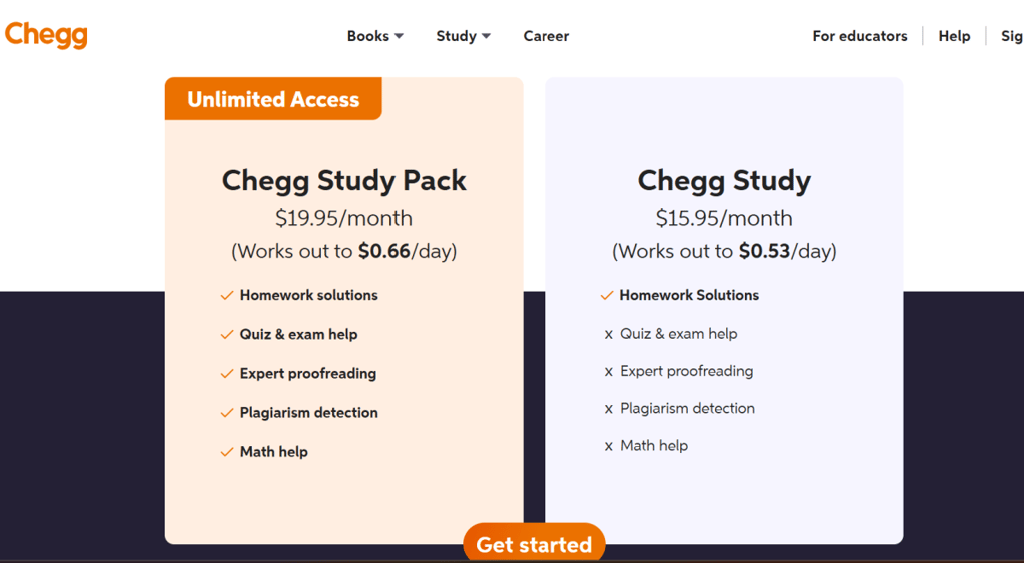
Chegg – which provides AI-powered homework help, digital and physical textbook rentals, online tutoring, flashcards, a plagiarism checker, and other student services – has over 6 million subscribers between its .com and mobile apps, the company’s website shows.
Chegg operates multiple online platforms, including Chegg Study, Chegg Study Pack, Chegg Writing, Chegg Math Solver, Chegg Skills (formerly, Thinkful), Mathway, BibMe, EasyBib, Citation Machine, Cite This For Me, and Busuu.
Subscriptions for its study plans range from $15.95 to $19.95 a month.
200,000 Chegg customers impacted
According to the complaint, since October 2020, nearly 200,000 consumers were still being charged for subscriptions, even after they had requested cancellation – a violation of the FTC Act and the US Restore Online Shoppers’ Confidence Act (ROSCA) of 2010.
Calling the cancellation process “confusing and cumbersome,” the FTC charges that the processes were buried on Chegg’s websites and required multiple clicks to locate, making it, “in some cases, nearly impossible for consumers to cancel” – even if they could successfully find it.
“It harms the American people when companies fail to provide simple mechanisms to cancel recurring charges as Congress required in the Restore Online Shoppers’ Confidence Act,” said Christopher Mufarrige, Director of the FTC’s Bureau of Consumer Protection.
Additionally, when alerted to the consumer complaints, the FTC accuses Chegg of doing nothing to rectify the issue or improve the visibility of the cancellation link.
Under the proposed FTC order Chegg will be forced to pay $7.5 million in restitution and guarantee “a simple cancellation mechanism” for subscription holders.




It’s also not the first time Chegg has had a run-in with the consumer protection watchdog.
In 2022, Chegg settled another complaint with the FTC over its lax data security practices, which led to multiple breaches, dating each year from 2017 through 2020, and the subsequent leak of over 40 million Chegg customers.
A Chegg spokesperson told Reuters that the company disagreed with the FTC's latest claims but said it had settled to avoid prolonged litigation.
Unlock more exclusive Cybernews content on YouTube