Poor social media moderation puts lives at risk when extreme weather hits
Not the first time, confusion around extreme weather events on social media platforms has proven that they don’t pay enough attention to content moderation. A new report says lives are being put at risk.

Image by Cybernews.

 Follow us
Not the first time, confusion around extreme weather events on social media platforms has proven that they don’t pay enough attention to content moderation. A new report says lives are being put at risk.
Due to global warming, extreme weather events like the Los Angeles fires or Hurricane Helene spread almost unchecked. Unfortunately, so do falsehoods about these disasters, a new report from the Center for Countering Digital Hate (CCDH) says.
The organization found that X, YouTube, Instagram, and Facebook essentially do nothing about the storm of false and misleading claims about events like the Texas floods or the LA wildfires.
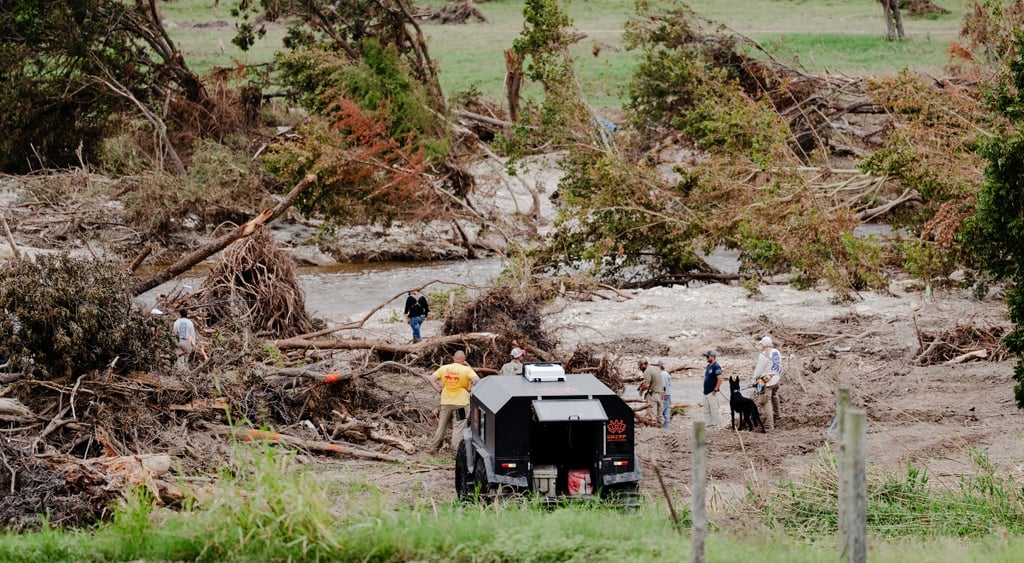
For example, when catastrophic floods in Texas killed over 130 people in June and at least some grieving people around the country turned to social media for answers, what they found was a disturbing amount of lies about rescue efforts, users downplaying the severity of the disaster, and conspiracy theories about weather manipulation.
“It was a disgusting, but now all too predictable, display of how social media companies exploit deadly disasters for profit and a few extra million clicks,” said CCDH.






Similarly, when Hurricanes Helene and Milton claimed hundreds of lives in the fall of 2024, baseless claims that hurricanes were “geo-engineering weapons” spread unchecked on social media.
According to the analysts (the full report can be found here), the irresponsible inability of social media giants to act is disrupting disaster response and putting lives at risk.
“As climate disasters become increasingly severe and frequent, we must confront the reality that tech giants are active participants in the spread of falsehoods that endanger our communities and the planet,” said CCDH’s chief executive, Imran Ahmed.
The numbers are indeed alarming. CCDH found that false or misleading claims about extreme weather were viewed 221 million times across all platforms. Meanwhile, community notes or similar fact checks are almost entirely absent on these viral but false posts.
Alex Jones’ false claims about the LA wildfires amassed 408 million views on X – more than the combined views of posts from 10 major news outlets and 10 key emergency agencies.
On X, 88% of misleading extreme weather posts were from verified accounts. The platform enables paid subscriptions for five of these accounts – which combined have 14 million followers, CCDH said.
On YouTube, 73% of posts were from verified accounts. YouTube even displayed ads next to 29% of misleading extreme weather videos.
On Facebook and Instagram, 64% of posts were from verified accounts, and Meta is sharing ad revenue with three content creators pushing misleading claims. This enables them to share in Meta’s revenue from ads near their posts.




Stunningly, so-called “superspreaders” of false claims and conspiracies online, like Alex Jones, get more views than official information during disasters like the LA wildfires.
Alex Jones’ false claims about the LA wildfires amassed 408 million views on X – more than the combined views of posts from 10 major news outlets and 10 key emergency agencies, analysts said.
Quite obviously, Jones is a real person. Just so it happens that last year, a study found that supersharers precisely like Jones are mostly responsible for spreading fake news on social media.