Strava, selfies, and surveillance: while you brag about your fitness, creeps track you
Welcome to the age of total voluntary surveillance.
By Cybernews

 Follow us
Welcome to the age of total voluntary surveillance.
“Strava or it didn’t happen” is more of a reality than a joke, really.
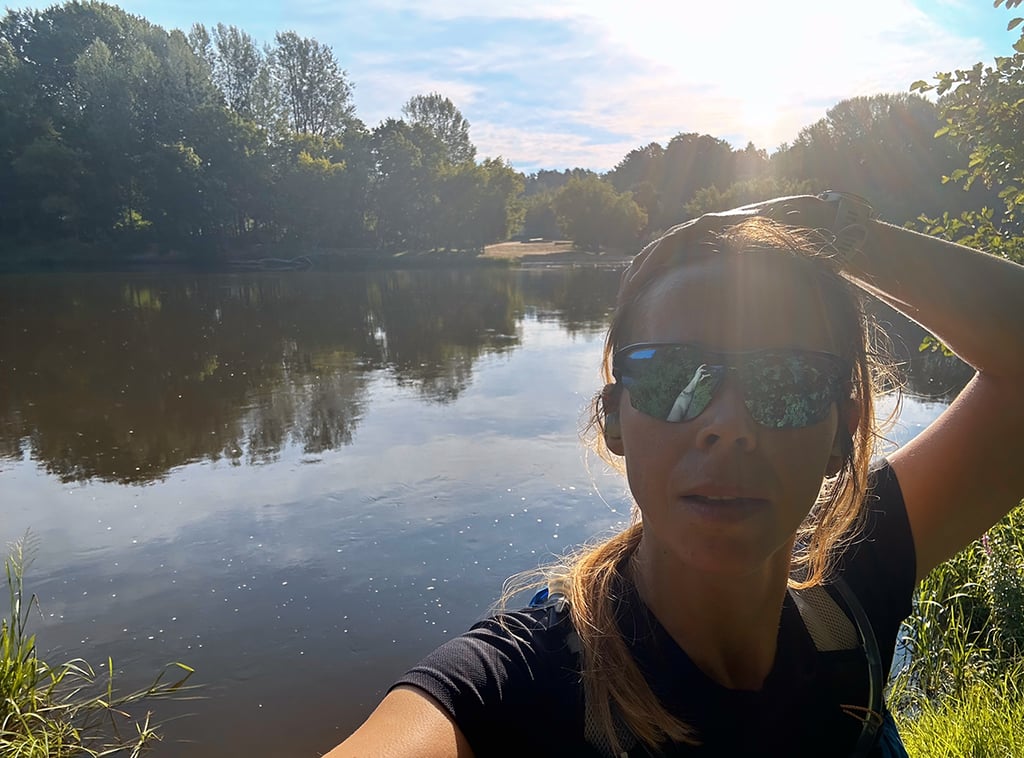
I went for a long trail run in the forest this Sunday, doing two loops around the fast-flowing river. As you can expect after a rainy month, the trail was damp, and tall grass grew around it. Thinking I should check myself for ticks after the run, I was lucky enough to stumble upon a more magnificent creature – a grass snake as thick as my fist, slowly slithering into the river.
That’s not a common sighting here, so naturally, I stopped my workout to take a picture of it. But it was faster than I was, and so I had to resume my run without getting the snap. I resumed in real life, but not on my watch, which I realised only about one kilometre later.


Do you often forget to record periods of your workout? How does it make you feel?
If you record your workouts not only for your personal record but also to share on your social media feed, be very mindful about what information you are sharing and who you are sharing that information with.
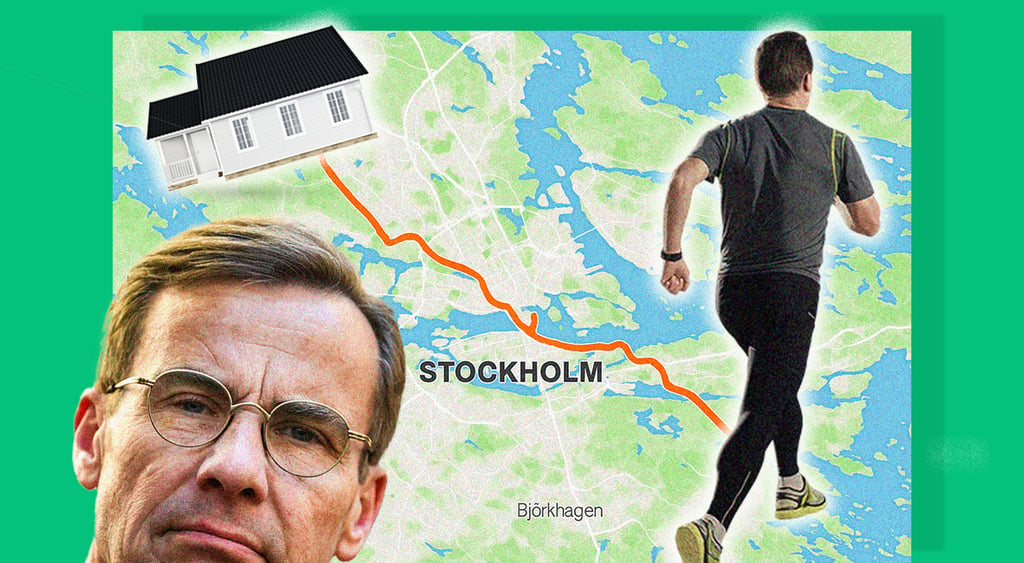
Swedish Prime Minister Ulf Kristersson’s secret service bodyguards have been sharing their cycling and running routes for several years on Strava, a fitness-focused social media platform. The Dagens Nyheter newspaper tracked over 1,400 training sessions – all public data – that revealed Kristersson’s whereabouts, including hotels and his private addresses.
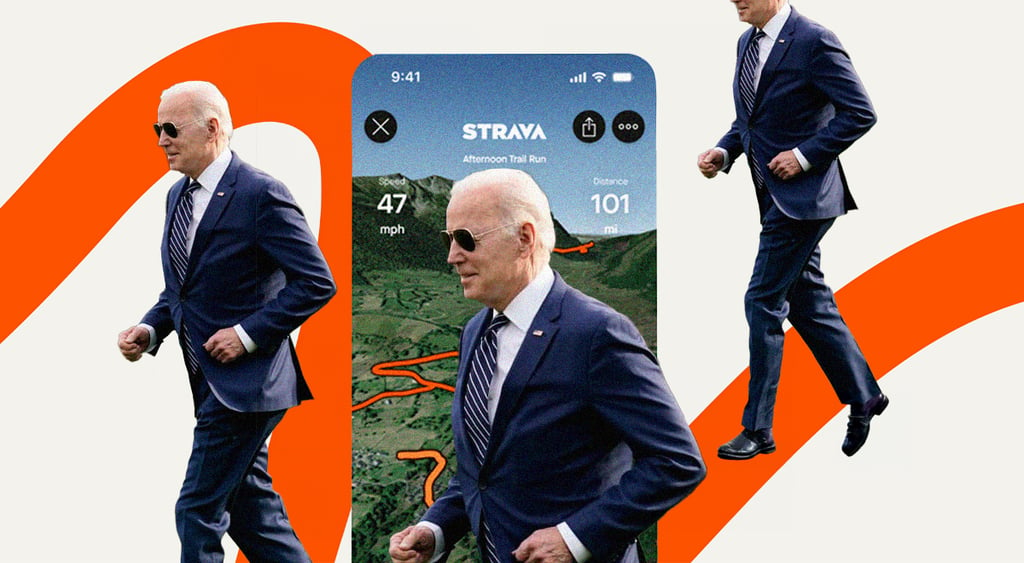
Unfortunately, this isn’t outrageous news or even news at all, as we’ve seen similar reports about the exposed locations of Joe Biden and Donald Trump.
This isn’t some sort of Strava bug. It’s our exhibitionist nature and indifference that endanger us.
Even if you don’t consider yourself a high-profile target and you aren’t from the secret service, keeping your movements private is always a good idea.



Here's how stalkers can use your workout data to track you
One guy I follow always goes to the gym during lunchtime. Given that he works from home nine to five, I know he lives nearby. And coupled with his feed on social media, as he loves taking pictures from his balcony, I know where he lives. He also shares his little runs on Strava, and I can see whenever he’s out of town. Sounds familiar?
A couple I know always goes on a run together. The route quite often starts right at their house's stairway. Their Strava also tells me when they are out of town, and which hotel they are staying at. They are sharing that information not only with me – it’s always made public, meaning everyone’s invited to snoop around.
Who could use such information? Thieves, stalkers, angry exes, and random people snooping around. Remember that it’s not only their Strava feed they’ve got – it’s incredibly easy to link that account to your other social media accounts, and probably paint quite a vivid picture of how and with whom you are spending your days.
Don’t rob yourself of privacy. I still enjoy occasionally sharing my workouts with followers (not publicly). On Strava, you can set the default sharing settings to “only me.” This means that every workout you do will show up on your Strava feed, but no one will be able to see it.
You can still opt in to share those posts with a broader audience – all you have to do is open the workout and share that particular workout with your followers or publicly. Other workouts will remain private and only visible to you. And if you’re walking, cycling, or running, remember to use the “Hide the start” of your workout feature.
I hide as much as 800 metres of my starting and finishing point, so I can still share a useful map with route tips with my followers without disclosing my private addresses. You can also just protect one address in particular or hide maps of your workouts altogether.
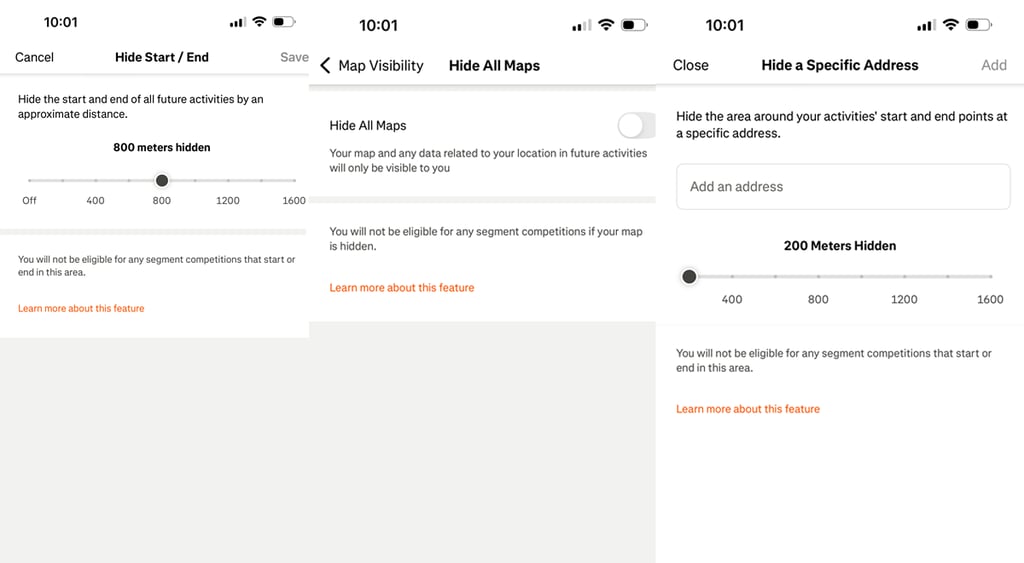
How to protect yourself on Strava:
- Set your default sharing settings to “only me” to make all your workouts private by default. You will still be able to choose to share individual activities with your followers.
- Use the “Hide Start/END” feature to conceal the beginning and end of your workout routes to protect your private addresses like home and frequently visited locations.
- You can opt in to protect only specific addresses or hide your maps altogether.
FAQ about Strava's privacy
How to check if my Strava profile is private?
Head to your profile and click on the settings icon in the upper right corner. Choose “Privacy Controls” from the menu, where you can check and choose who can see your profile and activities, and who’s allowed to mention and message you. I strongly recommend not setting any of these options to public.
Can I check if someone viewed my Strava profile?
No, Strava doesn’t have that option. To avoid unwanted snooping, set your profile privacy to followers only.
Does Strava show my location?
Yes, Strava shows your location, and it can be visible to others. If you are active outdoors, make sure you hide the start and end of your walking, running, or cycling activities to protect your private and frequently visited addresses.
Does Strava show the location of my gym?
For static workouts such as the ones in the gym, the location of you workout will not show up on the map. However, a stalker can figure out where it is by monitoring your patterns. For example, if you always workout during lunch and tend to post your workout videos or photos online elsewhere, it is incredibly easy to figure out your whereabouts.