China is blurring the lines between civilian AI and military power
China is turning everyday AI like voice apps, drones, and satellites into military tools, blurring the line between civilian tech and the People Liberation Army (PLA).
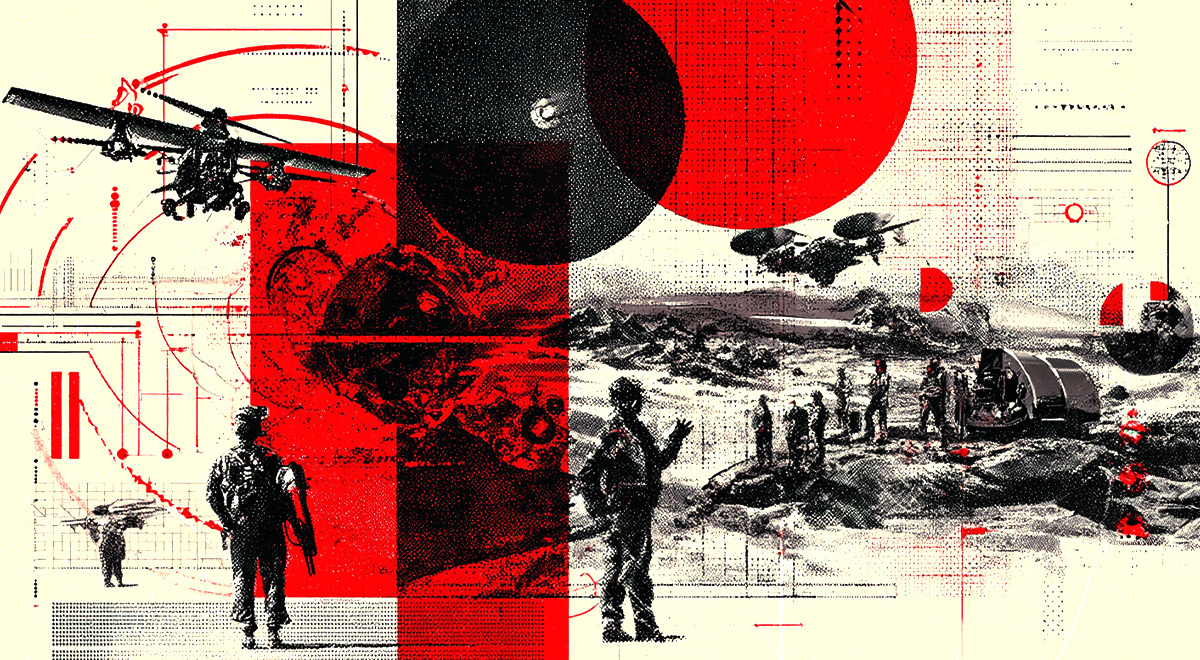
Image by Cybernews

 Follow us
China is turning everyday AI like voice apps, drones, and satellites into military tools, blurring the line between civilian tech and the People Liberation Army (PLA).
Imagine if a voice recognition app that was originally intended for customer service, was also being used to intercept radio chatter on the battlefield.
Or, if a drone being used to record a wedding celebration overhead, was being trained for reconnaissance aircraft missions.
How about satellite software initially designed for crop surveillance, now lending itself to the military being able to place the x on the map for missile targets.
Sound far-fetched? Well this is the very essence of how China is fusing civilian AI with use-cases for their towering military ambitions.



The data trail
Compelling evidence comes from a September report from Washington DC’s Center for Security and Emerging Technology (CSET).
Three leading researchers analyzed the PLA’s purchasing records and AI contracts for 2023 and 2024. It was found that over 1500 organizations, from state defense companies, to universities, to startups won at least one contract with the PLA.
Even the most everyday AI usage apps from data and image processing firms can be used for swarm coordination, and drone control.
And though many of these startups will openly advertise their “dual-use” in operations, the average civilian most likely wouldn’t give it a second thought, as they continue to sound-off in their call-center job, or flying a hobby drone.
The old guard meets the new crowd
For many decades now, state-owned enterprises like CETC, CASC, and NORINCO have been the dominant suppliers for the Chinese military, crafting radars, missile systems and drones.
Their pedigree for reliable equipment, coupled with the absorbing of AI into their infrastructure means that this integration isn't a “make-or break” roll-out.
Many of the new wave of startups were founded after 2010, riding the wave of China’s consumer tech boom.
The pick of these include iFlytek (voice + translation AI), PIESAT (satellite mapping AI), and JOUAV (drones).
What starts out as consumer tech, or academic research in the beginning often becomes tapped for military use later down the line.
That’s not to say that some companies don’t start out intended for military deployment.
For example, Sichuan Tengden was founded in 2016 by ex-defense engineers, and ventured quickly into military grade drones – a relatively new entrant with strong defence leanings.
Blurred lines
With such fuzzy boundaries at play, it can be difficult to know what AI applications feed directly into the hands of the PLA.
The CSET report warns that due to the fact most of these Chinese companies and startups not being sanctioned, make it still possible for them to access western chips, software and research ties.
Specific case examples like Tsinghua and Shanghai Jiao Tong universities have global academic partnerships, and so a potential leakage into the Chinese military is on the cards.
The dilemma is portrayed as being that the US could stifle their own innovation by clamping down on these firms, and if they stay too lax, then it leaves them open to Beijing hoovering up AI developments.